Common Law Marriage Laws in Kansas: What You Must Know Today
Are you wondering if living together in Kansas means you’re legally married? Understanding common law marriage laws in Kansas is crucial because it affects your rights, responsibilities, and even your future plans.
Whether you’re currently in a relationship or just curious, knowing how the law views your partnership can protect you and your loved ones. Keep reading to discover the key facts about common law marriage in Kansas and what it means for you.
Criteria For Common Law Marriage
Understanding the criteria for common law marriage in Kansas is important. The state has specific rules that couples must meet to be legally recognized as married without a formal ceremony. These rules focus on the relationship’s nature and how the couple behaves over time.
Each element helps show that the couple intends to be married and live as a married couple. Meeting these criteria means the law treats the relationship like a traditional marriage, with the same rights and responsibilities.
Cohabitation Requirements
Cohabitation means living together as a couple. Kansas requires couples to share a home for a certain time. Simply living in the same place is not enough. The couple must act like partners in daily life, sharing expenses and household duties.
Mutual Agreement
Both partners must agree they are married. This agreement is a key part of common law marriage. The couple must intend to be husband and wife, not just roommates or friends. This intention can be shown through words or actions.
Public Representation As A Couple
The couple must present themselves to others as married. This means telling friends, family, or employers they are husband and wife. Using the same last name or filing joint taxes can show this public recognition. It confirms the couple sees themselves as married in the community.

Credit: www.gatesshields.com
Legal Recognition In Kansas
Legal recognition of common law marriage in Kansas has a unique history. The state once allowed couples to form a marriage without a formal ceremony or license. This type of marriage depended on the couple living together and presenting themselves as married.
Today, the rules have changed. Understanding current laws helps clarify how common law marriages work in Kansas now.
Current Status Of Common Law Marriages
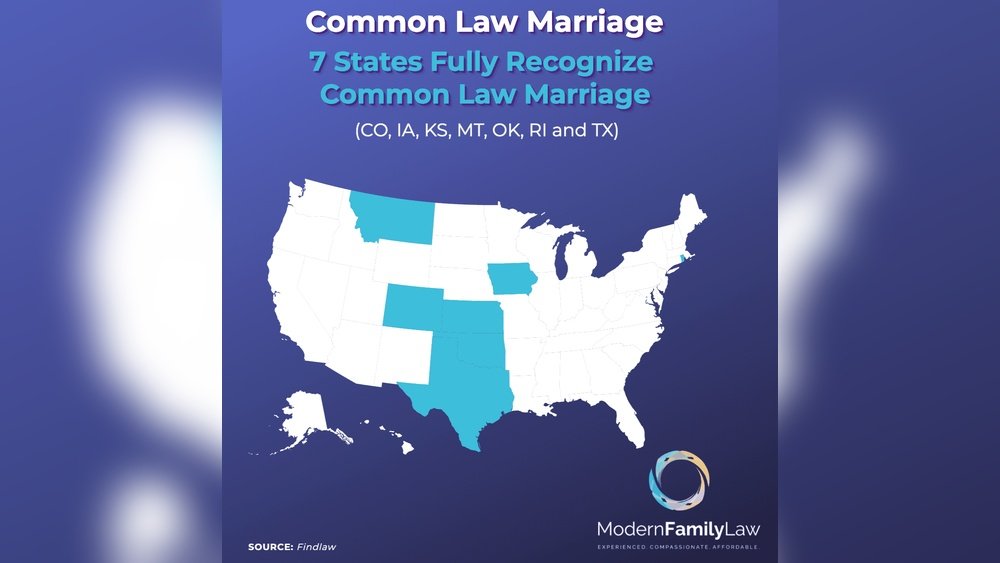
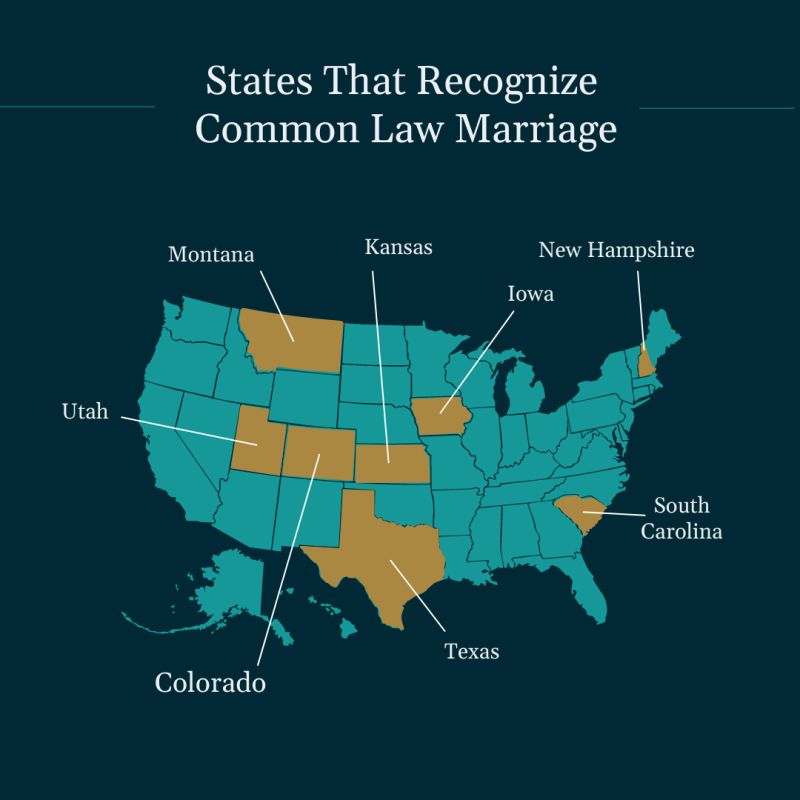
Kansas no longer allows new common law marriages. The state ended this practice on July 1, 2005. Couples who started a common law marriage before this date may still have their union recognized. This means such relationships can be treated like traditional marriages in legal matters.
For couples who began living together after this date, Kansas does not recognize common law marriages. They must obtain a marriage license and have a ceremony to be legally married.
Impact Of State Court Decisions
Kansas courts have played a key role in shaping common law marriage rules. Courts often examine evidence to confirm if a couple had a valid common law marriage before 2005. Proof may include joint tax returns, shared bank accounts, or how the couple referred to each other in public.
These decisions affect property rights, inheritance, and divorce cases. Courts ensure fairness for couples who lived as spouses without formal marriage papers. Still, each case depends on its specific facts and evidence.
Rights And Responsibilities
Rights and responsibilities in a common law marriage in Kansas carry significant weight. Couples gain legal recognition similar to formally married couples. This recognition affects many aspects of daily life and legal matters.
Understanding these rights helps partners protect themselves. It also clarifies their duties toward each other.
Property And Financial Obligations
In Kansas, common law spouses share property acquired during the relationship. This includes homes, cars, and other valuables. Both partners have equal rights to jointly owned property.
Debts accumulated together also become shared responsibilities. Each partner may be responsible for loans or bills taken on during the relationship. This financial bond holds even without a formal marriage certificate.
Division of property follows the same rules as formal marriages. Courts aim for a fair split based on each partner’s contribution. Protecting your finances means understanding these shared obligations.
Parental And Custodial Rights
Common law spouses have the same parental rights as married couples. Both parents have legal responsibilities for their children. This includes providing care, education, and support.
Custody decisions focus on the child’s best interests. Both parents can seek custody or visitation rights regardless of marriage status. Courts view common law partners as equal parents.
Establishing paternity or maternity is important for legal protection. It ensures that both parents have a voice in the child’s life and decisions. Knowing these rights helps families stay secure and supported.

Credit: barndslaw.com
Ending A Common Law Marriage
Ending a common law marriage in Kansas requires legal steps similar to a formal divorce. The state treats common law marriages like regular marriages once they are recognized. This means couples must go through legal processes to end their relationship officially.
The process ensures fairness in dividing property and deciding support. Both parties need to understand their rights and obligations during dissolution. The law protects each person’s interests in the split.
Legal Procedures For Dissolution
Kansas requires filing a petition in court to end a common law marriage. This petition starts the legal divorce process. Both parties must provide proof of the marriage and agree on the separation terms or go to court for decisions.
The court reviews evidence and hears both sides before making rulings. A judge issues a final decree that legally ends the marriage. Without this decree, the marriage remains valid under Kansas law.
Division Of Assets And Support
Property and debts acquired during the marriage must be divided fairly. Kansas follows equitable distribution rules, meaning a fair, not always equal, split. The court considers each person’s contributions and needs.
Spousal support or alimony may be ordered based on financial situations. Child support and custody are also determined if children are involved. The goal is to protect both parties’ rights after the marriage ends.
Credit: www.petrellilaw.com
Frequently Asked Questions
What Defines A Common Law Marriage In Kansas?
A common law marriage in Kansas means a couple lives together as married without a license. They must agree to be married and act like a married couple. This includes using the same last name and filing taxes together.
Does Kansas Recognize Common Law Marriages From Other States?
Yes, Kansas recognizes common law marriages legally established in other states. The couple must meet that state’s rules to be valid in Kansas. Kansas does not allow new common law marriages.
How Can Couples Prove A Common Law Marriage In Kansas?
Couples prove common law marriage by showing evidence of their relationship. This includes joint bank accounts, shared property, or tax returns filed together. Witness testimony and affidavits may also help.
Can Common Law Couples In Kansas Get A Divorce?
Yes, common law couples in Kansas must get a legal divorce to end the marriage. The court treats them the same as formally married couples. Property and support issues are handled through divorce proceedings.
Are Common Law Spouses Entitled To Inheritance In Kansas?
Common law spouses in Kansas have rights to inherit if the marriage is valid. Without a will, the surviving spouse may inherit under state law. It is best to have a will to avoid confusion.
How Long Must A Couple Live Together For Common Law Marriage?
Kansas does not set a specific time for living together to form common law marriage. The key is the couple’s intent to be married and how they behave. Time alone does not create a marriage.
Conclusion
Kansas recognizes common law marriage under specific rules. Couples must live together and agree they are married. Proving this status can be tricky without official documents. Knowing these laws helps protect your rights and interests. Always seek advice if unsure about your situation.
Understanding common law marriage keeps you informed and prepared.

Ismail Hossain is the founder of Law Advised. He is an Divorce, Separation, marriage lawyer. Follow him.