Window Tint Laws in Kentucky: Essential Rules You Must Know
Are you thinking about tinting the windows on your car in Kentucky? Before you get started, it’s important to know the rules you need to follow.
Window tint laws can be confusing, but understanding them will help you avoid fines and keep your vehicle safe and legal. You’ll find clear and simple explanations of Kentucky’s window tint regulations. By the end, you’ll know exactly what’s allowed—and what’s not—so you can make the best choice for your car and your peace of mind.
Keep reading to protect yourself and your ride.
Kentucky Tint Darkness Limits
Kentucky has specific rules about how dark window tint can be on vehicles. These rules help keep drivers and passengers safe. They also allow police to see inside cars when needed. Understanding these limits helps you avoid fines or legal trouble.
The tint darkness is measured by Visible Light Transmission (VLT). VLT shows how much light passes through the window film. A lower VLT means darker tint. Kentucky law sets different VLT limits for each window on your vehicle.
Kentucky Front Side Window Tint Limits
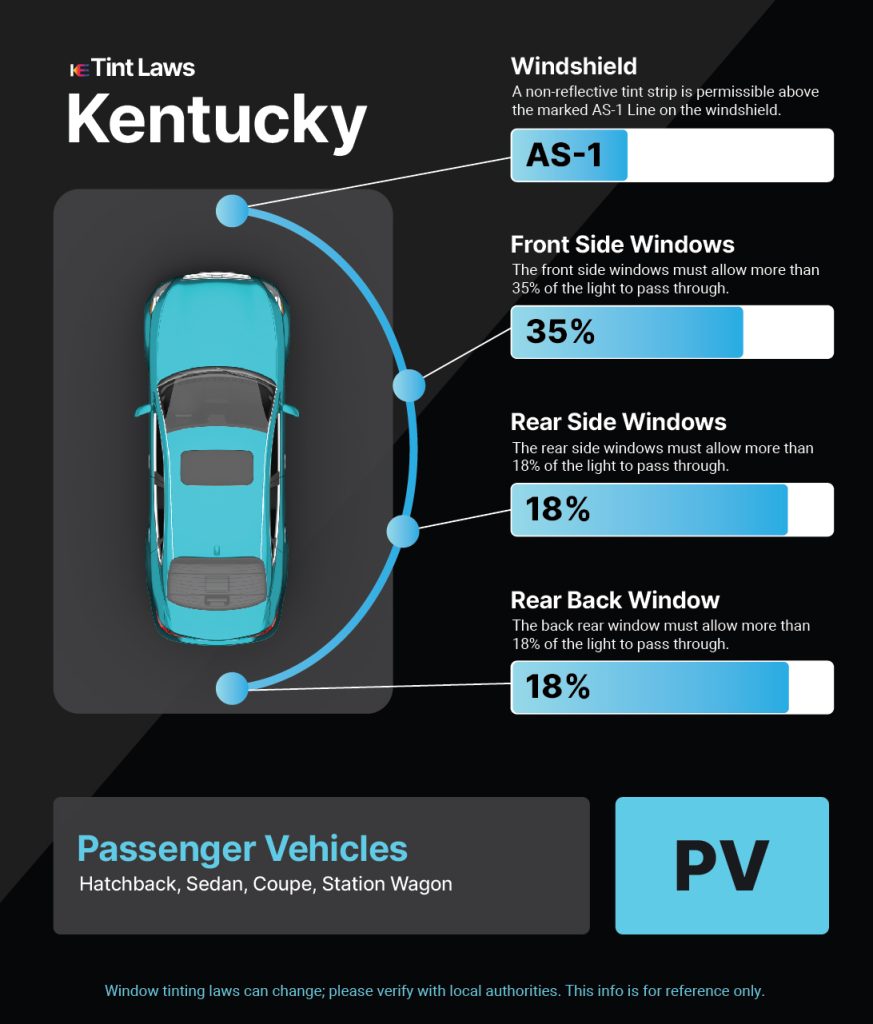
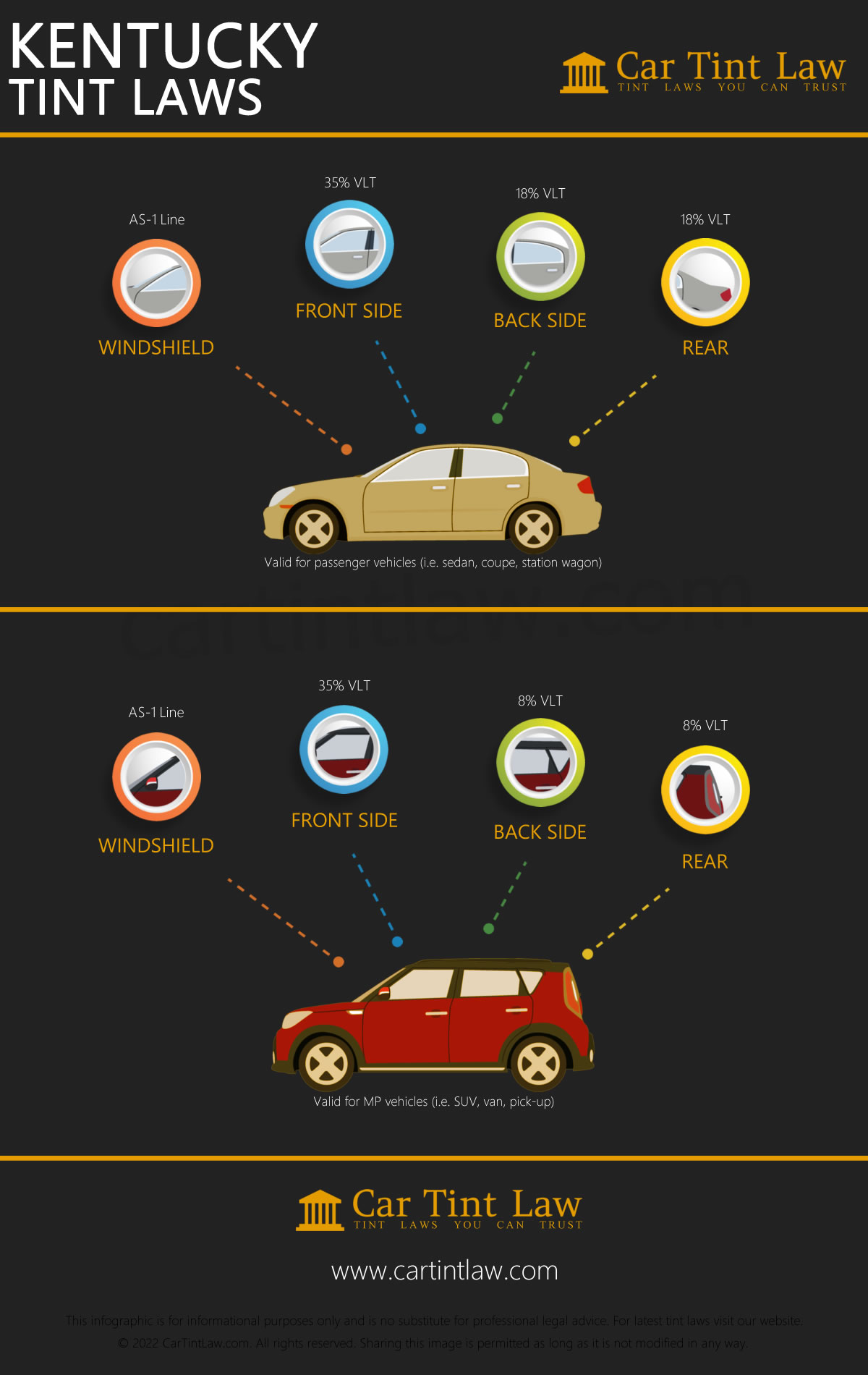
The front side windows must allow at least 23% of light in. This means the tint can block up to 77% of light. Darker tints on front side windows are not allowed. This rule helps police see inside the car clearly.
Kentucky Back Side And Rear Window Tint Limits
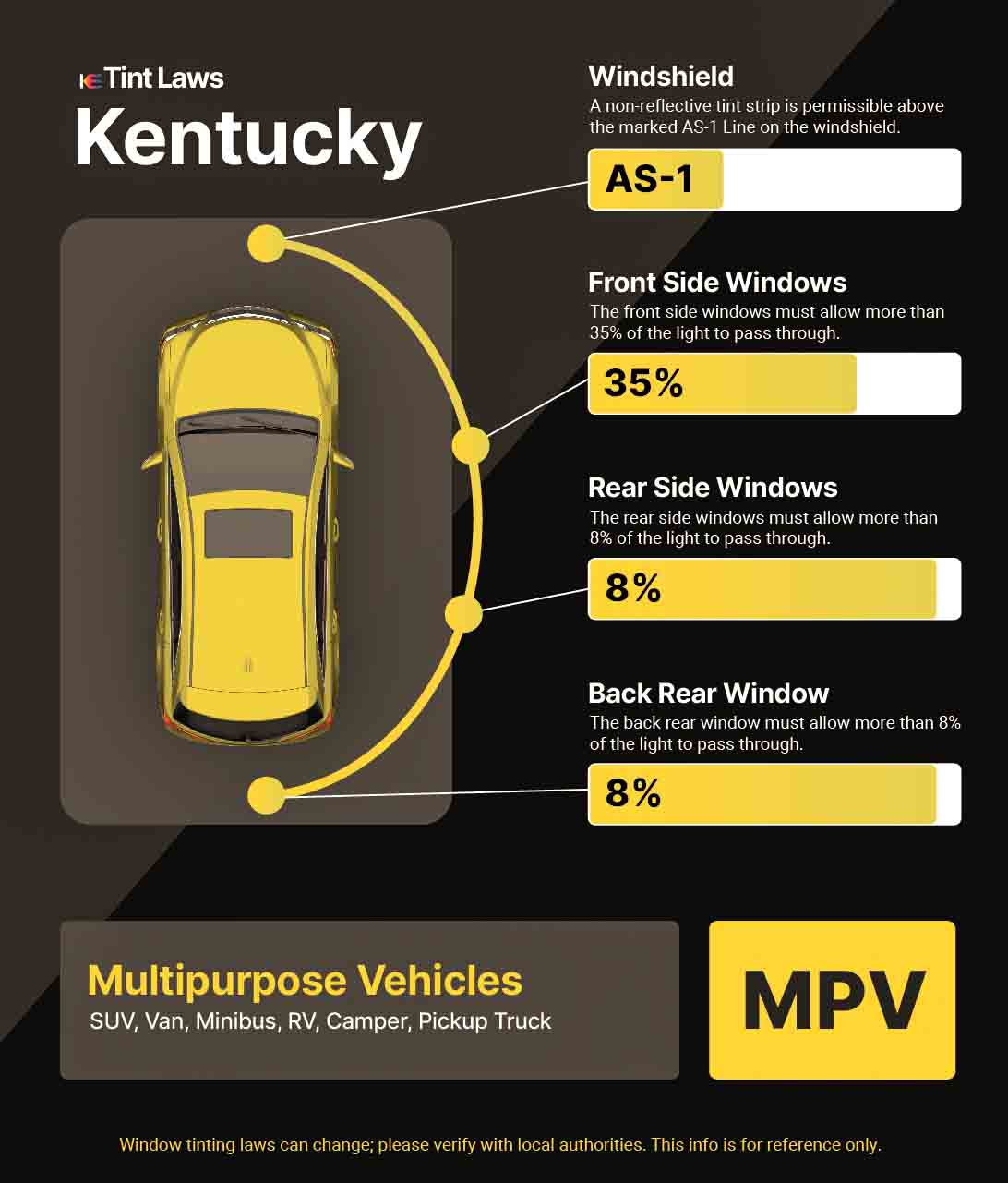
The back side and rear windows can have darker tints. These windows must allow at least 18% of light in. Tints blocking more than 82% of light are illegal on these windows. This limit gives drivers privacy but keeps safety in mind.
Exceptions For Medical Conditions
Some drivers may get exceptions for medical reasons. They must have a doctor’s note explaining the need for darker tint. The note must be approved by the state. This allows safer travel for people with special needs.
Credit: cricksshadeshop.com
Permitted Tint Types And Materials
Kentucky has specific rules about the types of window tint allowed on vehicles. These rules help keep drivers safe and ensure clear visibility. Understanding the permitted tint types and materials is important before applying any film to your car windows.
Only certain tint materials meet Kentucky’s legal standards. These materials must block some light but not too much. The goal is to reduce glare and heat while keeping the driver’s view clear. The law sets limits on how dark and reflective tint can be.
Types Of Window Tint Allowed
The law permits dyed and metallic tints, but each has limits. Dyed tints add color and reduce sunlight without reflecting much light. Metallic tints contain tiny metal particles that reflect heat and sunlight. Both types must meet Kentucky’s light transmission rules.
Materials That Are Not Allowed
Reflective or mirrored tints are generally banned. These tints reflect too much light and can distract other drivers. Darker films like black or charcoal that reduce visibility below legal limits are illegal. Non-transparent films that block view inside the vehicle are also prohibited.
Medical Exemptions For Tint Materials
Kentucky allows darker tints if a medical condition requires it. Drivers must get a certificate from a doctor and keep it in the car. This exception applies only to specific materials and window areas. Proper documentation is necessary to avoid fines or penalties.
Exemptions And Special Conditions
Kentucky has specific rules about window tinting, but some exceptions apply. These exceptions allow certain people or vehicles to use darker tints legally. Understanding these exemptions helps avoid fines and ensures safety.
Medical Exemptions
People with certain medical conditions may qualify for darker window tints. Doctors must provide written proof of the condition. This helps protect their skin or eyes from harmful sunlight.
Official And Emergency Vehicles
Vehicles used by police, fire, and other emergency workers can have darker tint. This allows them to stay protected and perform their duties safely. These vehicles follow different rules than regular cars.
Manufacturers’ Tint Standards
Some cars come with factory-installed tinted windows. These tints meet Kentucky’s safety rules. Owners do not need to change or remove these factory tints.
Religious And Privacy Reasons
In rare cases, tinting may be allowed for religious or privacy reasons. This requires special permission from state authorities. The tint must not reduce driver visibility or safety.
Credit: kepler-dealer.com
Penalties For Violating Tint Laws
Violating window tint laws in Kentucky can lead to serious penalties. These laws exist to ensure driver safety and clear visibility for law enforcement. Ignoring them may cause legal trouble and financial costs.
Understanding the penalties helps drivers avoid fines and other consequences. It also highlights the importance of following state regulations closely.
Fines For Illegal Window Tint
Kentucky law sets specific limits on window tint darkness. Breaking these rules results in fines. The amount varies but usually starts at around $25. Repeat offenses can lead to higher fines.
Vehicle Inspection And Repair Orders
Officers may require a vehicle inspection for illegal tint. If the tint does not meet standards, drivers get a repair order. The driver must remove or adjust the tint within a set time. Failure to comply may cause further penalties.
Impact On Vehicle Registration
Some violations can affect vehicle registration. The state may delay or refuse to renew registration until tint issues are fixed. This adds extra hassle and expense for the vehicle owner.
Possible Court Appearance
Serious or repeated violations might lead to a court hearing. The judge can impose fines or other penalties. Attending court requires time and may increase legal costs.
Tips For Choosing Legal Window Tint
Choosing the right window tint in Kentucky requires knowing the state’s laws. Tint rules protect drivers and law enforcement by keeping visibility clear. Picking legal tint avoids fines and trouble.
Some tints block too much light, which is against Kentucky law. The right tint lets enough light through while reducing glare and heat. Understanding key points helps you make a smart choice.
Check Kentucky’s Tint Darkness Limits
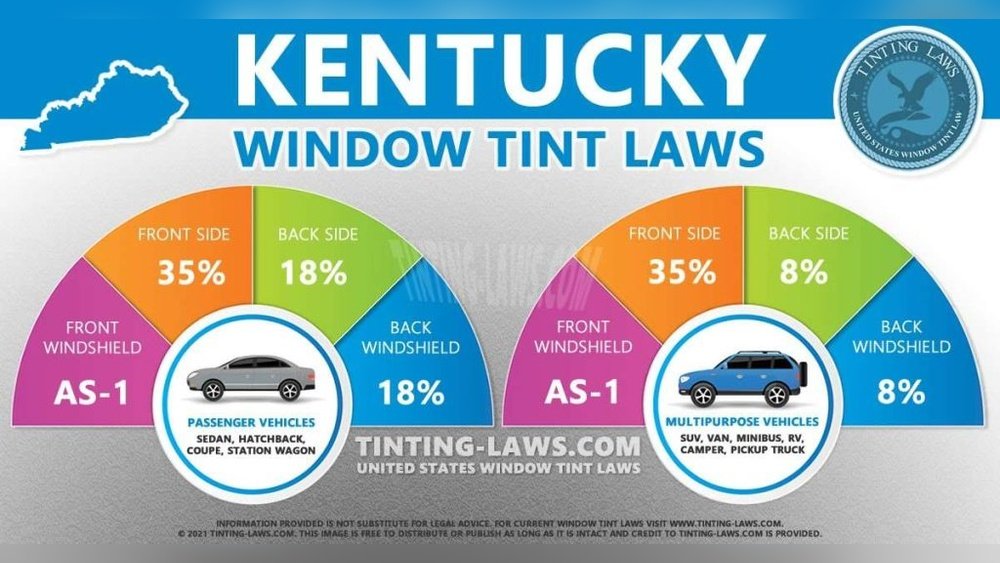
Kentucky law sets limits on how dark tint can be. Front side windows must allow at least 35% of light in. Back side and rear windows have no limits if the vehicle has side mirrors. Choose tint that meets these rules to stay legal.
Know Reflectivity Rules
Tints cannot be too reflective or shiny. Kentucky bans mirrors or metallic finishes on windows. Pick a non-reflective film to avoid breaking these rules. This keeps your car safe and compliant.
Consider Medical Exemptions
Some drivers qualify for medical exemptions allowing darker tint. These require official paperwork from a doctor. Check if you qualify and carry documents while driving. This prevents fines and stops legal issues.
Choose Quality Tint Films
Buy tint from trusted brands with clear labels. Good films last longer and look better. Cheap tints may peel, bubble, or fade fast. Quality films also help avoid legal problems by matching state rules.
Consult A Professional Installer
Experts know local tint laws and proper application. They fit tint smoothly and check legal limits. Professional installation reduces mistakes and ensures a clean look. This saves time and money later.
Credit: www.cartintlaw.com
Frequently Asked Questions
What Are The Legal Tint Limits For Car Windows In Kentucky?
Kentucky law allows 35% light transmission on front side windows. Rear and back side windows can have any darkness. Windshield tinting is only allowed on the top 5 inches.
Can I Use Reflective Or Mirrored Window Tint In Kentucky?
Reflective or mirrored tints are not allowed on front side windows. Rear and back windows have no restrictions on reflectiveness. Keep this rule to avoid fines.
Do Medical Exemptions Allow Darker Window Tint In Kentucky?
Yes, Kentucky permits darker tints with a medical exemption certificate. The driver must carry the medical certificate while driving. This helps those with light sensitivity.
What Penalties Exist For Breaking Kentucky Window Tint Laws?
Violating tint laws can lead to fines up to $50 or more. Police may require removal of illegal tint. Repeat offenses could result in higher fines or penalties.
Conclusion
Kentucky’s window tint laws protect drivers and passengers. Knowing the rules helps you avoid fines and trouble. Always check the allowed tint levels before tinting your windows. Following these laws keeps your vehicle safe and legal on the road. Stay informed and drive with confidence.
Simple steps make a big difference.

Ismail Hossain is the founder of Law Advised. He is an Divorce, Separation, marriage lawyer. Follow him.