Labor Laws in Kentucky for Salary Employees: Essential Guide 2026
Are you a salaried employee working in Kentucky? Understanding your rights and protections under the state’s labor laws is crucial to making sure you’re treated fairly at work.
From overtime rules to breaks and wages, knowing what the law says can help you avoid surprises and stand up for yourself when needed. This article will guide you through the key labor laws in Kentucky that affect salaried workers like you.
Keep reading to learn exactly what you need to know to protect your job and your paycheck.
Credit: workopportunities.net
Kentucky Salary Employee Classification
Kentucky law defines salary employees and sets rules for their pay and work hours. These laws help protect workers’ rights and ensure fair treatment. Understanding these rules is important for both employers and employees in the state.
Exempt Vs Nonexempt Employees
In Kentucky, salary employees fall into two groups: exempt and nonexempt. Exempt employees do not receive overtime pay for extra hours worked. Nonexempt employees must be paid overtime when they work more than 40 hours a week. The classification affects how employers pay their workers and follow labor laws.
Exempt status depends on the type of work and salary level. Many managers, professionals, and certain administrative workers qualify as exempt. Nonexempt workers usually have hourly jobs or tasks that do not meet the exempt criteria.
Criteria For Salary Status
Kentucky follows federal rules to decide salary status. Employees must earn a minimum salary to be exempt. The salary must be at least $684 per week. Job duties also matter. The work must mainly involve executive, administrative, or professional tasks. Simple or manual tasks usually do not qualify.
Paying attention to these rules helps employers avoid legal problems. Employees can understand their rights better. Clear classification ensures fair pay and compliance with Kentucky labor laws.
Minimum Wage And Overtime Rules
Understanding minimum wage and overtime rules is important for salaried employees in Kentucky. These rules affect how much you get paid and when you qualify for extra pay. Knowing these basics can help you spot errors in your paycheck. It also helps you know your rights at work.
Current Minimum Wage Rates
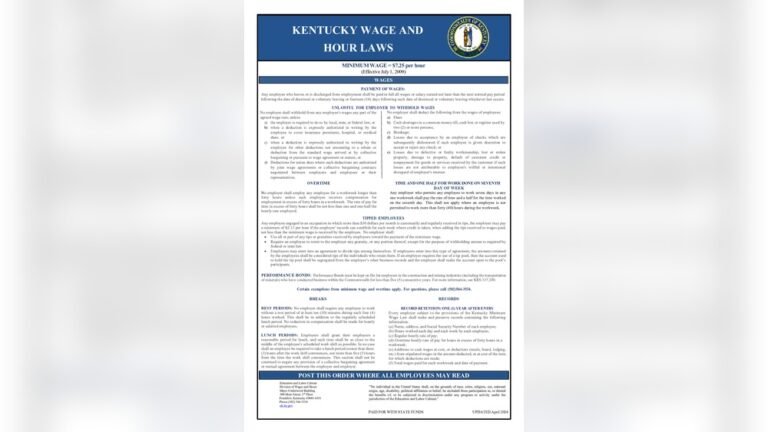
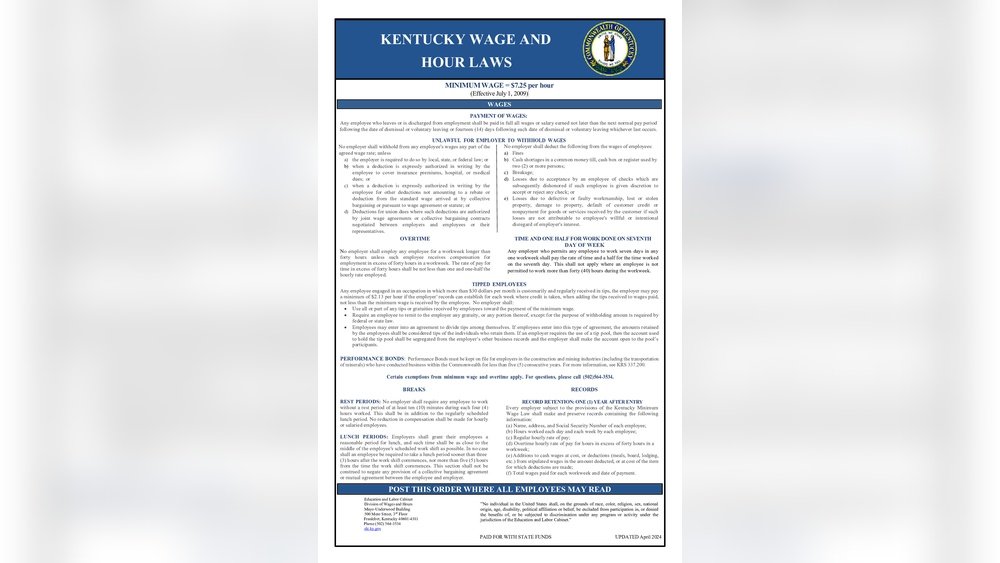
Kentucky follows the federal minimum wage rate. The rate is $7.25 per hour. This rate has stayed the same for many years. Some jobs may pay more depending on the employer. Salaried employees often earn more than this minimum. But hourly workers must get at least this amount.
Employers cannot pay less than the minimum wage. If they do, workers can report it. This rule protects workers from unfair pay. It ensures everyone earns a fair base salary.
Overtime Eligibility And Pay
Salaried workers may qualify for overtime pay. Overtime pay is 1.5 times the regular rate. It applies when work hours go beyond 40 per week. Some employees are exempt and do not get overtime.
The Fair Labor Standards Act sets overtime rules. Many salaried employees fall under exempt status. This means they do not get extra pay for extra hours. But non-exempt salaried workers must get overtime pay.
Employers must track hours carefully. They must pay overtime to eligible employees. This rule helps protect workers from excessive work without fair pay. Knowing your status helps you understand your pay better.
Working Hours And Breaks
Working hours and breaks are important parts of labor laws in Kentucky. They protect employees’ health and well-being. Clear rules help employers and workers know what to expect. This section explains what salary employees should expect about work hours and breaks.
Standard Workweek Expectations
In Kentucky, the standard workweek usually means 40 hours. Salary employees often work a set schedule. Many work Monday through Friday. Some jobs may require more hours. Overtime pay rules may not always apply to salaried workers. Employers should clearly state work hours in contracts. This helps avoid confusion about work time.
Meal And Rest Break Requirements
Kentucky law does not require breaks or meal periods for salary employees. Many employers still offer breaks to keep workers healthy. A common practice is a 30-minute meal break during long shifts. Short rest breaks of 10 to 15 minutes are also common. These breaks are usually paid time. Good break policies can improve worker focus and satisfaction.
Employee Rights And Employer Obligations
Employee rights and employer obligations form the foundation of fair work conditions in Kentucky. Both sides have clear duties to ensure a safe, respectful workplace. Employees deserve respect and fair treatment. Employers must follow laws that protect these rights. This balance helps maintain trust and productivity.
Anti-discrimination Protections
Kentucky law protects employees from discrimination based on race, gender, age, and disability. Employers cannot treat workers unfairly due to these factors. This applies to hiring, pay, promotions, and firing. Workers must feel safe and valued at work. Reporting discrimination is a right, with legal protections for whistleblowers. Employers must act quickly to stop discrimination.
Payroll And Recordkeeping Standards
Employers must pay salary employees on time and in full. Kentucky requires clear records of hours worked and wages paid. These records help resolve pay disputes. Workers have the right to review their pay records. Employers must keep records for a specific time period. Accurate payroll and recordkeeping prevent errors and ensure fairness. This transparency builds trust between employer and employee.
Recent Changes And Updates For 2026
The labor laws in Kentucky have seen important updates for 2026. These changes affect salary employees in many ways. Employers and workers must understand the new rules. This helps avoid confusion and ensures fair treatment.
The updates reflect the state’s effort to keep workplace laws current. They address pay, overtime, and work hours. Staying informed is crucial for salary employees to know their rights.
New Legislative Amendments
Kentucky passed new laws changing salary thresholds for overtime pay. The minimum salary for exempt employees increased. This means more workers qualify for overtime pay. Employers must adjust pay structures to comply.
There are also new rules about work hours and breaks. Some salary employees now have rights to rest periods. The law clarifies which jobs are exempt from these rules. Employers need to review job classifications carefully.
Impact On Salary Employees
Salary employees may see changes in their pay and work hours. Those earning less than the new threshold might get overtime pay. This can increase their total earnings for extra hours worked.
Some workers may have to track their hours more closely. The updates encourage fair pay for extra work. Salary employees should discuss changes with their employers to understand impacts.

Credit: www.laborlawcenter.com

Credit: www.postercompliance.com
Frequently Asked Questions
What Are The Working Hour Rules For Salaried Employees In Kentucky?
Salaried employees in Kentucky must follow both federal and state labor laws on working hours. Typically, they are exempt from overtime pay but must meet minimum salary levels. Employers should clearly state work expectations in contracts.
How Does Kentucky Law Define Exempt Salaried Employees?
Kentucky follows the Fair Labor Standards Act for exempt status. Exempt employees usually earn a fixed salary and perform executive, professional, or administrative duties. This status means no overtime pay is required.
Are Salary Deductions Allowed Under Kentucky Labor Laws?
Salary deductions in Kentucky are limited and must comply with federal guidelines. Employers can only deduct for specific reasons like taxes or employee-approved items. Illegal deductions can lead to penalties.
What Rights Do Salaried Employees Have For Breaks And Leave?
Kentucky does not require employers to provide breaks or lunch to salaried employees. Federal law also lacks break mandates but requires paid leave if promised in contracts. Employees should check their agreements for leave rights.
Conclusion
Kentucky’s labor laws protect salary employees in many ways. Knowing your rights helps you work with confidence. These laws cover pay, hours, and workplace fairness. Employers must follow rules to keep workers safe and treated fairly. Stay informed to avoid common mistakes at work.
Understanding these laws makes your job easier. Always ask questions if something feels wrong. Fair treatment is your right, not a privilege. Keep these basics in mind for a smoother work life.

Ismail Hossain is the founder of Law Advised. He is an Divorce, Separation, marriage lawyer. Follow him.