List Of Tips For Hiring A Private Investigator: Expert Secrets Revealed
Are you thinking about hiring a private investigator but don’t know where to start? Choosing the right professional can feel overwhelming and confusing.
You want someone trustworthy, skilled, and discreet—after all, your peace of mind depends on it. This list of tips will guide you step-by-step to make the best choice. Keep reading to learn how you can protect yourself, save time, and get the results you need without any stress.
Your search for the perfect private investigator begins here.

Credit: integrasintel.com
Qualities To Look For
Hiring a private investigator requires careful thought. Certain qualities matter most. These traits ensure you get accurate and reliable results. Knowing what to check helps you make a smart choice.
Experience And Credentials
Experience shows how well an investigator handles cases. More years often mean better skills. Credentials prove formal training and knowledge. They include certificates and past work records. Check these to trust their expertise.
Specialization Areas
Private investigators focus on different fields. Some work on fraud, others on missing persons. Choose one who matches your case type. Specialization means better understanding and faster results. It reduces errors and saves time.
Licensing Requirements
Licensing proves legal permission to work. It also shows they meet state rules. A licensed investigator follows laws and ethics. Always ask for a valid license before hiring. This protects you and ensures professionalism.

Credit: www.wikihow.com
Effective Interview Questions
Effective interview questions help you find the right private investigator. Asking clear questions reveals their skills and work style. This saves time and money. It also ensures you get reliable results. Focus on key areas like techniques, communication, and fees. These topics show how the investigator handles cases and clients.
Assessing Investigative Techniques
Ask about methods the investigator uses to gather information. Do they rely on surveillance, interviews, or technology? How do they handle evidence collection? Check if they follow legal rules during investigations. Inquire about their experience with cases similar to yours. This helps you understand their problem-solving skills.
Clarifying Communication Methods
Find out how often they update clients on progress. Do they prefer phone calls, emails, or meetings? Ask about response times for questions or concerns. Clear communication avoids misunderstandings and delays. Also, check if they provide written reports. Reports help you track the case details clearly.
Understanding Fees And Contracts
Request a detailed explanation of their fees and billing process. Are there extra charges for travel or special equipment? Ask if they require a contract and what it includes. Knowing payment terms upfront prevents surprises later. Confirm refund policies for unfinished or canceled work. This protects your investment and builds trust.
Red Flags To Avoid
Hiring a private investigator requires careful thought. Some warning signs show a bad choice. Spotting these red flags saves time and money. Avoiding them helps find a trustworthy expert.
Unrealistic Promises
Be cautious of investigators who promise quick results. No one can guarantee outcomes in complex cases. Claims of 100% success are often false. Reliable investigators explain limits and challenges clearly.
Lack Of Transparency
A good private investigator shares clear information. Hidden fees or vague answers raise suspicion. They should explain methods and costs upfront. Transparency builds trust and shows professionalism.
Poor Reviews Or References
Check past client reviews carefully. Negative feedback or no references is a warning. Honest investigators have positive testimonials and referrals. Poor reputation suggests low-quality work or dishonesty.
Maximizing Investigation Results
Getting the best results from a private investigator needs clear steps. Success depends on how you share facts, set goals, and protect secrets. These tips help you work well with your investigator.
Providing Clear Information
Give the investigator all facts you know. Share names, dates, places, and any proof you have. Clear details save time and avoid confusion. The more exact you are, the better the investigation.
Setting Realistic Expectations
Understand what the investigator can do. Some answers take time or may be hard to find. Know the limits of the case and tools used. Real goals help avoid disappointment and wasted effort.
Maintaining Confidentiality
Keep the case details private between you and the investigator. Sharing sensitive info can harm the case. Trust and silence protect the work and results. It keeps everyone safe and focused.

Credit: integrasintel.com
Frequently Asked Questions
How Do I Verify A Private Investigator’s License?
Check the licensing board in your state or country. Verify the investigator’s credentials online or by phone. Confirming the license ensures they are legally allowed to work.
What Questions Should I Ask Before Hiring A Private Investigator?
Ask about their experience, methods, and case success rate. Clarify fees and confidentiality policies. These questions help you understand their professionalism and reliability.
How Much Does Hiring A Private Investigator Usually Cost?
Costs vary by case complexity and location. Most investigators charge hourly rates or flat fees. Get a clear estimate before hiring to avoid surprises.
Can Private Investigators Handle Sensitive Or Personal Cases?
Yes, many specialize in sensitive matters like infidelity or fraud. They follow strict privacy rules to protect your information. Choose someone experienced in your case type.
How Long Does A Typical Investigation Take?
Investigation times depend on case details and goals. Some cases close in days; others may take weeks. Discuss timelines upfront with your investigator.
What Methods Do Private Investigators Use To Gather Information?
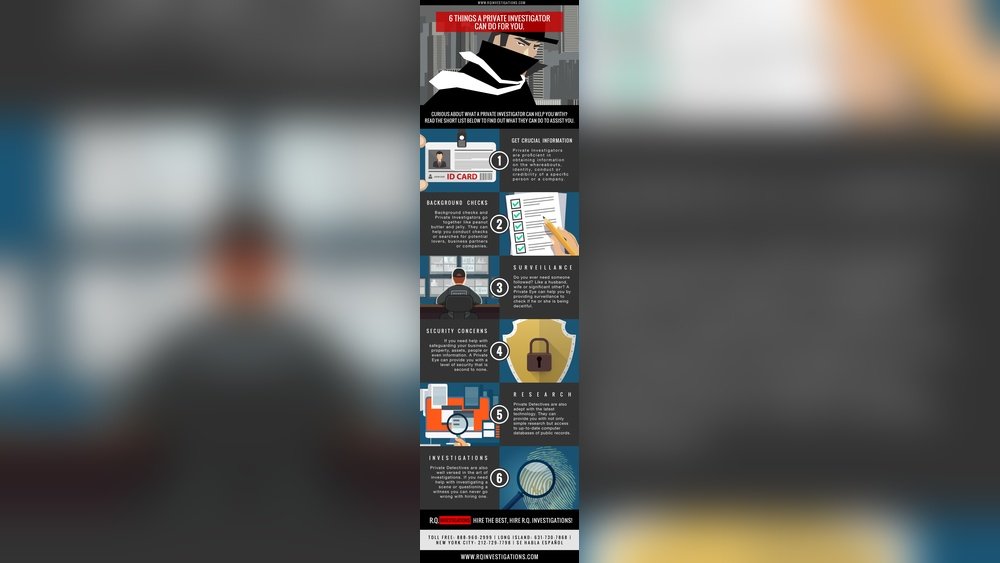
Investigators use surveillance, background checks, and interviews. They also collect public records and digital data. Their approach depends on the case requirements.
Conclusion
Choosing the right private investigator takes careful thought. Trust and experience matter a lot. Check their background and ask clear questions. Know what you need before you hire. A good investigator helps you find the truth. Stay patient and watch for signs of honesty.
Your safety and privacy come first. Use these tips to make smart decisions. The right choice brings peace of mind. Take your time and choose wisely.

Ismail Hossain is the founder of Law Advised. He is an Divorce, Separation, marriage lawyer. Follow him.