Investigating Social Media Accounts And Profiles: Ultimate Guide 2026
Have you ever wondered what your social media accounts reveal about you? Whether you’re curious about someone else’s profile or want to understand your own better, knowing how to investigate social media accounts can give you powerful insights.
This isn’t just about scrolling through posts—it’s about uncovering hidden details that shape how people see you or others online. Keep reading, and you’ll discover simple steps to explore profiles like a pro, protect your privacy, and make smarter decisions every time you connect on social media.

Credit: laxhar.com
Preparing For Social Media Investigations
Preparing for social media investigations requires careful planning and clear goals. It helps to know exactly what you want to find and how to do it. Without preparation, you may miss important details or waste time.
This section covers key steps to get ready. Setting objectives guides your work. Choosing the right tools makes the process easier. Following legal and ethical rules keeps the investigation safe and fair.
Setting Objectives And Scope
Start by defining what you want to learn from the social media accounts. Be clear about the questions you need to answer. Decide which profiles or platforms to investigate.
Limit the scope to avoid too much data. Focus on relevant information only. This saves time and keeps the investigation manageable.
Choosing The Right Tools
Select tools that match your investigation needs. Some tools track posts and comments. Others analyze followers or connections. Use software that is easy to use and reliable.
Test tools before starting. This helps avoid technical problems later. Use tools that can save and organize data well.
Legal And Ethical Considerations
Follow laws related to privacy and data use. Avoid accessing private or restricted information. Respect users’ rights and online boundaries.
Check if you need permission to collect data. Use information only for the intended purpose. Ethical investigations build trust and avoid trouble.
Identifying Social Media Profiles
Identifying social media profiles is a key step in any online investigation. Profiles hold valuable information about a person’s interests, connections, and activities. Finding the right account can help verify identities or gather insights.
Different methods work best depending on what information you have. Names, usernames, emails, and phone numbers all offer clues. Exploring these details carefully improves your chances of success.
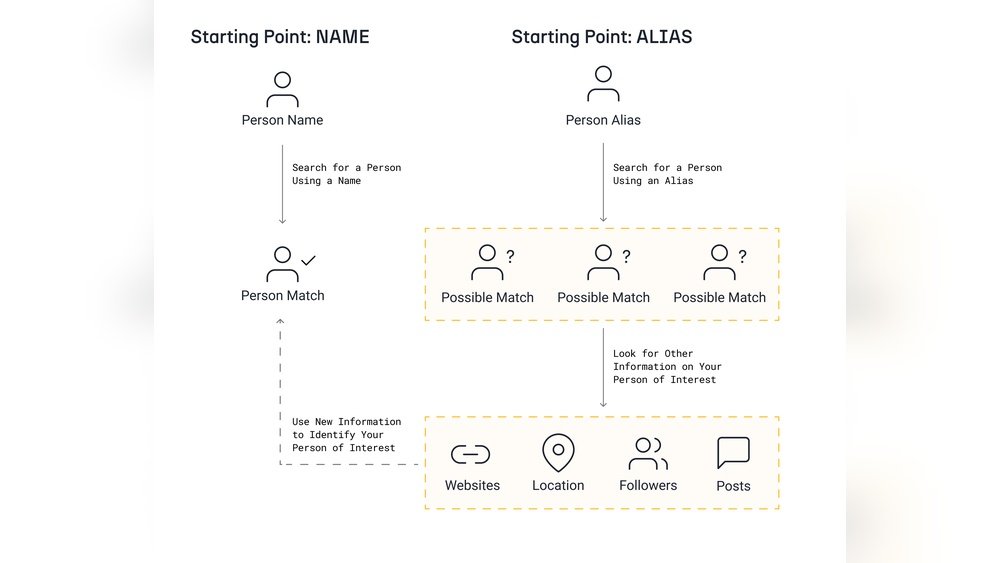
Searching By Name And Username
Start with the person’s full name. Use quotation marks to find exact matches. Add location or job titles to narrow results. Usernames are unique and easier to track. Try variations or common misspellings. Check multiple platforms for the same username.
Using Email And Phone Number Lookup
Email addresses link directly to accounts. Enter the email in search engines or social media sites. Some platforms allow direct email searches. Phone numbers can also reveal accounts. Use reverse lookup tools to find profiles tied to a number. This method works well if names are common.
Exploring Alternative Identifiers
Look beyond names and contacts. Profile pictures can be reverse-searched for matches. Check bios for clues like workplaces or schools. Use mutual friends or followers to trace connections. Sometimes, hashtags or group memberships point to profiles. These details help confirm identity with more confidence.
Analyzing Profile Information
Analyzing profile information helps to understand social media accounts better. It reveals who is behind the profile and their intent. Careful examination can show if the profile is trustworthy or fake. This process is essential for safety and informed decisions online.
Evaluating Profile Details
Start by checking the profile picture. Does it look real or generic? Look at the bio for clear and consistent information. Check the location, job, and interests. Genuine profiles usually have detailed and logical details. Profiles with vague or missing information may raise doubts.
Assessing Profile Authenticity
Authentic profiles have a history of posts and interactions. Check the quality and type of posts. Real users share varied content, including photos and comments. See if friends or followers look real and active. Profiles with few posts or followers may be suspicious.
Spotting Fake And Bot Accounts
Fake accounts often have strange usernames or many numbers. They may post very frequently or copy content from others. Bots usually have little personal content and generic photos. Look for repeated comments or messages that seem automated. Trust your instincts if something feels off.
Tracking Social Media Activity
Tracking social media activity helps reveal important details about a person or brand. It shows what they share, who they connect with, and how they behave online. This information aids investigations, marketing, or personal research.
Careful tracking requires attention to various aspects of social media accounts. Each part tells a story that helps understand the bigger picture.
Monitoring Posts And Updates
Posts and updates show real-time thoughts and actions. They reveal opinions, interests, and events in a user’s life. Monitoring these helps spot changes over time. Patterns in posting frequency or content type can suggest moods or intentions.
Sometimes, deleted posts or edits also hold clues. Keeping track of these changes uncovers hidden information. Public posts are easy to access, but private ones need deeper methods.
Examining Connections And Followers
Connections and followers reveal a user’s social circle. Friends, followers, and groups show who influences or supports the user. Examining mutual connections helps verify identity or find hidden links.
Clusters of followers may indicate communities or interests. Unusual or fake accounts can signal suspicious activity. Understanding relationships guides deeper insight into the user’s network.
Detecting Behavioral Patterns
Behavioral patterns form through repeated actions or habits. Time of posting, type of content, and interaction styles all matter. Detecting these patterns helps predict future actions or intentions.
Sudden changes in behavior can indicate stress, deception, or new influences. Automated tools can help spot these trends quickly. Recognizing patterns improves the quality of social media investigations.
Leveraging Advanced Investigation Techniques
Advanced investigation techniques help dig deeper into social media accounts. They reveal hidden details that basic checks miss. These methods improve accuracy and speed in gathering information. Using technology and smart tools makes investigations more effective.
These techniques analyze data from posts, images, and videos. They also connect information across different platforms. This approach provides a fuller picture of the person or group behind an account.
Using Metadata And Geotags
Metadata is hidden information in photos, videos, and files. It shows the time, date, and device used to create content. Geotags reveal the location where content was made or shared. Investigators use this data to track movements and timelines. It helps confirm if a post matches the claimed place or time.
Extracting metadata requires special tools or software. Many social media platforms strip metadata to protect privacy. Still, saved or shared files may keep this data intact. Geotags can also appear in captions or comments. This makes it easier to map a user’s activity.
Applying Image And Video Analysis
Image and video analysis examines visual content closely. It finds signs of editing or manipulation. This process checks if images are real or fake. Investigators compare faces, objects, or backgrounds across posts. They use facial recognition and object detection tools. This helps identify people or places in the media.
Video analysis looks for inconsistencies in shadows, lighting, or sound. It can reveal if a clip was altered or taken from another source. This method validates the authenticity of visual evidence. It prevents false claims and misinformation spreading online.
Cross-platform Correlation
Cross-platform correlation connects information from multiple social networks. Users often share similar details on different sites. Matching usernames, photos, or posts helps link profiles together. This technique uncovers fake accounts or hidden identities.
Investigators track patterns in language, posting times, and contacts. These clues build a detailed profile of the user. Cross-platform checks increase confidence in the findings. They reduce chances of errors or deception.

Credit: www.bbc.co.uk
Documenting And Reporting Findings
Documenting and reporting findings is a key step in investigating social media accounts. It helps keep track of all collected evidence clearly. Clear documentation allows others to understand the investigation results easily.
Good reports support decision-making and future reviews. They must be accurate and organized. Protecting the privacy of collected data is also essential. This section covers how to organize evidence, create reports, and keep data safe.
Organizing Evidence
Organize evidence by date and type. Use folders and files to separate images, messages, and profiles. Label each item with clear, simple names. This saves time when reviewing data later. Keep a log of all sources and times you accessed them. Avoid mixing unrelated information to prevent confusion.
Creating Detailed Reports
Write reports in short, clear sentences. Describe what you found step-by-step. Include screenshots or links as proof. Use bullet points for key facts. Explain how the evidence relates to the investigation. Keep language simple to help all readers understand. Summarize findings at the end for quick review.
Ensuring Data Security And Privacy
Store reports and evidence in secure locations. Use passwords and encryption when possible. Share data only with trusted people. Avoid posting sensitive information online. Delete unnecessary files to reduce risk. Respect privacy laws and guidelines during the investigation. Always handle data carefully to protect all parties involved.
Future Trends In Social Media Investigations
Social media investigations will change a lot in the future. New tools and rules will shape how experts find information online. Understanding these trends helps investigators stay ready and smart.
Ai And Automation Impact
Artificial intelligence will help investigators sort data faster. Machines can scan thousands of posts in seconds. Automation will reduce human errors and save time. AI can spot patterns that people might miss. This technology makes investigations more precise and efficient.
Emerging Platforms To Watch
New social media platforms will become important for investigations. People shift to apps with different features and privacy levels. Investigators must learn to use these new platforms well. Watching trends on these sites helps catch important clues early. Staying updated on platforms is key for success.
Evolving Privacy Regulations
Privacy laws will change how social media data is accessed. Rules will protect user information more strictly. Investigators must follow these laws to avoid legal trouble. Understanding regulations ensures ethical and legal searches. Privacy will shape what data is available and how.

Credit: www.bbc.com
Frequently Asked Questions
What Tools Help In Investigating Social Media Accounts Effectively?
Social media investigation tools scan profiles for public information quickly. They find connections, posts, and activity to reveal useful details. Popular tools include social search engines and profile analyzers.
How Can One Verify The Authenticity Of Social Media Profiles?
Check profile pictures, post history, and friend lists for consistency. Genuine profiles usually have regular updates and real interactions. Cross-checking with other platforms adds trustworthiness.
What Legal Rules Apply To Social Media Investigations?
Investigations must respect privacy laws and platform terms of service. Avoid hacking or accessing private data without permission. Always use publicly available information for ethical research.
Why Is Analyzing Social Media Important In Investigations?
Social media reveals behavior patterns, relationships, and interests of subjects. It helps understand motives and track movements or events. This data supports evidence collection and decision-making.
Conclusion
Investigating social media accounts helps reveal important details. It shows patterns in posts, friends, and interests. This process supports making smart decisions online. Staying careful protects privacy and avoids false information. Simple steps like checking profiles boost your safety. Trust but verify to stay informed and secure.
Social media holds much info; use it wisely.

Ismail Hossain is the founder of Law Advised. He is an Divorce, Separation, marriage lawyer. Follow him.