Window Tint Laws in New York State: What You Need to Know Today
Are you thinking about tinting your car windows in New York State? Before you do, it’s important to know the rules that keep you on the right side of the law.
Window tint laws in New York can be confusing, but understanding them is key to avoiding fines or even having your car inspected. You’ll discover exactly what you need to know to choose the right tint for your windows—without risking penalties.
Keep reading to protect yourself and your vehicle while enjoying the benefits of window tinting.
New York Tint Regulations
New York State has clear rules about window tinting on vehicles. These rules protect drivers and keep roads safe. Knowing these rules helps avoid fines and legal trouble.
Each type of window on a car has different tint limits. The state measures tint by how much light can pass through the glass. This is called Visible Light Transmission (VLT). A lower VLT means darker tint.
Front Side Windows
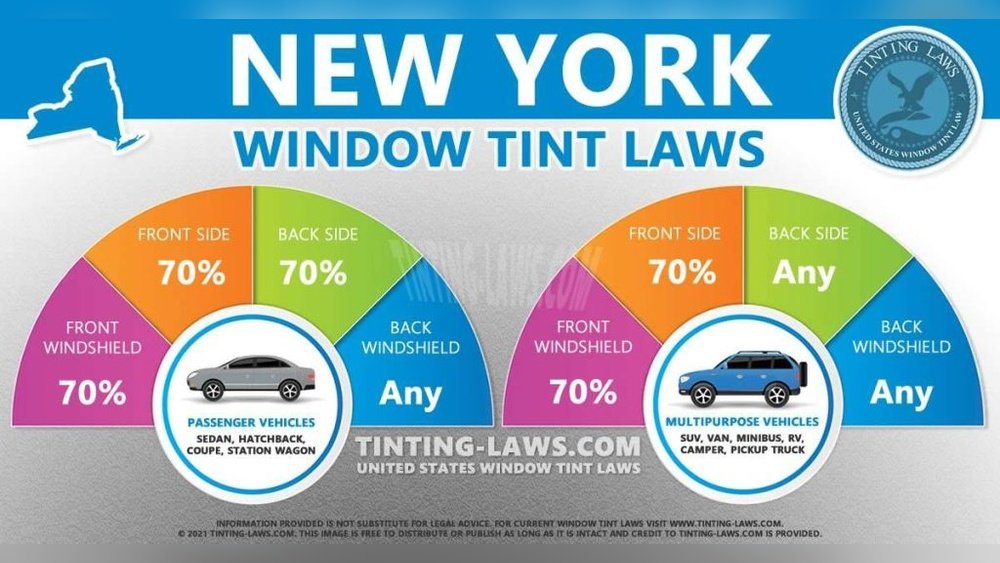
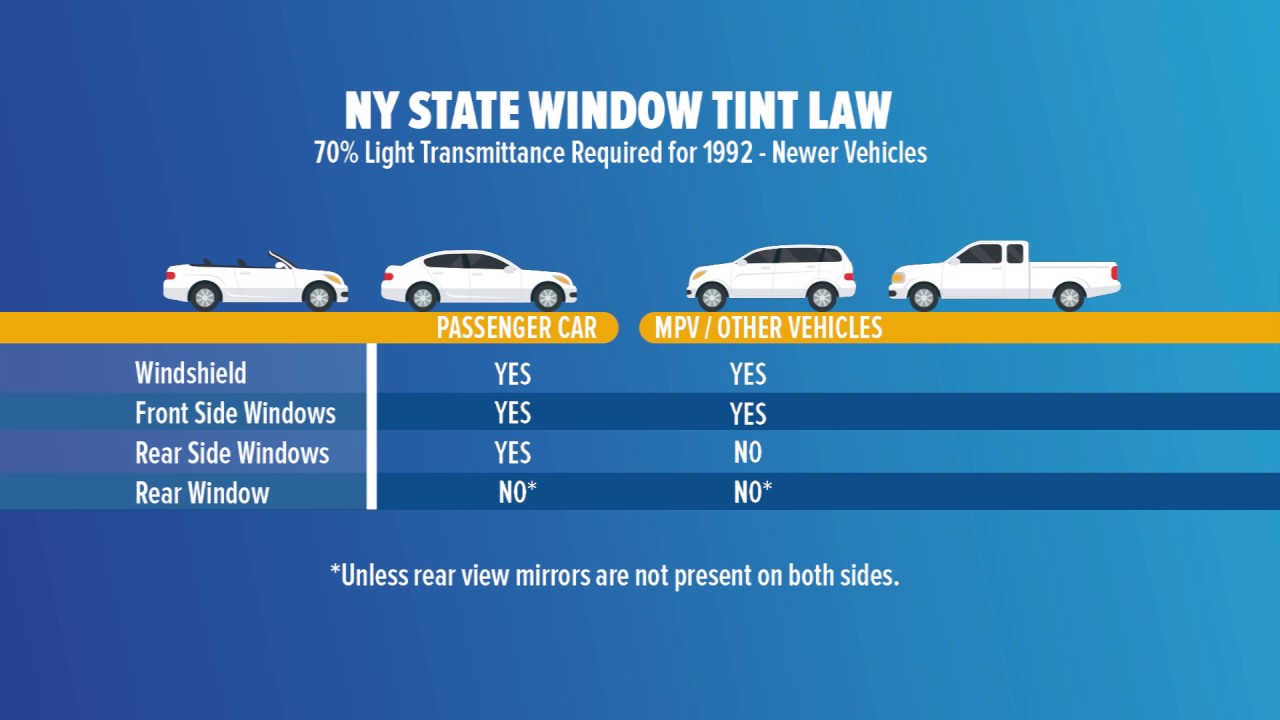
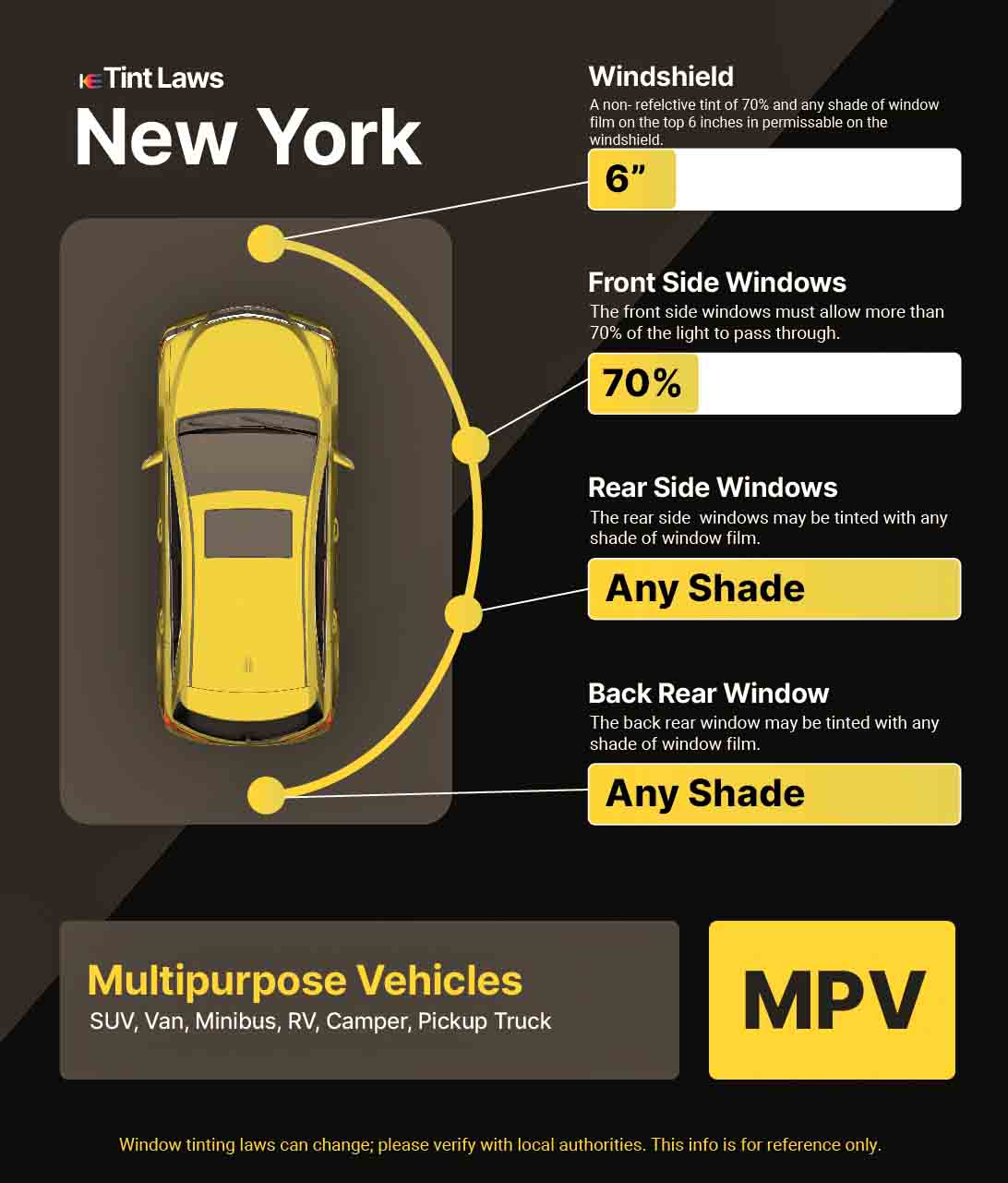
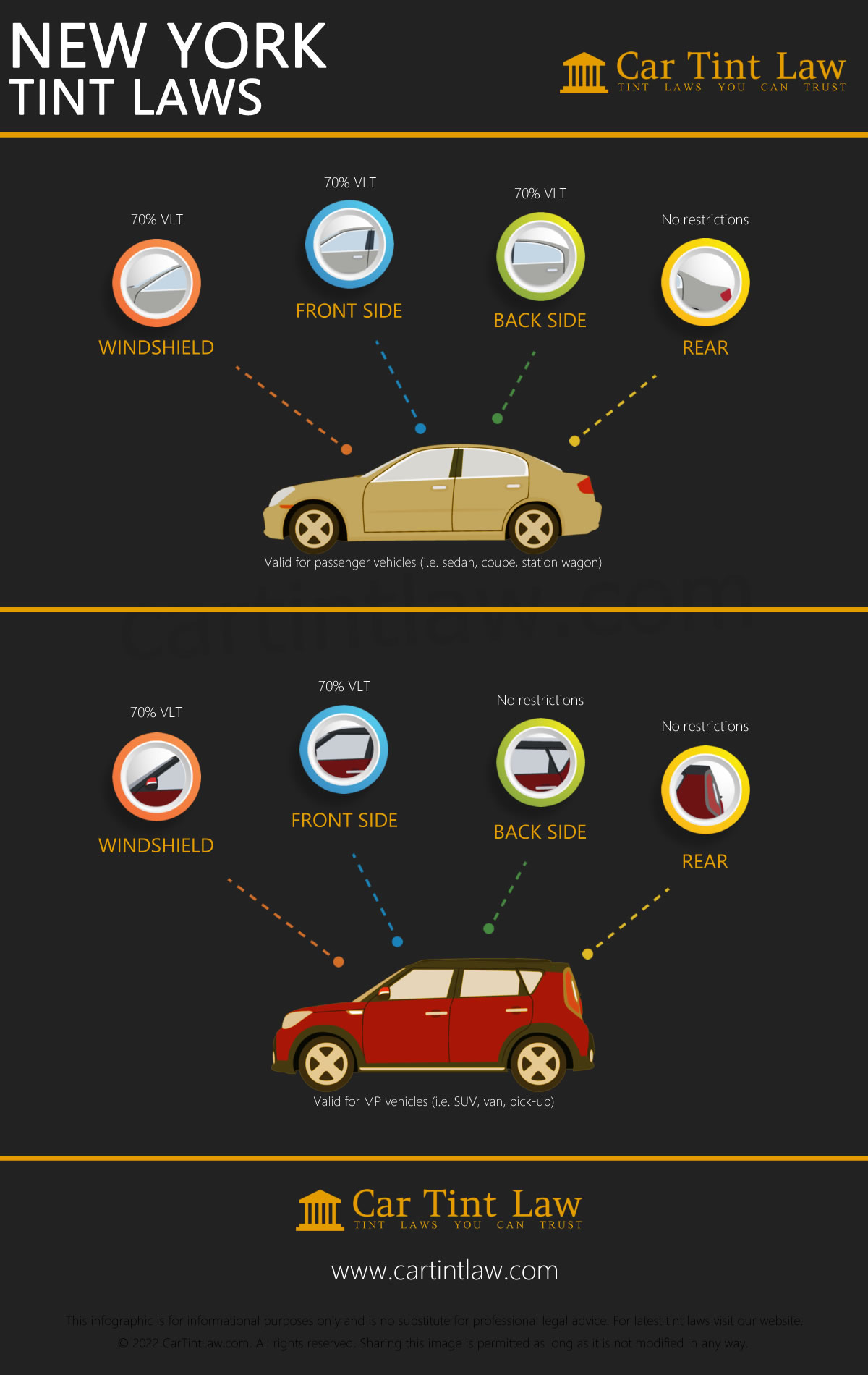
The front side windows must allow more light than the others. New York law requires at least 70% VLT on these windows. This means only a light tint is allowed here. It helps police see inside the car.
Rear Side Windows
Rear side windows can have darker tint. There is no specific VLT limit on these windows. But the tint must not block the driver’s view. This gives some privacy while keeping safety in mind.
Rear Window
The rear window tint also has no strict VLT limit. It can be darker than the front side windows. The rear window often has defrosters or wipers. These help keep visibility clear for the driver.
Windshield Tinting
Windshield tinting is mostly banned in New York. Only a small strip at the top of the windshield can have tint. This strip cannot cover more than 6 inches. It helps reduce sun glare without blocking view.
Medical Exemptions
Some drivers can get permission for darker tint. Medical conditions may require extra protection from sunlight. Drivers must carry a certificate from a doctor. The exemption must follow state guidelines.
Credit: www.youtube.com
Allowed Tint Levels By Vehicle
New York State has clear rules about window tinting for vehicles. These rules depend on the type of vehicle. Different vehicles have different allowed tint levels. Knowing these limits helps avoid fines and keeps your car legal.
Each vehicle type has specific rules for how dark the tint can be. The rules also specify which windows can be tinted. Following these laws helps ensure safety and visibility on the road.
Passenger Cars
For passenger cars, the front side windows must allow more than 70% of light in. The rear side windows and back window can have any darkness. The tint must not block too much light on the front windows.
Suvs And Vans
SUVs and vans follow similar rules as passenger cars. Front side windows must let in over 70% light. Rear windows can be darker or fully tinted. This allows more privacy for passengers in the back.
Commercial Vehicles
Commercial vehicles must have front side windows that allow at least 70% light. Rear windows can have darker tint. The rules protect drivers and passengers, ensuring good visibility.
Motorcycles
Motorcycles have strict tint rules. The windshield and front side windows must be clear. No tint is allowed on these windows. The law prioritizes rider safety and clear vision.
Medical Exemptions For Tinting
New York State allows medical exemptions for window tinting. These exemptions help people with certain health issues who need extra protection from sunlight. The law permits darker tints than normally allowed for medical reasons.
To get a medical exemption, a person must have a doctor’s note. The note should explain the medical need for darker tinting. Common conditions include light sensitivity and skin disorders.
Medical exemptions protect drivers without breaking tint laws. They allow safer and more comfortable driving for those affected.
Who Qualifies For Medical Tint Exemptions?
People with specific health conditions may qualify. Examples include lupus, albinism, and severe eczema. These conditions cause pain or damage from sunlight exposure. A certified medical professional must confirm the condition.
How To Apply For A Medical Exemption
The process starts with a doctor’s written statement. This statement must describe the medical need clearly. The driver submits the statement to the New York Department of Motor Vehicles (DMV). Approval from the DMV grants legal permission for darker tint.
Limits And Requirements For Medical Tinting
Even with an exemption, tint darkness has limits. The tint must not block driver visibility. The law sets specific percentages for light transmission. Drivers must carry the medical exemption document in the vehicle at all times.
Credit: kepler-dealer.com
Penalties For Illegal Tinting
Illegal window tinting in New York State carries strict penalties. Authorities enforce these rules to keep roads safe for all drivers and pedestrians. Ignoring tint laws can lead to fines and other legal problems.
Police officers may stop drivers if their window tint is too dark. The level of tint allowed varies by window location. Dark tints reduce visibility, which can cause accidents.
Fines For Illegal Tinting
Drivers caught with illegal tint face fines. The amount depends on how dark the tint is. Fines can start at $100 and increase for repeat offenses. Paying the fine does not fix the problem.
Vehicle Inspection And Correction Orders
Officers may require a vehicle inspection after a tint violation. Drivers must remove or replace illegal tint to pass. Failure to comply can lead to more penalties. The vehicle may not be allowed on the road until corrected.
Impact On Insurance And Legal Records
Illegal tinting can affect insurance claims. Violations may appear on driving records. This can lead to higher insurance rates. It may also affect the outcome of legal cases after accidents.
Credit: www.cartintlaw.com
Frequently Asked Questions
What Are The Legal Tint Limits For Car Windows In New York?
New York law allows 70% or more light to pass through front side windows. Rear side and back windows can have any tint darkness. Windshields must allow more than 70% light, except for the top 6 inches.
Can I Tint My Car Windows Darker For Medical Reasons?
Yes, New York permits darker tints with a medical exemption. You must carry a doctor’s note and a special permit. This allows darker tint on front side windows only.
Are There Fines For Breaking Window Tint Laws In New York?
Yes, violating tint laws can lead to fines and tickets. Police may require you to remove illegal tint. Repeated offenses might increase penalties and costs.
Does New York Allow Reflective Or Mirrored Window Tints?
No, reflective or mirrored window tints are not allowed on any vehicle windows. The law prohibits tints that reflect light too much. This keeps visibility clear for safety.
Conclusion
Knowing New York’s window tint laws helps you stay safe and legal. Tints protect from sun glare but must follow rules. Check your tint’s darkness and reflectiveness carefully. Police may stop you if your tint breaks the law. Keep your car’s windows within legal limits.
Stay informed, so you avoid fines and trouble. Drive smart and enjoy the benefits of proper window tinting. Simple steps keep you safe on the road.

Ismail Hossain is the founder of Law Advised. He is an Divorce, Separation, marriage lawyer. Follow him.