Divorce Laws in New York State Alimony: Essential Guide & Tips
If you’re facing a divorce in New York State, understanding alimony can feel overwhelming. You probably have questions like: How is alimony decided?
How long will you have to pay or receive it? What factors does the court consider? Knowing the answers can protect your finances and peace of mind during this challenging time. You’ll discover clear, straightforward information about New York’s alimony laws—so you can make informed decisions and take control of your future.
Keep reading to learn what you need to know about alimony in your divorce.

Credit: oalaw.com
Alimony Basics In New York
Alimony is a financial support paid by one spouse to the other after a divorce. It helps the lower-earning spouse maintain a similar lifestyle. New York State has specific rules to decide who pays, how much, and for how long. Understanding these basics is essential for anyone going through a divorce.
Types Of Alimony
New York offers several types of alimony. Temporary maintenance is paid during the divorce process. Post-divorce maintenance starts after the divorce ends. There is also rehabilitative maintenance, which supports education or job training. The court decides which type fits each case.
Eligibility Criteria
Not everyone qualifies for alimony in New York. The court checks several factors. These include the length of the marriage, each spouse’s income, and age. The ability to work and care for children also matters. The goal is to be fair to both spouses.
Duration And Amount
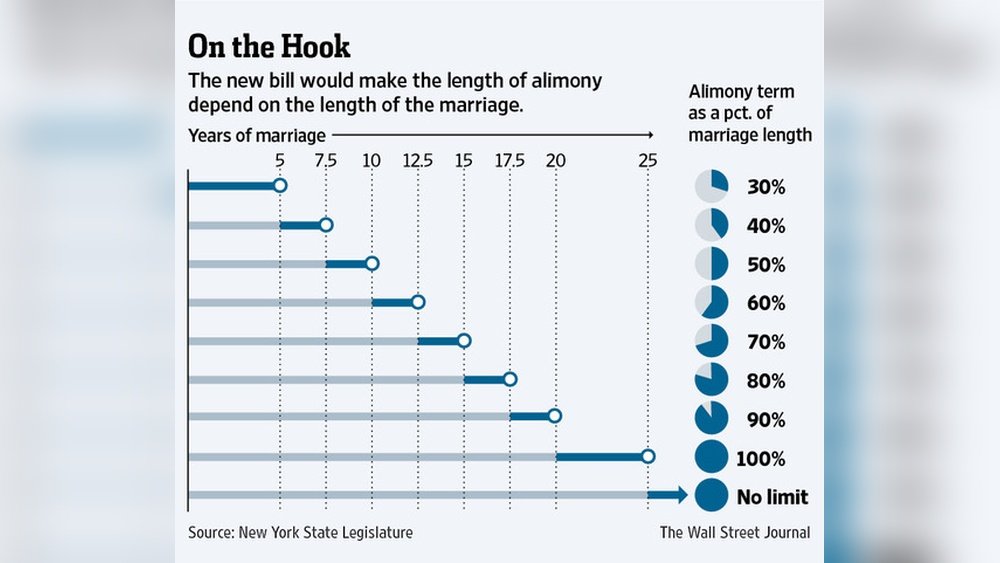
The length of alimony payments depends on the marriage duration. Short marriages usually mean shorter payments. The amount is based on the spouses’ income and needs. Courts aim for a balanced solution. Payments can be modified if circumstances change.
Factors Influencing Alimony Decisions
Alimony decisions in New York State depend on many factors. Courts examine these factors carefully to ensure fairness. Understanding these elements helps people prepare for possible outcomes.
Income And Earning Capacity
The court reviews each spouse’s income and ability to earn money. It looks at current wages and future job potential. This helps judge if one spouse needs financial support.
Marriage Length And Standard Of Living
The length of the marriage affects alimony amounts. Longer marriages often lead to higher or longer alimony. Courts also consider the lifestyle the couple shared during marriage.
Contributions To The Marriage
Both financial and non-financial contributions matter. This includes raising children and supporting a spouse’s career. The court values these efforts when deciding alimony.
Modifying And Enforcing Alimony
Alimony orders can change over time due to shifts in financial status or personal circumstances. Modifying and enforcing alimony ensures fair support for both parties. Courts in New York allow changes when significant reasons exist. Enforcing alimony is crucial to keep payments consistent and reliable.
Changing Alimony Orders
Alimony orders may change if financial needs or abilities alter. Both parties can ask the court for a modification. Common reasons include job loss, illness, or remarriage. The court reviews evidence before approving changes. Changes are not automatic; they require legal approval.
Enforcement Options
Enforcing alimony protects the receiving spouse’s rights. Options include wage garnishment, where payments come directly from the payer’s paycheck. Courts can also seize tax refunds or bank accounts. Legal action like contempt of court may be filed. These tools help keep alimony payments on track.
Consequences Of Non-payment
Failing to pay alimony has serious consequences. The court may impose fines or jail time. Credit scores can suffer, affecting loans and housing. Non-payment can lead to wage garnishment or asset seizure. The law takes missed payments very seriously.

Credit: www.wsj.com
Tips For Navigating Alimony In Divorce
Alimony can be a complex part of divorce in New York State. Understanding how to navigate it helps protect your interests. Clear steps and careful planning make the process easier. Here are practical tips to guide you through alimony matters.
Hiring The Right Attorney
Choose a lawyer who knows New York divorce laws well. Experience with alimony cases is important. A skilled attorney explains your rights clearly. They help you understand legal terms and options. Good communication with your lawyer ensures better decisions. Avoid lawyers who rush or do not listen to your concerns.
Documenting Financial Information
Keep detailed records of your income and expenses. Include bank statements, pay stubs, and tax returns. List all assets, debts, and monthly bills. Accurate documents support your alimony case. They show your true financial situation to the court. Organize these papers before meetings with your lawyer.
Negotiation Strategies
Stay calm and focused during discussions. Know your financial needs and limits. Be ready to compromise but protect your rights. Use facts and documents to support your points. Avoid emotional arguments that can harm negotiations. Aim for a fair agreement that works long-term.

Credit: www.trottolaw.com
Frequently Asked Questions
What Factors Determine Alimony In New York State?
New York courts consider income, marriage length, and each spouse’s needs. They also look at age, health, and contributions to the marriage.
How Long Can Alimony Payments Last In New York?
Alimony duration depends on marriage length and financial conditions. Short marriages may get temporary support; long marriages may get longer or permanent support.
Can Alimony Amounts Be Changed After Divorce?
Yes, courts can adjust alimony if financial situations change. Both parties must prove significant changes to request modification.
Is Alimony Taxable In New York State?
Alimony is taxable income for the receiver and deductible for the payer. Tax rules may vary, so check current IRS guidelines.
Conclusion
Understanding New York alimony laws helps in fair divorce settlements. Courts decide alimony based on many factors like income and marriage length. Spouses should know their rights and responsibilities clearly. Talking to a lawyer can provide useful guidance. Each case is different, so knowing the rules is important.
Staying informed helps reduce confusion and stress. Alimony aims to support fairness after divorce. Keep these points in mind for smoother legal processes.

Ismail Hossain is the founder of Law Advised. He is an Divorce, Separation, marriage lawyer. Follow him.