Tenant Screening Laws in New York: Essential Guide for Landlords
Are you planning to rent out your property in New York? Understanding tenant screening laws is crucial to protect yourself and make the best choice.
These laws affect what information you can check and how you handle it. If you get it wrong, you could face legal trouble or miss out on the right tenant. Keep reading to learn exactly what you need to know to screen tenants legally and confidently in New York.
Your peace of mind starts here.
New York Tenant Screening Basics
Tenant screening in New York follows specific rules. These rules protect both landlords and tenants.
Landlords must know what is allowed and what is not. This helps avoid legal problems and unfair treatment.
Understanding these basics is important for a smooth rental process.
Key Legal Requirements
Landlords must get permission before checking a tenant’s background. This includes credit, criminal, and rental history checks.
They must also provide written notice if they deny an applicant. The notice should explain why the application was rejected.
Tenant information must be kept private and secure. Sharing data without consent is illegal.
Permitted Screening Criteria
Landlords can check credit scores to see financial responsibility. They may review past rental history to spot any problems.
Criminal records can be checked but only for serious offenses. Minor offenses should not be used to deny housing.
Income verification is allowed to ensure tenants can pay rent. Employment history may also be reviewed.

Credit: www.stessa.com
Fair Housing And Anti-discrimination Rules
Fair housing and anti-discrimination rules protect renters and landlords in New York. These laws ensure that tenant screening is done fairly. Everyone has the right to equal housing opportunities. These rules help prevent bias and unfair treatment during the rental process.
Landlords must follow these rules strictly. Screening applicants must be based on facts, not personal characteristics. This creates a fair and transparent rental market for all parties involved.
Protected Classes In Tenant Screening
New York law protects certain groups during tenant screening. These are called protected classes. They include race, color, religion, sex, national origin, age, and disability. Familial status and sexual orientation are also protected. Landlords cannot deny housing based on these categories.
This means no questions or decisions should target these groups. Tenant screening must focus on financial and rental history facts. Respecting protected classes promotes fairness and equal access to housing.
Avoiding Discriminatory Practices
Landlords must avoid any actions that seem biased. Treat all applicants the same way. Use consistent screening criteria for everyone. Avoid asking questions that relate to protected classes.
Keep records of screening decisions. This shows compliance with fair housing laws. Rejecting applicants should be based on clear, legal reasons only. Discrimination can lead to legal problems and fines.
Credit And Background Checks
Credit and background checks help landlords find reliable tenants in New York. These checks give insight into a tenant’s financial habits and past behavior. They reduce risks of late payments and property damage. Landlords must follow strict laws to protect tenant privacy and rights during this process.
Obtaining Tenant Consent
Landlords must get written permission before running credit or background checks. This consent shows the tenant agrees to the screening. It protects landlords from legal trouble. The consent form should explain what information will be collected. Tenants have the right to refuse, but this may affect their application.
Using Consumer Reports Properly
Credit reports and background checks come from consumer reporting agencies. Landlords must use these reports fairly and only for renting decisions. They must provide tenants with a copy if they deny the application. Tenants also get a chance to correct any errors. This ensures transparency and fairness in tenant screening.
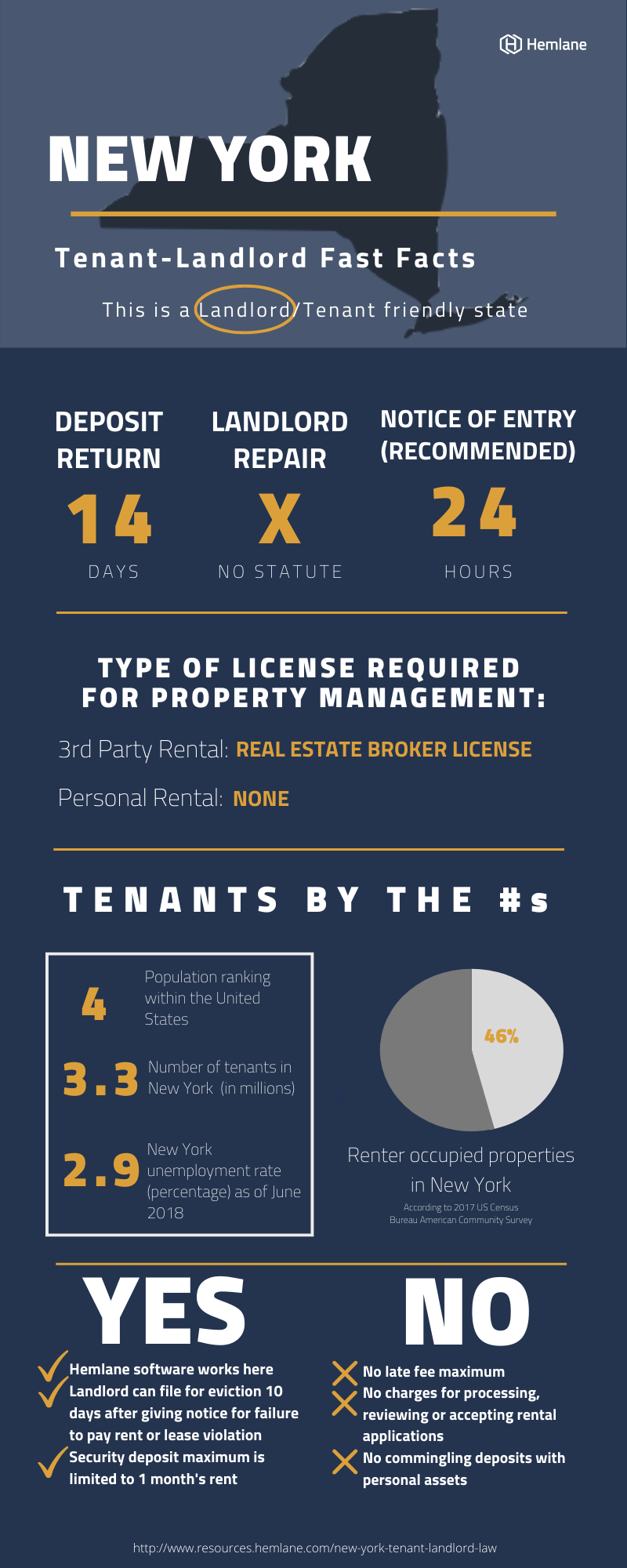
Credit: www.hemlane.com
Handling Screening Outcomes
Handling screening outcomes is a vital part of tenant screening in New York. Landlords must follow clear steps to manage results fairly and legally. This process protects both landlords and applicants.
Clear communication about screening results is important. It helps applicants understand decisions and next steps. Also, landlords must be ready to fix errors in screening reports.
Notifying Applicants Of Decisions
Landlords must inform applicants promptly about their screening results. If an applicant is rejected, the landlord must send a written notice. This notice should explain the reason for denial clearly.
The notice must include information about the screening company used. It should also provide contact details for the screening agency. This allows applicants to check their reports for accuracy.
Timely and clear notification helps applicants respond quickly. It also ensures landlords follow New York tenant screening laws.
Addressing Disputes And Errors
Applicants can dispute incorrect or incomplete information in screening reports. Landlords should encourage applicants to report any errors they find. Prompt action helps maintain trust and fairness.
Landlords must work with screening agencies to correct mistakes. Agencies usually have a process to review and fix errors quickly. Correcting reports ensures fair treatment for all applicants.
Ignoring disputes can lead to legal issues for landlords. Following proper steps keeps the screening process transparent and reliable.
Credit: frblaw.com
Frequently Asked Questions
What Are The Main Tenant Screening Laws In New York?
New York laws require landlords to follow fair housing rules during tenant screening. They must get written consent before running credit or background checks. Landlords cannot discriminate based on race, gender, or other protected traits.
Can Landlords Use Credit Reports To Screen Tenants In New York?
Yes, landlords can use credit reports but must get tenant permission first. They must provide a copy of the report if it harms the tenant’s application. This ensures transparency and fairness in the screening process.
Are There Limits On Criminal Background Checks For Tenants?
New York limits how landlords use criminal history in tenant screening. They cannot reject tenants based on arrests without convictions. Convictions must be relevant to the rental property to be considered.
How Long Can Landlords Keep Tenant Screening Information?
Landlords in New York should keep screening data only as long as needed. Retaining information after rejection can violate privacy laws. Proper disposal of this data protects tenant rights and landlord compliance.
Conclusion
Understanding tenant screening laws in New York helps protect both landlords and tenants. These laws set clear rules about what checks are allowed. They ensure fairness and prevent discrimination during the renting process. Staying informed avoids legal problems and builds trust between parties.
Always follow the rules carefully when screening tenants. This keeps renting smooth and fair for everyone involved.

Ismail Hossain is the founder of Law Advised. He is an Divorce, Separation, marriage lawyer. Follow him.