Swimming Pool Fence Laws in Ohio: Essential Rules You Must Know
If you own a swimming pool in Ohio, you need to know the rules that keep your pool area safe and legal. Swimming pool fence laws are not just about following the law—they protect your family and neighbors from accidents.
You might think fencing is just an extra step, but it can save lives and give you peace of mind. You’ll discover exactly what Ohio requires for pool fences, why these laws matter, and how to make sure your pool stays safe and compliant.
Keep reading to protect your home and avoid costly fines.

Credit: poolguardusa.com
Ohio Pool Fence Requirements
Ohio has specific rules for pool fences to keep children safe. These rules set clear standards for height, materials, and gate features. Following these rules helps prevent accidents and ensures your pool area is secure.
Fence Height And Material
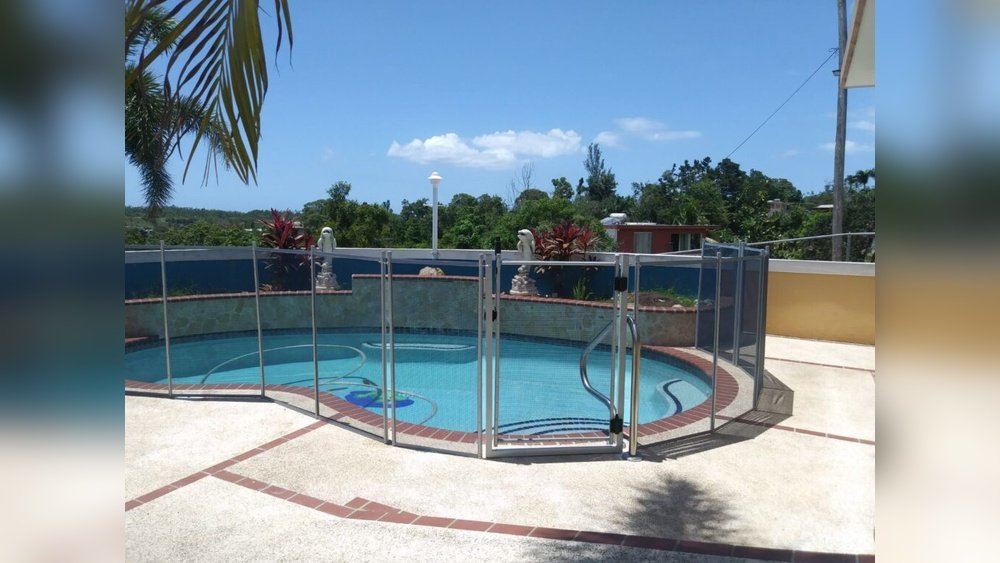
The fence must be at least 48 inches tall. This height helps stop children from climbing over. Materials used must be strong and durable. Metal, vinyl, or wood fences are common choices. Spaces between bars or slats must be narrow to prevent squeezing through.
Gate Specifications
Gates must close and lock by themselves. This feature stops children from opening the gate alone. Locks should be out of reach of small kids. The gate must swing outward, away from the pool. This design adds an extra layer of safety.
Barrier Placement
The fence should surround the entire pool area. No gaps or openings should allow easy access. The barrier cannot be near objects children can climb on. Trees, furniture, or equipment should be kept away. This placement keeps the pool fully protected.
Safety Standards For Residential Pools
Safety standards for residential pools in Ohio aim to protect families and prevent accidents. These rules help keep children and pets safe around water. Pool owners must follow specific guidelines to ensure a secure environment. Understanding these standards is important for every homeowner with a pool.
Alarm Systems
Ohio law requires alarm systems on residential pools. These alarms activate when someone enters the pool area. They alert adults immediately to prevent drowning risks. Pool alarms must be loud and easy to hear from inside the home. Regular testing ensures the system works properly.
Locking Mechanisms
Gates and doors leading to the pool must have locking devices. Locks should be childproof and hard to open without a key or code. Self-closing and self-latching gates are often required by law. These features reduce the chance of unsupervised pool access.
Visibility And Maintenance
Pool fences must allow clear visibility inside the pool area. This helps adults monitor swimmers easily. Fences need regular inspection and repairs to stay strong. Removing any damage or gaps prevents accidental entries. Proper upkeep supports ongoing safety around the pool.
Local Regulations And Variations
Swimming pool fence laws in Ohio vary by location. Local rules often differ from state laws. Homeowners must know their area’s specific requirements. These rules help keep pools safe for families and neighbors. Understanding local variations helps avoid fines and legal issues.
County-specific Rules
Each county in Ohio may have unique fence rules. Some counties require taller fences than the state minimum. Others specify the type of fence material allowed. Gate locks and self-closing mechanisms might be mandatory. It is important to check with the local county office. This ensures your pool fence meets all the specific rules.
Permit And Inspection Process
Most Ohio counties require a permit before installing a pool fence. The permit process includes submitting fence plans for approval. After installation, an inspection confirms the fence follows all safety rules. Inspectors check fence height, gate locks, and gaps. Passing inspection avoids future penalties and ensures safety compliance.

Credit: poolfence.com
Penalties And Compliance Tips
Understanding the penalties for not following Ohio’s swimming pool fence laws is crucial. These laws protect children and prevent accidents. Breaking these rules can lead to serious fines and legal trouble. Knowing how to comply helps keep your pool safe and legal.
Fines For Violations
Ohio sets strict fines for pool fence violations. Owners may face penalties if fences are missing or not up to code. Fines can range from a few hundred to several thousand dollars. Repeat offenses often bring higher fines. The state enforces these rules to ensure safety around pools.
Ensuring Legal Compliance
Check local rules before building or fixing a pool fence. Your fence must meet height, gate, and lock standards. Regularly inspect your fence for damage or wear. Fix any issues immediately to avoid fines. Keep documentation of permits and inspections for proof.
Hiring Professionals
Hire licensed contractors to install or repair your pool fence. Professionals know Ohio’s laws and building codes. They can help avoid costly mistakes and fines. A certified installer ensures your fence is secure and meets all rules. This saves time and provides peace of mind.

Credit: poolfenceoh.com
Frequently Asked Questions
What Are Ohio’s Basic Swimming Pool Fence Requirements?
Ohio law requires fences at least 48 inches tall around pools. The fence must have no gaps larger than 4 inches. Gates need self-closing and self-latching mechanisms.
Do Pool Fences Need Permits In Ohio?
Yes, most Ohio cities require a permit before installing a pool fence. Check with your local building department to follow rules. This ensures your fence meets safety standards.
How Far Must A Pool Fence Be From The Pool?
The fence should be placed at least 3 feet away from the pool edge. This space helps prevent climbing and ensures safety. Local rules may vary, so verify with your city.
Are There Specific Gate Rules For Pool Fences In Ohio?
Gates must open outward from the pool area and latch automatically. The latch should be out of small children’s reach. These rules help stop unauthorized or accidental entry.
Can I Use A Pool Safety Net Instead Of A Fence?
Ohio law mainly requires a physical fence for safety. Nets may be used as extra protection but not as a replacement. Always check local regulations before choosing safety options.
Conclusion
Ohio’s swimming pool fence laws protect families and keep pools safe. Follow the rules to avoid fines and accidents. Make sure fences are the right height and have secure gates. Check local codes for any extra steps. Safe pools mean happy summers and peace of mind.
Stay informed, stay safe.

Ismail Hossain is the founder of Law Advised. He is an Divorce, Separation, marriage lawyer. Follow him.