What are the Booster Seat Laws in Ohio: Essential Safety Rules Explained
Are you sure your child is riding safely in the car? Knowing the booster seat laws in Ohio is more important than you might think.
These rules aren’t just about following the law—they’re about protecting your little one every time you hit the road. You’ll discover exactly what Ohio requires, why it matters, and how to make sure you’re keeping your child as safe as possible.
Keep reading to find out what you need to know to avoid fines and, most importantly, keep your child secure.
Ohio Booster Seat Requirements
Ohio has clear rules about booster seats to keep children safe in cars. These rules protect kids until they are old enough and big enough to use regular seat belts safely. Parents and caregivers must follow these laws to avoid fines and ensure children’s safety on the road.
Age And Weight Limits
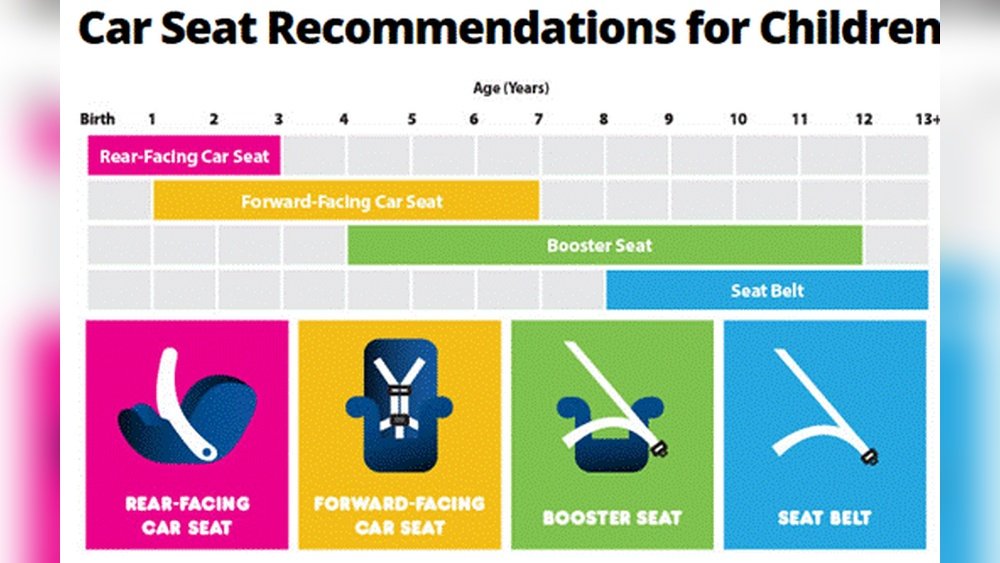
Children in Ohio must use a booster seat until they are at least 8 years old or weigh 80 pounds. Younger kids or those under this weight must remain in a booster seat. This helps the seat belt fit properly and protects them during a crash.
Proper Seat Positioning
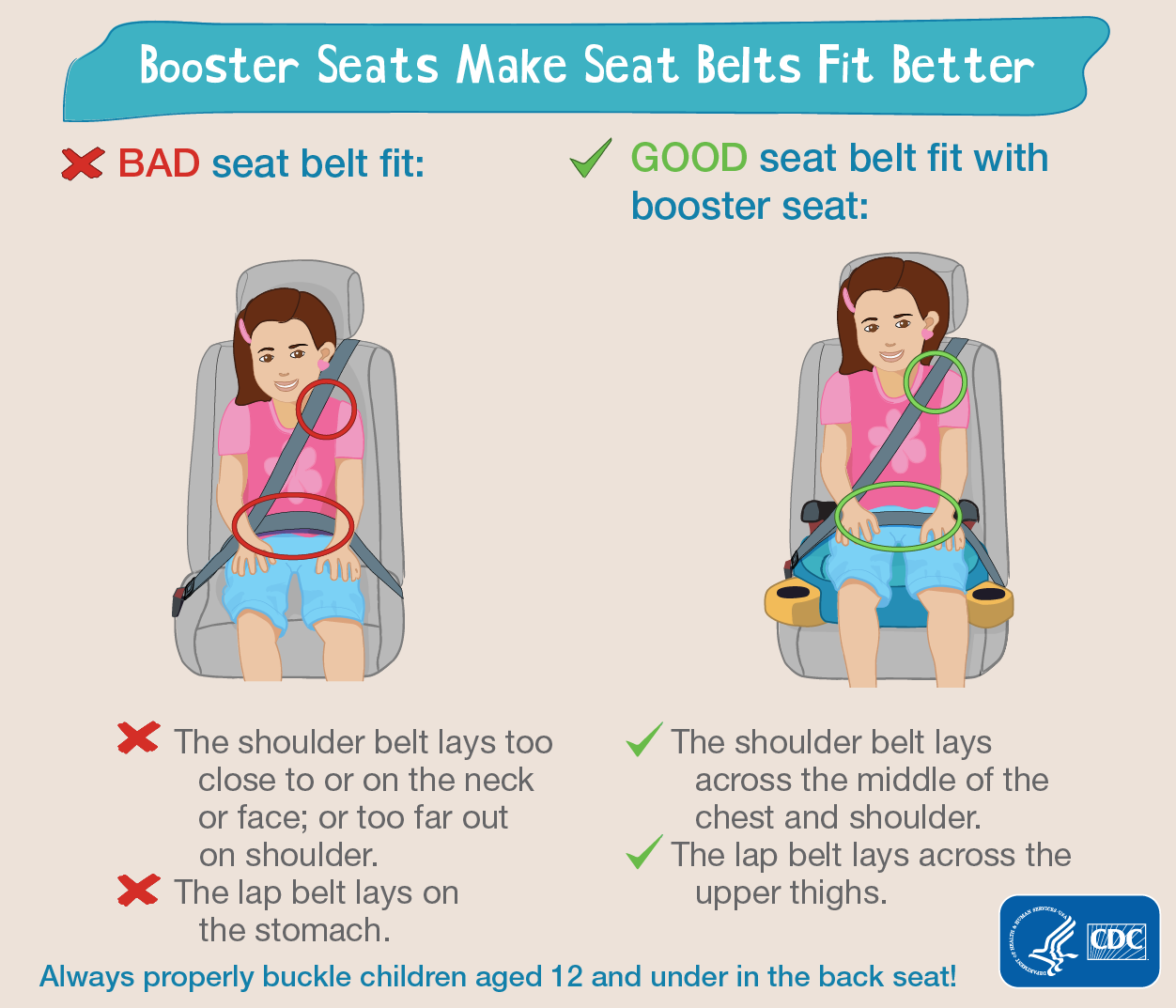
The booster seat must be placed in the back seat of the vehicle. The child should sit straight, with their back against the seat. The seat belt must lie across the shoulder and chest, not the neck or face. The lap belt should fit snugly across the upper thighs, not the stomach.
Credit: www.autoclima.com
Types Of Approved Booster Seats
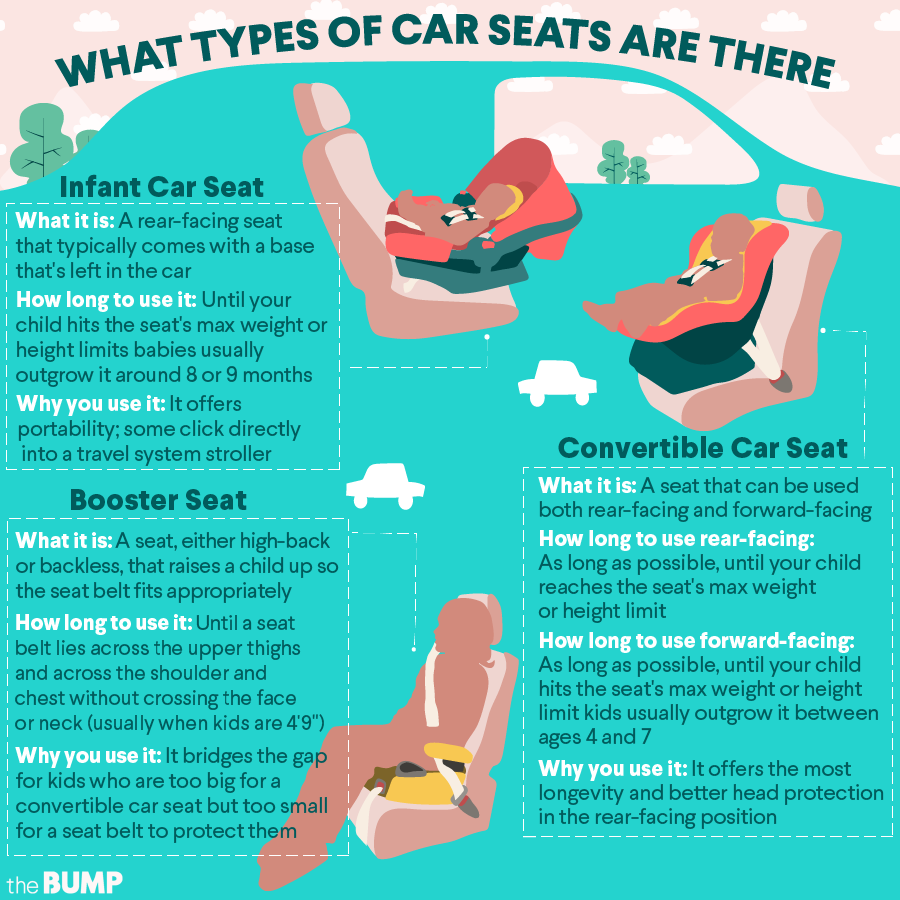
Ohio law requires children to use booster seats to stay safe in cars. There are two main types of booster seats approved by the state. Each type helps position the seat belt correctly on a child’s body. This ensures better protection during a crash.
High-back Booster Seats
High-back booster seats have a supportive backrest and side wings. They offer head and neck support, especially for cars without headrests. These seats keep the seat belt in the right place across the child’s chest and hips. High-back boosters are good for younger children or kids who need extra support. They are also easier to use in vehicles with low seat backs.
Backless Booster Seats
Backless booster seats are simpler and lighter. They raise the child so the seat belt fits properly on the shoulder and lap. These boosters work well in cars with headrests to protect the child’s head. They are easy to move between vehicles. Backless boosters suit older children who can sit up straight on their own.
Penalties For Non-compliance
Ohio has strict rules about booster seats to keep children safe in cars. Not following these rules can lead to serious penalties. Parents and drivers must understand the consequences of ignoring booster seat laws. This section explains the penalties for non-compliance.
Fines And Legal Consequences
Failing to use a booster seat for a child who needs one can result in fines. The amount varies but can be costly. Law enforcement officers may issue tickets during traffic stops. Repeat offenses might lead to higher fines. Courts could also require attendance at safety classes. Ignoring booster seat laws may affect your driving record.
Impact On Insurance
Insurance companies monitor traffic violations closely. A booster seat violation can increase your insurance premiums. Insurers see non-compliance as a risk factor. Higher premiums mean more money spent every year. Some insurance policies might refuse coverage after multiple violations. Protect your wallet by following booster seat rules.

Credit: buckleup.osu.edu
Tips For Ensuring Child Safety
Keeping children safe in vehicles is a top priority for parents. Booster seats play a key role in protecting kids during travel. Understanding the best safety tips can help ensure the booster seat works well. Proper use and timely transitions prevent injuries and keep children secure.
Correct Installation Techniques
Place the booster seat on the vehicle seat flat and steady. Make sure the seat belt fits snugly across the child’s chest and lap. Avoid letting the belt cross the neck or stomach. Check the booster seat manual for specific instructions. Use the vehicle’s seat belt, not the LATCH system, for booster seats. Tighten the seat belt to reduce slack. Test the seat by moving it side to side. The seat should not shift more than one inch.
When To Transition Out Of Booster Seats
Keep children in booster seats until they reach at least 4 feet 9 inches tall. Most kids stop using boosters between ages 8 and 12. The seat belt must fit properly without the booster. The lap belt should lie flat on the upper thighs. The shoulder belt should cross the chest and shoulder. Children who sit properly without slouching can move to regular seat belts. Always follow Ohio’s booster seat laws for age and size limits.
Credit: www.holmeshealth.org
Frequently Asked Questions
What Age Requires A Booster Seat In Ohio?
Children aged 4 to 7 years must use a booster seat in Ohio. They should weigh between 40 and 80 pounds. This law helps keep kids safe in cars.
When Can A Child Stop Using A Booster Seat?
Kids can stop using a booster seat at age 8 or when they reach 4 feet 9 inches tall. They must fit properly in a seat belt. This ensures the seat belt protects them well.
What Type Of Booster Seat Is Legal In Ohio?
Ohio law allows both high-back and backless booster seats. The seat must meet federal safety standards. Choose one that fits your child and car well.
Are Booster Seat Laws Different For Cars And Buses?
Booster seat laws mainly apply to cars and light trucks. School buses have different rules and may not require booster seats. Always check local regulations for buses.
What Are The Penalties For Not Following Ohio Booster Seat Laws?
Violating booster seat laws can lead to fines and points on your license. Law enforcement takes child safety seriously. Using a booster seat is the best way to avoid trouble.
Conclusion
Ohio’s booster seat laws keep children safer in cars. Kids must use booster seats until they reach the right height or age. These rules help seat belts fit properly and protect kids during crashes. Parents and caregivers should follow these laws to avoid fines and keep children secure.
Remember, safety matters most on every trip. Staying informed about Ohio’s booster seat laws helps protect young passengers. Drive smart, keep kids safe, and follow the rules.

Ismail Hossain is the founder of Law Advised. He is an Divorce, Separation, marriage lawyer. Follow him.