Labor Laws in Tennessee for Salaried Employees: Essential Rights Uncovered
Are you a salaried employee working in Tennessee? Understanding your rights under the state’s labor laws can protect you from unfair treatment and ensure you get what you deserve.
Whether it’s about your pay, work hours, or overtime, knowing the rules can make a big difference in your job satisfaction and security. This article breaks down Tennessee’s labor laws in simple terms, so you can confidently navigate your workplace and stand up for your rights.
Keep reading to learn what every salaried employee in Tennessee needs to know.
Salaried Employee Classification
Understanding how Tennessee classifies salaried employees is important. This classification affects pay, hours, and legal rights. Employers and employees must know the rules to stay compliant and fair.
Salaried employees are grouped into two main types. Each type has different rules about overtime and minimum wage. This section explains these types clearly.
Exempt Vs Non-exempt Status
Exempt employees do not get overtime pay. They earn a fixed salary regardless of hours worked. Their jobs usually involve executive, professional, or administrative duties.
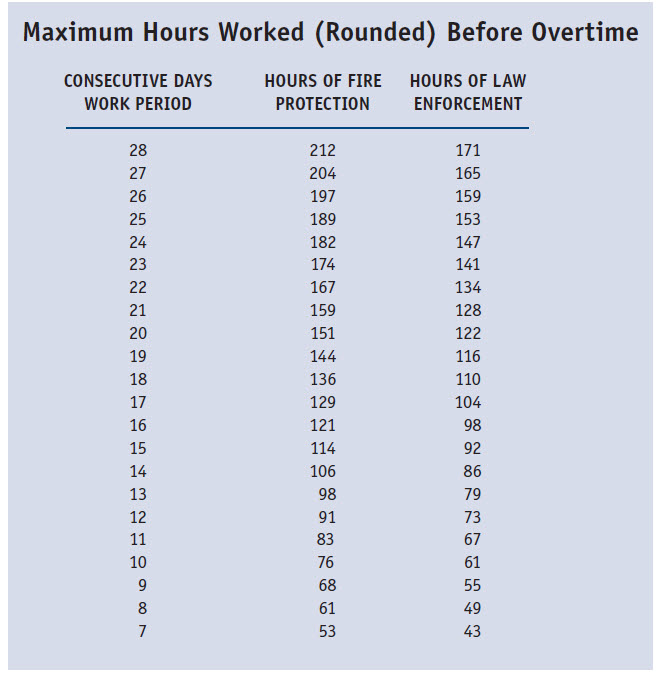
Non-exempt employees must receive overtime pay. They get paid extra for hours worked beyond 40 per week. This group often includes clerical and technical workers.
Knowing the difference helps avoid wage disputes. Tennessee follows federal standards but may have specific state rules.
Criteria For Salary Basis
To be salaried, employees must meet salary basis rules. They must earn a fixed amount each pay period. This amount cannot drop based on hours worked.
The salary must meet or exceed a minimum set by law. This ensures fair pay and limits misuse of salaried status. Employers must check these criteria carefully.
Failing to meet salary basis rules can change an employee’s classification. This could mean owing overtime pay or penalties.

Credit: www.laborlawcenter.com
Overtime Rules And Pay
Overtime rules and pay in Tennessee protect salaried employees from unfair work hours. These rules ensure employees receive extra pay for extra work. Knowing these rules helps workers understand their rights and pay.
Overtime Eligibility
Not all salaried employees qualify for overtime pay. Federal law sets rules about who is eligible. Generally, employees paid on salary must earn under a certain amount to get overtime. Jobs with certain duties may also be exempt from overtime. Employers must follow these rules strictly to avoid fines.
Calculation Of Overtime Wages
Overtime pay is usually one and a half times the normal rate. For salaried employees, this means calculating hourly pay from the salary first. The salary divides by total hours worked in a week to find the hourly rate. The overtime rate applies to hours over 40 in a week. Accurate calculation ensures fair pay for extra hours.
Leave And Time Off Policies
Leave and time off are important for salaried employees in Tennessee. These policies help workers rest, care for family, and handle emergencies. Understanding your rights ensures you get the time off you need without problems.
Paid Time Off Rights
Tennessee does not require employers to offer paid time off (PTO). Most companies decide their own PTO rules. Check your employment contract or company handbook for details. Employers often combine sick leave, vacation, and personal days into PTO.
Some employers allow PTO to carry over to the next year. Others have use-it-or-lose-it policies. Know your company’s rules to avoid losing earned time off.
Family And Medical Leave
Tennessee follows the federal Family and Medical Leave Act (FMLA). Eligible employees can take up to 12 weeks of unpaid leave per year. This leave covers serious health conditions, childbirth, or caring for a family member.
To qualify, employees must work at a company with 50 or more employees. They also need at least 12 months of service and 1,250 hours worked in the past year. FMLA protects your job while you are on leave.

Credit: cronelawfirmplc.com
Workplace Protections And Benefits
Workplace protections and benefits are essential for salaried employees in Tennessee. They ensure safety, fairness, and respect at work. These laws help create a healthy work environment. Employees can perform their duties without fear of harm or discrimination.
Tennessee has rules to protect workers’ rights. These rules cover many areas, including fair treatment and safe working conditions. Understanding these protections helps employees know their rights and employers their duties.
Anti-discrimination Laws
Tennessee enforces laws that prevent discrimination at work. Employers cannot treat employees unfairly due to race, gender, age, or religion. These laws apply to hiring, promotions, and job duties.
Employees have the right to report discrimination without fear of punishment. The state works to ensure equal opportunity for everyone. This creates a respectful workplace for all salaried workers.
Health And Safety Regulations
The state follows federal safety rules to protect workers. Employers must keep workplaces free from hazards. Regular safety training and equipment are often required.
Employees should know about potential risks in their jobs. They must have a safe place to work every day. Tennessee also requires reporting of injuries to improve safety standards.
Credit: www.mtas.tennessee.edu
Frequently Asked Questions
What Are The Salary Requirements For Exempt Employees In Tennessee?
Exempt employees must earn at least $684 per week to qualify for exemption from overtime. This follows the federal Fair Labor Standards Act rules. Tennessee does not have separate state rules for this.
Do Salaried Employees Get Overtime Pay In Tennessee?
Most salaried employees classified as exempt do not get overtime pay. Non-exempt salaried employees must receive overtime for over 40 hours worked per week. Classification depends on job duties and salary level.
How Does Tennessee Law Protect Salaried Workers’ Wages?
Tennessee law requires employers to pay agreed salaries in full and on time. Unauthorized deductions from salary are generally not allowed. Workers can file complaints with the state if wages are withheld.
Can Salaried Employees Take Unpaid Breaks Under Tennessee Law?
Tennessee does not require employers to provide breaks or meal times for salaried workers. Employers may set break policies, but unpaid breaks are allowed if the employee does not work during that time.
Conclusion
Understanding Tennessee labor laws helps salaried employees know their rights. These laws protect wages, hours, and work conditions. Employees can avoid confusion and unfair treatment by learning the rules. Employers must follow these laws to keep the workplace fair. Stay informed to ensure a safe and respectful job environment.
Knowing your rights is the first step toward fair work practices. Keep this information handy for future reference. Your work matters, and the law is here to support you.

Ismail Hossain is the founder of Law Advised. He is an Divorce, Separation, marriage lawyer. Follow him.