What are the Concealed Carry Laws in Tennessee: Essential Guide 2026
Are you thinking about carrying a concealed firearm in Tennessee? Before you do, it’s important to know the laws that affect you.
Understanding these rules can protect your rights and keep you out of trouble. You’ll get clear, straightforward answers about what’s allowed, what’s not, and how to stay safe and legal. Keep reading to make sure you’re fully prepared and confident about carrying concealed in Tennessee.

Credit: www.concealedcarry-ed.com
Tennessee Carry Permit Types
Tennessee offers different ways to carry a handgun. Understanding the permit types helps you follow the law. The state allows both permit holders and some permitless carry options. Each type has specific rules and requirements.
Knowing these types ensures you carry safely and legally. This section explains the main permit types and who can use them.
Handgun Carry Permits
Tennessee issues Handgun Carry Permits (HCP) to qualified residents. This permit allows you to carry a handgun openly or concealed. The state offers permits for both residents and non-residents.
With an HCP, you can carry in most public places. Some locations still restrict handgun carry even with a permit. The permit is valid for eight years and must be renewed.
Permitless Carry Rules
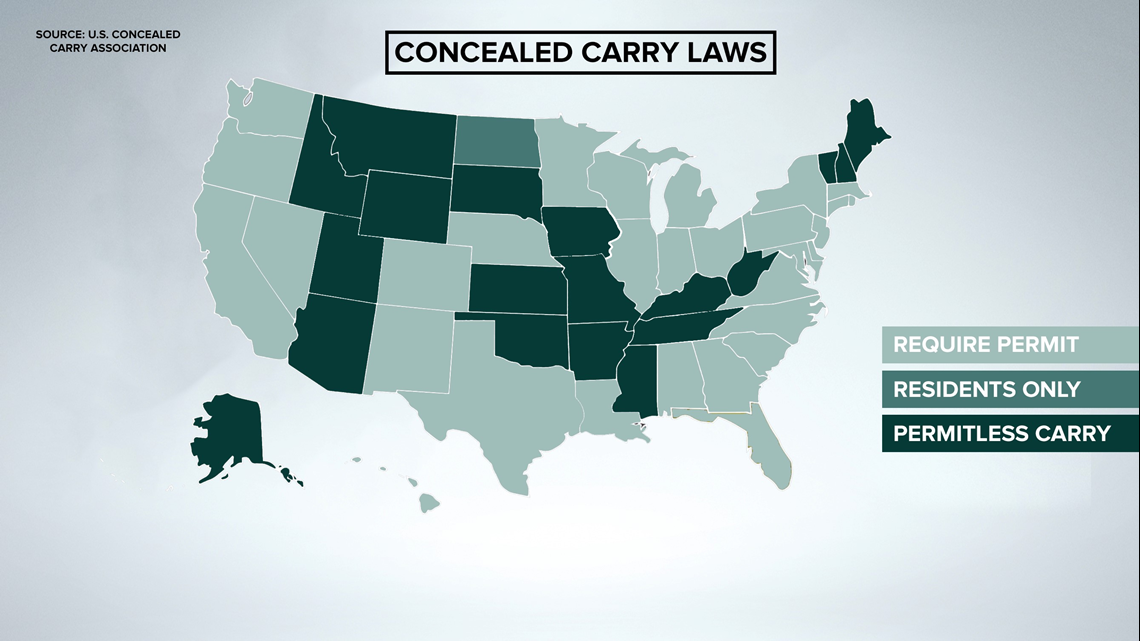
Since July 1, 2021, Tennessee allows permitless carry for most adults. Anyone 21 or older can carry a handgun openly or concealed. This rule applies only to handguns, not other weapons.
Permitless carry means you do not need an HCP to carry. Certain restrictions still apply, like no carry in schools or government buildings. Always check local laws before carrying without a permit.
Eligibility Criteria
To get a Handgun Carry Permit, you must meet these rules:
- Be at least 21 years old (or 18 for military members)
- Be a U.S. citizen or legal resident
- Not have felony convictions or serious misdemeanors
- Not be under a restraining order or mental health hold
- Complete a firearms safety course
Applicants provide fingerprints and pass a background check. Meeting these criteria helps keep Tennessee safe for everyone.
Application Process
The application process for a concealed carry permit in Tennessee is straightforward. Applicants must follow clear steps to apply correctly. Understanding these steps helps avoid delays or denials.
The process starts with gathering the right documents. Then, the applicant undergoes a background check. Finally, fees must be paid, and the permit’s validity period is set.
Required Documentation
Applicants need a valid Tennessee driver’s license or ID. Proof of residency in Tennessee is required. Applicants must provide a certificate of handgun safety training. A passport-style photo is also needed. All documents must be current and accurate.
Background Checks
Tennessee law requires a thorough background check. The state checks criminal history and mental health records. Felony convictions or restraining orders disqualify applicants. Background checks ensure public safety and legal compliance.
Fees And Validity
The application fee is $100 for residents. Non-residents pay $200. The permit lasts for eight years. Renewal requires a new application and fee. Fees cover processing and background checks.
Legal Restrictions
Tennessee has clear legal rules about carrying concealed weapons. These rules protect the public and guide gun owners on safe and legal use. Understanding these laws helps avoid penalties and ensures responsible gun ownership.
The state sets limits on where guns can be carried, how force can be used, and how firearms must be transported. These restrictions keep everyone safer and respect property rights.
Prohibited Locations
Certain places do not allow concealed guns in Tennessee. These include schools, government buildings, and some private properties. Carrying a weapon in these areas can lead to serious legal trouble. Always check local rules before entering sensitive places.
Use Of Force Laws
Tennessee law allows self-defense but with limits. A person can use force only if they feel threatened or in danger. Deadly force is allowed only to stop serious harm or death. The law expects people to act reasonably and avoid violence whenever possible.
Transporting Firearms
When moving guns, Tennessee has rules for safety and visibility. Firearms should be unloaded and stored in a case or locked container. Keeping guns out of reach while driving is important. Following these rules prevents accidents and legal issues.
Credit: www.wbir.com
Recent Law Changes For 2026
Tennessee has updated its concealed carry laws for 2026. These changes affect how residents carry firearms in public. Understanding the new rules is important for staying safe and legal.
The updates bring clearer guidelines and new responsibilities for gun owners. They also impact law enforcement procedures. Everyone who carries a concealed weapon should know what has changed.
New Carry Regulations
The state now allows permitless carry for adults 21 and older. This means you do not need a permit to carry a concealed handgun. Some restrictions still apply, such as in schools and government buildings.
Permit holders must follow updated training and renewal requirements. The state improved background checks for permit applicants. These rules aim to keep guns away from dangerous people.
Impact On Residents
Residents can carry firearms more freely under the new laws. Those with permits should check renewal dates and training updates. New rules encourage responsible gun ownership.
People should know where they can and cannot carry. Public places like bars and private property may have specific rules. Always respect posted signs and local laws.
Enforcement Updates
Law enforcement officers received new guidelines on how to enforce carry laws. They focus on clear communication and safety. Officers will check for compliance with permit rules when needed.
The state increased penalties for illegal carrying in restricted areas. This helps protect public safety and prevents misuse. Cooperation between citizens and police is key to smooth enforcement.

Credit: www.tn.gov
Frequently Asked Questions
What Are The Basic Requirements For Concealed Carry In Tennessee?
Tennessee requires applicants to be at least 21 years old and pass a background check. They must also complete a firearms safety course. Residency in Tennessee is not mandatory to apply.
Where Is Concealed Carry Not Allowed In Tennessee?
Concealed carry is banned in schools, government buildings, and private properties with posted no-gun signs. Casinos and bars also prohibit carrying firearms. Always check local rules before carrying.
Can Non-residents Get A Tennessee Concealed Carry Permit?
Yes, Tennessee issues permits to non-residents who meet the same requirements as residents. This allows non-residents to carry concealed within the state legally. It helps travelers and visitors carry safely.
How Long Is A Tennessee Concealed Carry Permit Valid?
A Tennessee concealed carry permit is valid for eight years. Renewal requires submitting an application and passing another background check. Early renewal is allowed up to 180 days before expiration.
Conclusion
Tennessee’s concealed carry laws set clear rules for gun owners. You must follow the state’s permit and safety requirements. Knowing these laws helps keep you and others safe. Always carry your permit when you have a concealed weapon. Stay updated on any changes in the law.
Respect public places where guns are not allowed. Being responsible shows you understand the importance of safety. Carrying a gun means knowing and obeying Tennessee’s laws fully. Stay informed and protect yourself wisely.

Ismail Hossain is the founder of Law Advised. He is an Divorce, Separation, marriage lawyer. Follow him.