
Abandoned Property Laws in Michigan: Essential Guide for Owners
Have you ever come across a property that looks empty and forgotten? Maybe you’ve wondered what happens to places left behind by their owners.
If you’re dealing with an abandoned property in Michigan or curious about your rights and responsibilities, understanding the state’s abandoned property laws is essential. These laws can affect you in surprising ways—whether you’re a homeowner, investor, or just someone interested in local real estate.
Keep reading to discover what you need to know to protect yourself and make smart decisions when it comes to abandoned properties in Michigan.
Michigan Abandoned Property Basics
Understanding abandoned property laws in Michigan starts with the basics. These laws help protect both property owners and the community. They explain what counts as abandoned property and what happens next. Knowing these basics helps avoid legal troubles and confusion.
Definition Of Abandoned Property
Abandoned property in Michigan means property left without care or use. The owner does not show any interest in it. This can include homes, land, or personal belongings. The law looks at how long the property is unused. It also checks if the owner has tried to keep or sell it. If not, the property may be called abandoned.
Common Causes Of Abandonment
Many reasons lead to property abandonment in Michigan. Sometimes owners move away and leave property behind. Financial problems can cause owners to stop paying bills or taxes. Other times, owners may pass away without heirs. Natural disasters or damage can also cause abandonment. Each cause affects how the law treats the property.

Credit: www.kreisenderle.com
Legal Rights Of Property Owners
Property owners in Michigan have clear legal rights under abandoned property laws. These laws protect owners from losing their property unfairly. Owners also have duties to keep their property safe and well-maintained. Understanding these rights helps owners avoid legal troubles.
Owner Responsibilities
Owners must regularly check on their property. They need to keep it secure and clean. Removing hazards prevents accidents and legal claims. Owners should pay property taxes on time. Failure to pay can lead to losing the property. Reporting any changes in property status to authorities is important. This keeps ownership records accurate and updated.
Protection Against Unlawful Claims
Michigan law protects owners from false claims on their property. The law requires claimants to prove ownership clearly. Owners can challenge any unlawful attempts to take their property. Legal steps exist to remove trespassers or squatters. Courts often favor registered owners with proper documentation. Owners should keep all property documents safe. These include deeds, tax receipts, and inspection reports.
Steps To Reclaim Abandoned Property
Reclaiming abandoned property in Michigan involves clear steps. Each step helps protect your rights and meets legal rules. Follow these steps carefully to avoid problems and claim what is rightfully yours.
Notice Requirements
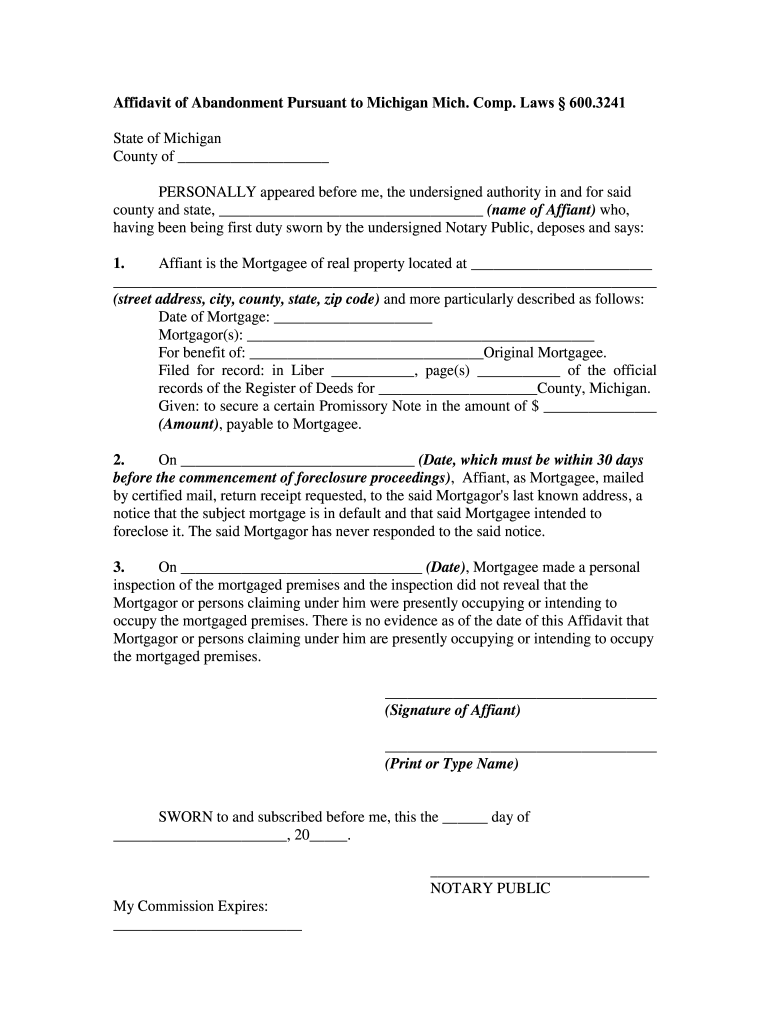
Start by giving proper notice about the abandoned property. Michigan law requires you to inform the owner and any interested parties. This notice must be clear and sent to the last known address. It tells them you plan to reclaim the property. The notice usually includes details about the property and a deadline to respond.
Filing A Claim
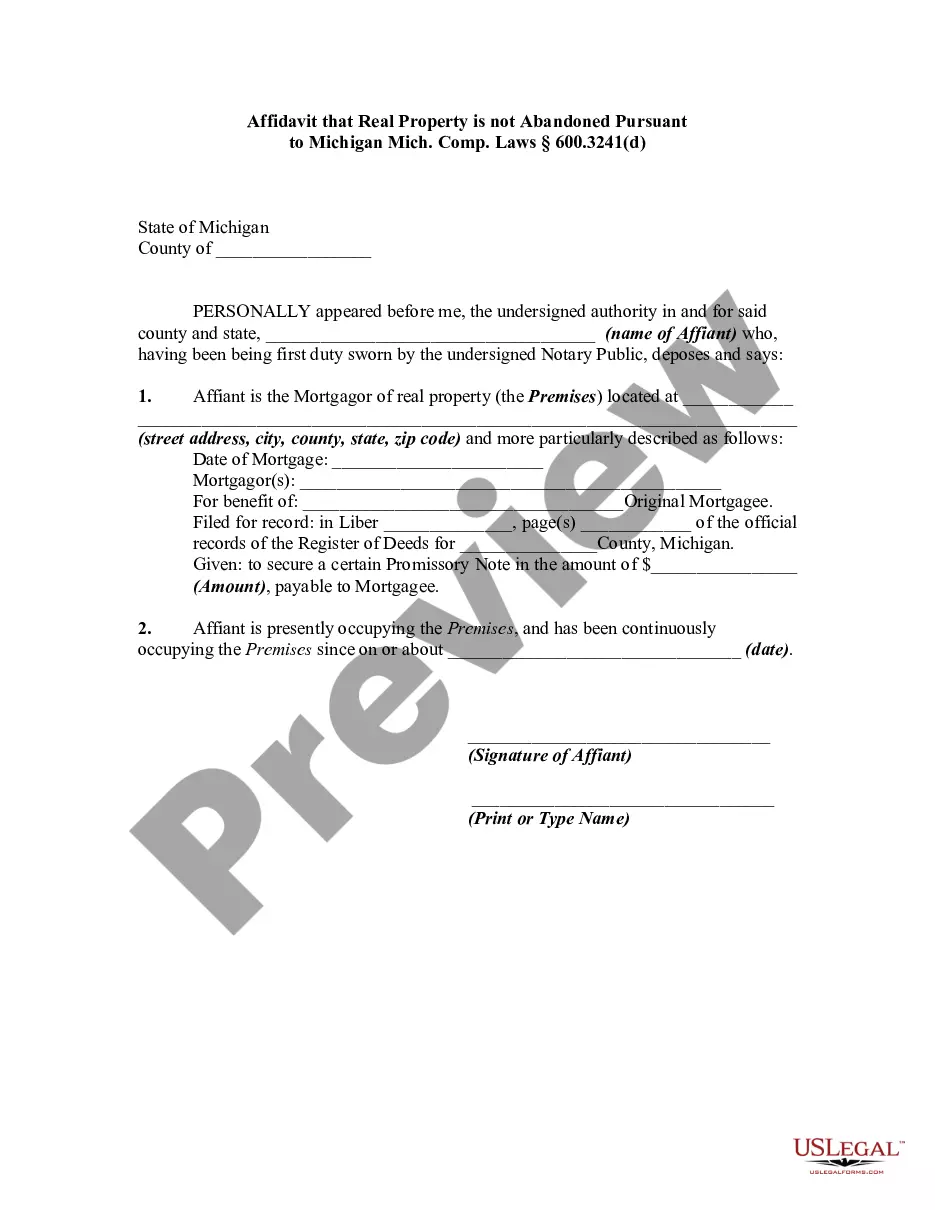
After sending notice, you must file a formal claim. File this claim with the local court or government office. Provide proof that you sent the notice and waited the required time. The court reviews your claim and may hold a hearing. If approved, you gain legal rights to the property. Keep all documents safe for future reference.
Credit: www.uslegalforms.com
Dealing With Liens And Taxes
Dealing with liens and taxes is a key part of handling abandoned property in Michigan. Unpaid taxes and liens can complicate ownership transfer. Knowing the legal steps helps clear these issues properly. Understanding tax foreclosure and liens ensures a smooth process.
Tax Foreclosure Process
Michigan allows counties to foreclose on properties with unpaid taxes. The process starts after taxes remain unpaid for three years. The county sends notices to the property owner. If taxes stay unpaid, the county can sell the property at auction.
Buyers at auction get a deed but must pay off back taxes. The original owner can redeem the property by paying all owed taxes and fees. After redemption period ends, the new owner gains full rights. This process prevents tax debt from lingering indefinitely.
Handling Outstanding Liens
Liens are legal claims against a property for unpaid debts. Common liens include mortgages, utility bills, and contractor fees. These liens remain even if the property is abandoned. Buyers must check for liens before purchasing.
Clearing liens requires paying the debt or negotiating with lien holders. Some liens may take priority over others. A title search helps identify all liens on the property. Removing liens clears the title and allows for a clean sale.
Preventing Property Abandonment
Preventing property abandonment is essential for owners and communities in Michigan. It keeps neighborhoods safe and preserves property value. Many factors lead to abandonment, but property owners can take simple steps to avoid it. Understanding local laws and resources helps manage properties better. Staying active in property upkeep shows responsibility and care.
Maintaining Property Value
Regular maintenance stops properties from losing value. Simple acts like mowing the lawn and fixing leaks help. Clean and safe homes attract good neighbors and buyers. Leaving a property empty without care can cause damage quickly. Preventing vandalism and pest problems protects the investment. Small efforts today avoid big repair costs later.
Community And Legal Resources
Michigan offers support for property owners facing challenges. Local governments provide advice and programs for upkeep. Legal help guides owners through abandonment laws and rights. Community groups often help with cleanups and repairs. Using these resources keeps properties in good shape. Staying informed avoids fines and legal troubles.
Credit: www.signnow.com
Frequently Asked Questions
What Defines Abandoned Property Under Michigan Law?
Abandoned property in Michigan is real estate left unoccupied and neglected for a long time. The owner shows no interest in maintaining or claiming the property. Local laws set specific time frames and conditions for this status.
How Can I Claim Abandoned Property In Michigan?
You may claim abandoned property by following legal steps like notifying the owner and local authorities. Filing a petition with the court is often required. Proof of abandonment and good faith is essential to succeed.
What Responsibilities Do Owners Have For Abandoned Property?
Owners must maintain their property and pay taxes even if it is unused. Failure to do so can lead to penalties or loss of ownership. Local governments may take control to prevent hazards.
Can Abandoned Property Be Sold Or Auctioned In Michigan?
Yes, local governments can sell or auction abandoned properties to recover unpaid taxes. Buyers must follow legal procedures and often get the property “as-is. ” This process helps return properties to productive use.
What Are The Risks Of Buying Abandoned Property In Michigan?
Buying abandoned property can involve hidden debts, liens, or needed repairs. It is important to research the title and condition before purchase. Legal advice helps avoid costly surprises.
Conclusion
Understanding Michigan’s abandoned property laws helps protect your rights. These rules guide what happens to unused or neglected properties. Knowing the steps to take avoids legal trouble and confusion. Property owners and buyers both benefit from clear information. Stay informed to make smart decisions about abandoned properties.
This knowledge supports safer communities and fair property use. Keep these laws in mind when dealing with abandoned property matters. It’s always better to be prepared and aware.

Ismail Hossain is the founder of Law Advised. He is an Divorce, Separation, marriage lawyer. Follow him.