Apartment Security Camera Laws in New York State: What You Must Know
Are you thinking about installing security cameras in your apartment in New York State? Before you do, it’s important to understand the laws that protect your privacy—and the privacy of your neighbors.
Knowing what’s legal and what’s not can save you from costly mistakes and keep you safe. This article will guide you through the key rules about apartment security cameras in New York, so you can protect your home without crossing any legal lines.
Keep reading to make sure your security setup is both smart and lawful.
Credit: www.deepsentinel.com
Legal Rules For Apartment Cameras
Apartment security cameras offer peace of mind to many residents. Knowing the legal rules helps avoid privacy issues and legal trouble. New York State has clear laws about where and how cameras can be used in apartments. Understanding these rules ensures you respect others’ privacy while protecting your home.
Where Cameras Are Allowed
Cameras can be placed in private apartments without restrictions. Common areas like hallways or lobbies often have building cameras. Tenants should avoid placing cameras in shared spaces where people expect privacy. Bathrooms, bedrooms of other tenants, and changing rooms are off-limits. Always respect neighbors’ privacy when choosing camera locations.
Consent Requirements
New York law usually requires consent to record in private spaces. Apartment owners must inform tenants about any security cameras in shared areas. Tenants should get permission before installing cameras in common spots. Recording neighbors without consent can lead to legal action. Clear communication avoids misunderstandings and keeps peace.
Recording Audio Restrictions
Recording audio with cameras is heavily restricted in New York. The state is a “two-party consent” place for audio recording. This means all recorded people must agree to audio capture. Cameras that record sound without consent are illegal. Focus on video-only cameras to stay within the law and respect privacy.
Tenant Rights And Privacy
Tenant rights and privacy are important in New York State apartments. Tenants have a right to feel safe without losing their privacy. Laws protect tenants from unwanted surveillance by landlords or others.
Understanding these laws helps tenants know their limits and rights. It clarifies what landlords can and cannot do with security cameras in apartments.
Privacy Expectations In Apartments
Tenants expect privacy inside their homes. This means landlords cannot place cameras in private spaces like bedrooms or bathrooms. Common areas such as hallways may have cameras, but they must not invade personal privacy.
Privacy laws protect tenants from hidden or secret cameras. Tenants can expect their daily activities to remain private inside their rented space.
Limitations On Landlord Surveillance
Landlords must follow strict rules about security cameras. They cannot install cameras inside a tenant’s apartment without permission. Cameras should only cover public or shared areas.
Landlords must inform tenants if cameras are in common spaces. They cannot use cameras to spy on tenants or invade their privacy.
Tenant Use Of Security Cameras
Tenants may install security cameras inside their own apartments. They do not need landlord approval for cameras inside their rental unit. Cameras must not record neighbors or common areas without consent.
Tenants should place cameras where they only capture their own property. Respecting others’ privacy helps maintain good relationships with neighbors and landlords.
Landlord Responsibilities
Landlords in New York State must follow specific rules about security cameras in apartments. These rules protect tenant privacy and ensure safety. Understanding these duties helps landlords avoid legal trouble and build trust with tenants.
Notifying Tenants About Cameras
Landlords must tell tenants if cameras are installed. This notice should include where cameras are placed. Tenants deserve to know about any surveillance in common areas. It must not invade tenant privacy inside their homes.
Maintaining Transparency
Landlords should keep clear communication about camera use. Explaining camera purpose helps tenants feel safe. Transparency builds respect between landlords and tenants. It also reduces misunderstandings about monitoring.
Consequences Of Violating Laws
Breaking camera laws can lead to serious penalties. Landlords may face fines or lawsuits. Privacy violations hurt tenant relationships and reputation. Following rules protects everyone’s rights and safety.

Credit: www.connextivity.com
Installing Cameras Safely
Installing security cameras in an apartment requires care. You must respect privacy and follow the law. Safe installation keeps everyone secure and avoids trouble. Knowing the right way to place cameras helps protect your home and neighbors.
Best Practices For Placement
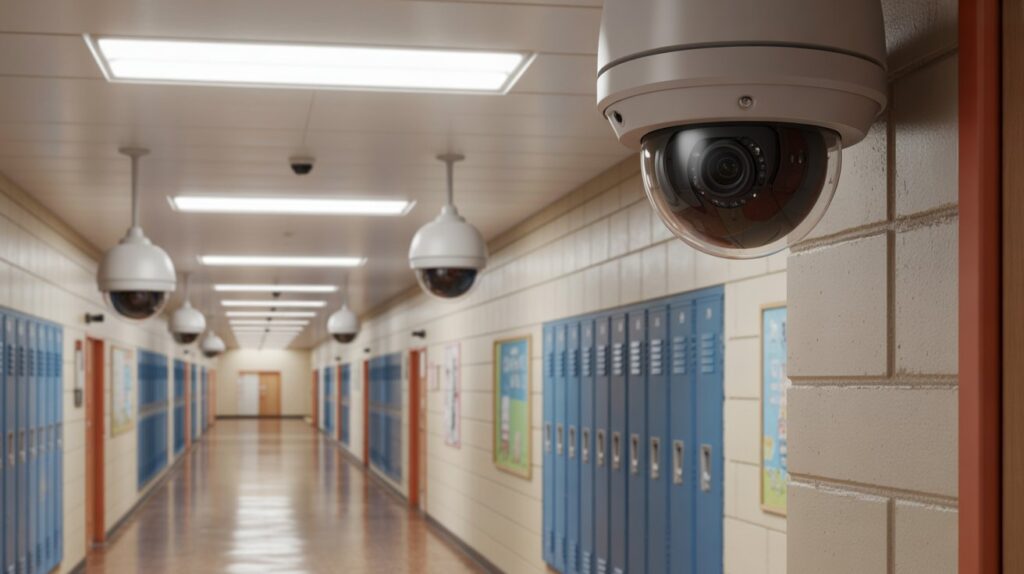
Place cameras only in common areas like entrances or hallways. Avoid pointing cameras inside private spaces such as bedrooms or bathrooms. Install cameras where they can see key points without invading privacy. Keep cameras visible to deter crime but not too obvious. Ensure cameras do not record audio unless allowed by law.
Avoiding Legal Risks
Know New York State laws about video recording. Do not record areas where people expect privacy. Inform tenants or visitors about camera use with clear signs. Do not use cameras to spy on neighbors or other tenants. Follow all rules about data storage and sharing footage. Avoid using cameras in ways that could lead to lawsuits.
Using Cameras To Enhance Security
Use cameras to monitor entrances and exits for safety. Check footage regularly to spot unusual activity early. Pair cameras with good lighting for clearer images. Share camera access only with trusted people. Use cameras as part of a broader security plan. Cameras help prevent crime but do not replace locks or alarms.
Credit: crimtechhub.com
Frequently Asked Questions
Can I Install Security Cameras Inside My New York Apartment?
Yes, tenants can install security cameras inside their own apartments. Cameras should not record neighbors or shared spaces to respect privacy laws.
Are Landlords Allowed To Put Cameras In Common Areas?
Yes, landlords can place cameras in common areas like hallways or lobbies. They must notify tenants and follow state privacy rules.
Is Audio Recording Legal With Apartment Security Cameras?
Audio recording is usually illegal without consent in New York. Most apartment cameras should only capture video to avoid legal issues.
Who Owns The Footage From Apartment Security Cameras?
Ownership depends on who installs the camera. Tenants own footage from their cameras; landlords own footage from building cameras.
Conclusion
Knowing New York State’s apartment camera laws helps you stay safe and legal. Cameras can protect your home and privacy. Always check where you can place cameras. Respect neighbors’ rights and privacy rules. Clear rules prevent misunderstandings and fines. Stay informed and follow the law closely.
Safety and respect go hand in hand. Keep your apartment secure and your community happy. Simple steps make a big difference.

Ismail Hossain is the founder of Law Advised. He is an Divorce, Separation, marriage lawyer. Follow him.