Assault And Battery Crimes Of Physical Violence: Essential Facts Uncovered
Have you ever wondered what exactly counts as assault and battery when it comes to physical violence? Understanding these crimes is crucial, especially if you or someone you know could be affected.
Knowing the difference between assault and battery can protect your rights and help you respond the right way if you face such a situation. You’ll discover clear explanations, real-life examples, and what steps you can take to stay safe and informed.
Keep reading to get the knowledge that could make all the difference.
Types Of Assault And Battery
Assault and battery are serious crimes involving physical harm or threats. Understanding their types helps identify what actions are illegal. These crimes differ based on intent, severity, and the harm caused. Knowing these differences is important for anyone wanting to stay safe and informed.
Simple Vs Aggravated Assault
Simple assault means threatening or trying to hurt someone without a weapon. It usually causes minor injuries or no injuries at all. This type is often a misdemeanor, which is less serious.
Aggravated assault involves using a weapon or causing serious harm. It can include attacks with knives, guns, or other dangerous objects. This crime is a felony and carries heavier penalties.
Elements Of Battery
Battery requires physical contact that is harmful or offensive. Touching someone without permission can count as battery. The harm does not need to be severe, but it must be intentional.
Battery can include hitting, punching, or unwanted touching. The key is that the act was done on purpose. Accidental contact usually does not qualify as battery.
Common Scenarios
Assault and battery happen in many places. Arguments that turn violent often lead to these crimes. Bar fights, road rage, and domestic disputes are common examples.
Sometimes, people use threats to scare others without touching them. Other times, physical attacks cause bruises or cuts. Knowing these scenarios helps people avoid danger.
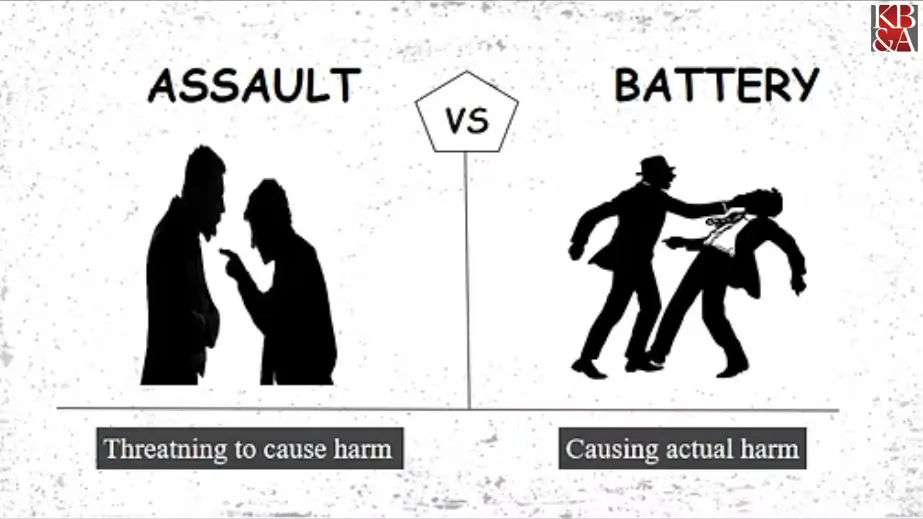
Credit: kevinbessantlaw.com
Legal Consequences
Assault and battery crimes involve intentional physical harm to another person. These acts carry serious legal consequences. Understanding these consequences helps to grasp the severity of such offenses.
The law treats assault and battery seriously. Convictions can lead to harsh punishments. These punishments aim to protect victims and deter future violence.
Criminal Penalties
Assault and battery can lead to jail or prison time. The length depends on injury severity and case facts. Fines and probation may also apply. Repeat offenses bring stricter penalties. Courts may order anger management or community service. The goal is to prevent more harm.
Civil Liabilities
Victims can sue for damages in civil court. These damages cover medical bills and pain suffered. The defendant may pay compensation for lost wages. Emotional distress claims can add to costs. Civil cases require proof of harm. This process is separate from criminal trials.
Impact On Criminal Record
A conviction appears on the offender’s criminal record. This record affects job opportunities and housing options. It may also impact child custody decisions. Some records can be expunged, but rules vary. Having a clean record is important for future life.
Defenses Against Charges
Defending against assault and battery charges requires understanding key legal defenses. These defenses can reduce or dismiss the charges. Knowing these options helps protect your rights. Each case is unique, so defenses vary.
Self-defense Claims
Self-defense means protecting yourself from harm. You must prove you faced immediate danger. Your response should be reasonable and not excessive. Using force to stop an attack is allowed. Courts look at the situation closely.
Consent And Mutual Combat
Consent means both parties agreed to the physical act. Sports like boxing involve mutual consent to some violence. Mutual combat happens when both sides fight willingly. This can reduce or remove criminal charges. The law checks if both parties participated.
Lack Of Intent
Intent means planning to cause harm. Lack of intent means harm was accidental. Showing no plan to hurt can weaken the case. Mistakes or accidents happen without bad intent. The court reviews evidence to decide intent.

Credit: tulsa-criminallawyers.com
Prevention And Safety Tips
Preventing assault and battery requires awareness and practical steps. Safety begins with recognizing risky situations early. Small actions can stop violence before it starts.
Knowing how to act in tense moments helps keep people safe. Learning where to get help supports victims and communities. Resources are available to guide and protect those in danger.
De-escalation Techniques
Stay calm during conflicts to reduce tension. Speak softly and clearly to avoid anger. Use simple words to explain your feelings. Avoid making threats or sudden moves. Listen carefully to the other person’s words. Take deep breaths to control your emotions. Step back or leave if the situation worsens. These steps can stop fights from happening.
Seeking Help And Reporting
Contact police if you feel unsafe or threatened. Tell a trusted friend or family member about the incident. Keep records of any threats or injuries. Report assaults quickly to help authorities act. Use emergency numbers in urgent cases. Asking for help can save lives and stop further harm. Do not ignore signs of abuse or violence.
Community Resources
Many groups offer support to victims of violence. Hotlines provide advice and crisis support 24/7. Shelters offer safe places for people in danger. Counseling helps heal emotional and physical wounds. Local law enforcement can give safety information. Community centers often run self-defense classes. Use these resources to build a safer environment for all.

Credit: www.mosesandrooth.com
Frequently Asked Questions
What Is The Difference Between Assault And Battery?
Assault means threatening or trying to hurt someone. Battery means actually hitting or touching someone in a harmful way.
Can Assault And Battery Be Charged Together?
Yes, both can be charged if someone threatens and then harms another person physically.
What Are Common Examples Of Assault And Battery?
Threatening to hit someone is assault. Punching or pushing someone is battery.
What Are Possible Punishments For Assault And Battery?
Punishments may include fines, jail time, or probation depending on the injury and case details.
Is Self-defense A Valid Reason For Battery Charges?
Using reasonable force to protect yourself can be a defense against battery charges.
How Can Victims Report Assault And Battery Crimes?
Victims should contact the police immediately to report the incident and seek help.
Conclusion
Assault and battery crimes cause serious harm and legal trouble. Knowing the differences helps you understand the law better. Victims should seek help and report violence quickly. Defendants need proper legal advice to protect their rights. Staying informed can prevent misunderstandings and ensure safety.
Everyone deserves respect and physical safety in daily life. Awareness of these crimes supports stronger communities and justice. Stay alert, stay safe, and know your rights well.

Ismail Hossain is the founder of Law Advised. He is an Divorce, Separation, marriage lawyer. Follow him.