Concealed Carry Laws in New York: What You Must Know Today
If you’re thinking about carrying a concealed firearm in New York, it’s crucial to understand the laws that affect you. New York’s concealed carry rules are strict and can be confusing.
Knowing what’s allowed—and what’s not—can protect you from serious legal trouble. This article breaks down the key points you need to know, so you can carry confidently and stay within the law. Keep reading to learn how to navigate New York’s concealed carry laws and keep yourself safe.

Credit: www.usconcealedcarry.com
Permit Requirements
New York has strict rules for carrying a concealed weapon. To carry a gun, you must get a permit. The state requires you to follow certain steps to apply for and keep this permit. Understanding these rules helps you stay within the law.
Eligibility Criteria
Applicants must be at least 21 years old. They must live in New York State. No felony convictions are allowed. The applicant must have good moral character. Background checks are mandatory. Mental health records are also reviewed. Proof of a safe reason to carry may be required.
Application Process
Start by filling out the application form. Submit it to the county sheriff or local police. Provide fingerprints for a background check. Include proof of residency and identity. You may need to attend an interview. Some counties require training courses. Wait time varies based on location.
Fees And Renewals
Application fees range from $10 to $140. Fees depend on the issuing county. Renewal is required every five years. Renewals also need a new background check. Late renewals may require reapplication. Keep your permit current to avoid penalties.
Restrictions And Prohibited Areas
New York has strict rules about where and how you can carry a concealed firearm. These laws protect public safety but can be complex. Knowing the restrictions helps avoid serious legal trouble.
Where You Can’t Carry
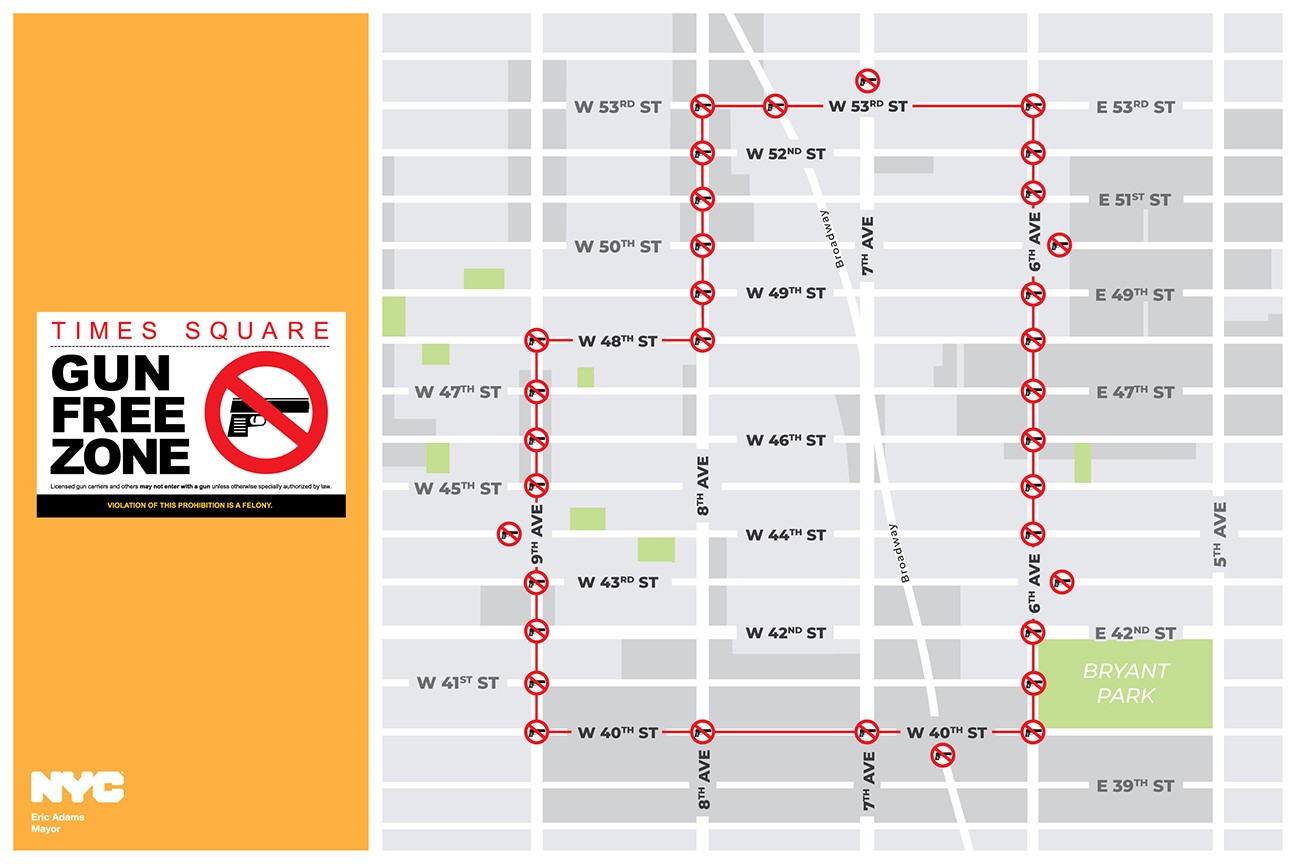
Carrying a concealed firearm is banned in many places. Schools and government buildings do not allow any guns. Airports and public transportation are also off-limits. Bars and places that serve alcohol often forbid firearms. Private properties can set their own rules too. Always check local signs and rules before carrying.
Firearm Types Allowed
New York limits the types of guns you can carry concealed. Handguns are usually allowed with a proper license. Long guns, like rifles or shotguns, have different rules. Some weapons, such as assault-style rifles, are banned. Make sure your firearm meets state requirements before carrying.
Transporting Firearms
Transporting guns in New York has specific rules. Firearms must be unloaded and locked in a container. Ammunition should be stored separately. Keep the gun out of reach from the driver and passengers. Follow these rules whether driving or using public transport. Safe transport helps avoid legal problems.
Legal Responsibilities
Carrying a concealed weapon in New York comes with serious legal duties. Understanding these duties helps keep you and others safe. The law sets clear rules on how to carry and use a weapon properly. These rules protect everyone and help avoid trouble with the law.
Use Of Force Rules
New York law allows force only in self-defense. Force must be reasonable and necessary. You cannot use your weapon to threaten or intimidate. Deadly force is allowed only if your life is in danger. Always try to avoid conflict before using force.
Duty To Inform Officers
If a police officer stops you, you must tell them about your weapon. This helps the officer stay safe and act properly. Do not reach for your weapon unless asked. Stay calm and follow the officer’s instructions carefully.
Penalties For Violations
Breaking concealed carry laws leads to serious penalties. You can face fines, jail time, or both. Violations include carrying without a permit or improper use of force. Always obey the laws to avoid these consequences. The law treats violations very strictly.

Credit: www.usconcealedcarry.com
Recent Changes And Updates
New York’s concealed carry laws have seen important updates recently. These changes affect how residents carry firearms legally. Staying informed is key to following the law correctly.
New Legislation
The state passed laws tightening concealed carry rules. Applicants now face stricter background checks. Authorities demand more detailed information before issuing permits. Some areas added limits on where guns can be carried. These laws aim to improve public safety.
Court Rulings
Recent court decisions changed how laws apply. Some rulings struck down overly broad restrictions. Courts emphasized the right to carry in public. Others upheld rules protecting sensitive places. These cases shape the future of gun rights in New York.
Impact On Residents
Residents must adapt to new permit requirements. More paperwork and longer wait times are common. Some citizens feel safer with tighter controls. Others worry about losing freedoms. Knowing the updates helps avoid legal trouble.
Credit: www.nyc.gov
Frequently Asked Questions
What Are The Requirements For A Concealed Carry Permit In New York?
New York requires applicants to be at least 21 years old and pass a background check. Applicants must also complete a firearms safety course and show good cause for carrying.
Can I Carry A Concealed Weapon Without A Permit In New York?
No, carrying a concealed weapon without a permit is illegal in New York. Violators face serious criminal charges and penalties.
Where Is Concealed Carry Prohibited In New York?
Concealed carry is banned in schools, government buildings, and private properties that post no-gun signs. Always check local rules before carrying.
How Long Does It Take To Get A Concealed Carry Permit In New York?
Permit processing can take several months, depending on the county and background checks. Patience is important during the application process.
Conclusion
New York’s concealed carry laws are strict and detailed. Knowing these rules helps you stay safe and legal. Always follow the application process carefully. Carrying a firearm without the right permit can lead to serious trouble. Stay updated, as laws can change over time.
Respect the rules, and protect yourself responsibly. Understanding the law is the first step to safe carrying. Stay informed, stay prepared, and keep safety your top priority.

Ismail Hossain is the founder of Law Advised. He is an Divorce, Separation, marriage lawyer. Follow him.