
Custody Laws in Minnesota for Unmarried Parents: Essential Insights
If you’re an unmarried parent in Minnesota, understanding your rights and responsibilities can feel overwhelming. You want what’s best for your child, but custody laws can be confusing and hard to navigate.
This article will guide you through the key points you need to know about custody laws in Minnesota for unmarried parents. By the end, you’ll have a clearer picture of how custody decisions are made and what steps you can take to protect your relationship with your child.
Keep reading to learn what you need to do to secure your parental rights and create a stable future for your family.
Custody Rights For Unmarried Parents
Custody rights for unmarried parents in Minnesota can differ from those of married couples. The law treats parents without a marriage certificate differently. Understanding these rights helps parents protect their role in their child’s life. Courts focus on the child’s best interest in all custody decisions.
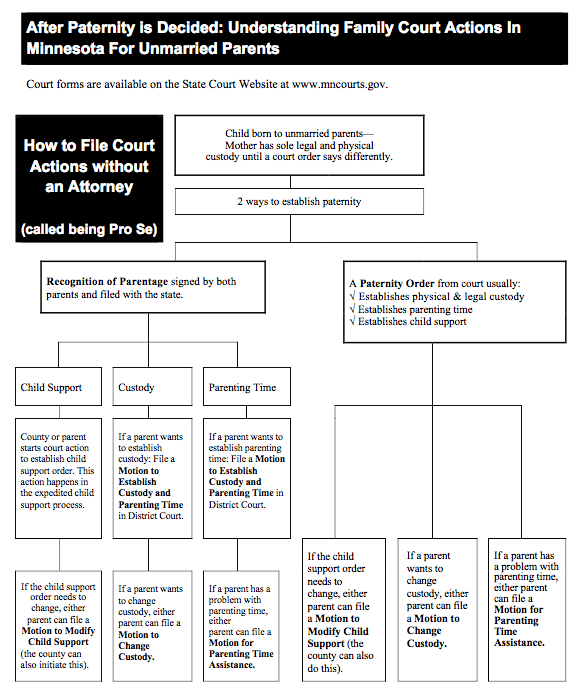
Unmarried parents must take specific legal steps to gain custody rights. Without these steps, the parent without custody may have limited legal rights. The process starts with establishing paternity. This step is crucial to prove who the child’s father is.
Establishing Paternity
Establishing paternity means legally identifying the child’s father. Minnesota allows paternity to be established voluntarily or through court action. A signed paternity affidavit is a common voluntary way. If the father’s name is on the birth certificate, paternity is presumed. Without paternity, the father has no legal rights or responsibilities. Establishing paternity opens the door to custody and visitation rights.
Legal Custody Vs Physical Custody
Legal custody means the right to make decisions about the child’s life. Decisions include education, health care, and religion. Physical custody refers to where the child lives. It determines who cares for the child daily. Parents can share legal custody but have different physical custody arrangements. Courts decide based on the child’s safety and well-being. Both types of custody can be shared or given to one parent.

Credit: hllawfirm.com
Factors Influencing Custody Decisions
Custody decisions for unmarried parents in Minnesota depend on several key factors. The court focuses on what benefits the child most. Each case is unique, and judges look closely at many details. Understanding these factors helps parents know what matters most in custody cases.
Child’s Best Interests
The child’s best interests guide every custody decision. Courts consider the child’s safety, health, and happiness. The child’s emotional and physical needs take top priority. Judges ask how each parent meets these needs. Stability and a loving environment are crucial for the child’s well-being.
Parental Involvement And Stability
Courts review each parent’s involvement in the child’s life. Regular care, support, and communication matter. Judges look for parents who provide steady routines. Stability helps children feel secure and loved. Consistent parenting and a safe home environment weigh heavily in decisions.
Steps To Secure Custody In Minnesota
Securing custody in Minnesota involves clear legal steps. Understanding these steps helps unmarried parents protect their parental rights.
The process starts with filing the right documents. It then moves through discussions and possibly court decisions. Each phase focuses on the child’s best interest.
Filing Custody Petitions
Begin by filing a custody petition in the county where the child lives. The petition states your request for custody or visitation. Include details about the child and your relationship.
Attach any proof showing your involvement in the child’s life. This can include financial support or time spent together. The court uses this information to understand your role.
After filing, the other parent receives a copy. They can then respond with their own requests or agreements.
Mediation And Court Procedures
Mediation is a required step before court hearings. A neutral mediator helps parents discuss custody issues. The goal is to reach an agreement without going to court.
If mediation fails, the case moves to court. A judge hears both sides and reviews evidence. The judge decides custody based on the child’s well-being.
Parents may need to attend several hearings. Each hearing allows both parents to present their case clearly.

Credit: www.roachlawmn.com
Credit: atticusfamilylaw.com
Frequently Asked Questions
How Is Custody Determined For Unmarried Parents In Minnesota?
Custody is based on the child’s best interests. Courts consider the child’s safety, health, and emotional needs.
Do Unmarried Parents Have Equal Custody Rights In Minnesota?
Unmarried parents do not have automatic custody rights. Fathers must establish paternity to gain legal rights.
Can Unmarried Parents Share Custody In Minnesota?
Yes, parents can share legal and physical custody. The court encourages cooperation for the child’s benefit.
What Factors Affect Custody Decisions For Unmarried Parents?
Courts look at parenting ability, child’s relationship with each parent, and living environment stability. The child’s wishes may also be considered.
Conclusion
Custody laws in Minnesota treat unmarried parents fairly. Both parents can seek custody and visitation rights. The court focuses on the child’s best interests. Establishing legal paternity is important for custody claims. Parents should try to agree on custody arrangements.
If they cannot, the court will decide. Knowing your rights helps you protect your child. Legal advice can guide you through the process. Stay informed and act in your child’s best interest. Custody decisions affect your child’s future. Keep communication open and prioritize their well-being.

Ismail Hossain is the founder of Law Advised. He is an Divorce, Separation, marriage lawyer. Follow him.