Video Recording Laws in Minnesota: Essential Rules You Must Know
Are you curious about what you can and cannot do when recording videos in Minnesota? Whether you’re capturing moments for fun, keeping an eye on your property, or documenting an important event, understanding video recording laws is crucial.
These rules can affect your privacy, your rights, and even your legal safety. Keep reading to discover exactly what you need to know to stay on the right side of the law and protect yourself while recording in Minnesota.

Credit: www.lasorsa.com
Minnesota’s Consent Requirements
Minnesota’s consent requirements for recording focus on protecting privacy. The law sets clear rules on when you can record conversations or videos. It is important to know these rules to avoid legal trouble.
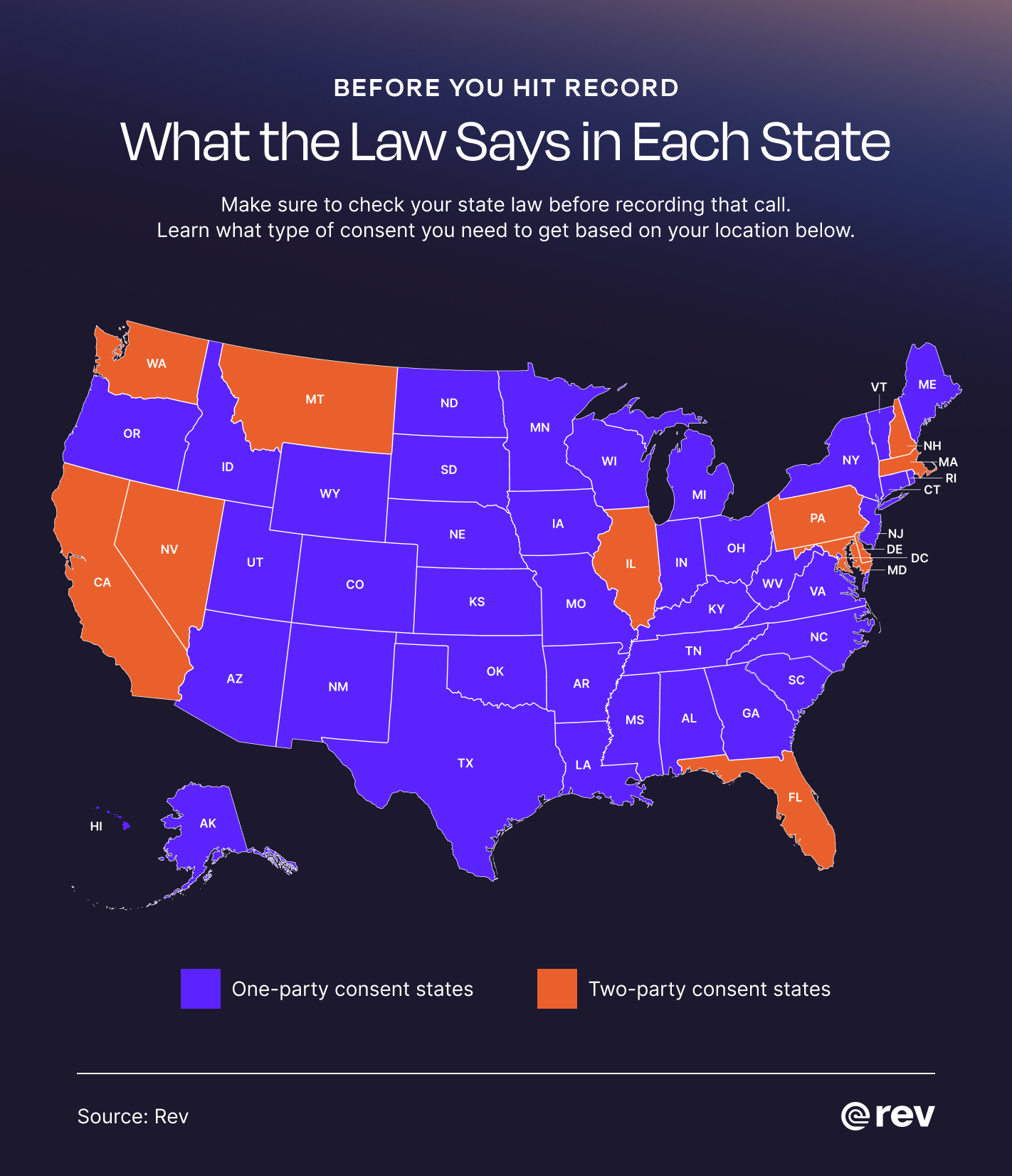
The state follows a “one-party consent” rule for audio recordings. This rule means only one person in the conversation must agree to the recording. That person can be the recorder. This law applies to most situations.
One-party Vs. Two-party Consent
Minnesota uses a one-party consent rule. This means you can record if you are part of the talk. You do not need permission from others in the conversation. Two-party consent means everyone agrees to the recording. Some states require this, but Minnesota does not.
One-party consent laws make recording easier for the person involved. But secretly recording others can still cause issues. Always think about privacy and respect before recording.
Implications For Audio And Video Recording
Audio recording is covered by the one-party consent rule. Video recording is treated differently. You can record video in public places without consent. But recording private areas needs permission. The law protects people’s private space and moments.
Recording audio and video together means following both sets of rules. If the video records sound, consent rules for audio apply. Always check the setting and what you record. Respect others’ privacy rights to stay within the law.
Public Vs. Private Spaces
Video recording laws in Minnesota differ based on the location. Public and private spaces have distinct rules about recording. Knowing these differences helps you respect privacy and stay legal. This section explains key points about video recording in public and private places.
Recording In Public Areas
In Minnesota, people can record video in public places freely. Public areas include parks, streets, and sidewalks. There is no expectation of privacy in these locations. Anyone in public can be recorded without permission. Recording law enforcement actions in public is also allowed. Yet, recording must not disrupt others or break other laws.
Expectations Of Privacy Indoors
Private spaces like homes, offices, and dressing rooms have strong privacy rules. People expect privacy indoors. Recording inside these areas usually needs consent. Secret recording can lead to legal trouble. Minnesota law protects conversations and actions in private spaces. Always ask for permission before recording inside private property. Respecting privacy indoors is important to avoid legal issues.
Legal Consequences And Exceptions
Understanding the legal consequences and exceptions of video recording laws in Minnesota is important. These laws protect privacy and set clear rules. Violating these rules can lead to serious penalties. Some exceptions apply to certain groups, like law enforcement and journalists. These rules balance privacy with public interest.
Penalties For Illegal Recording
Recording video without consent can lead to criminal charges. Minnesota law treats illegal recording as a misdemeanor or felony. Fines may reach thousands of dollars. Jail time is possible for serious offenses. Courts may also order the destruction of illegal recordings. Civil lawsuits can arise from privacy violations. Victims may seek damages for emotional harm. Penalties aim to discourage unlawful spying or harassment. Always seek permission before recording private conversations or areas.
Exceptions For Law Enforcement And Journalists
Law enforcement officers have limited rights to record during investigations. They must follow strict rules and obtain warrants when needed. Recording helps gather evidence and ensure public safety. Journalists have some protections when recording in public places. Their work supports freedom of speech and public awareness. However, journalists must avoid invading private spaces illegally. Both groups must respect privacy laws to avoid legal trouble. These exceptions do not give unlimited rights to record anyone anywhere.
Credit: www.rev.com
Credit: www.house.mn.gov
Frequently Asked Questions
Can I Legally Record Video In Public Places In Minnesota?
Yes, you can record videos in public areas where there is no reasonable expectation of privacy. Recording in public parks or streets is generally allowed.
Do I Need Consent To Record Audio With Video In Minnesota?
Minnesota requires consent from all parties to record audio. Without consent, recording audio along with video may be illegal.
Is It Legal To Record Video Inside Someone’s Home?
Recording video inside a private home without permission is illegal. Privacy laws protect people inside their homes from unauthorized recording.
Can Video Recordings Be Used As Evidence In Minnesota Courts?
Yes, video recordings can be used as evidence if obtained legally. Illegally recorded videos may be rejected by the court.
Conclusion
Understanding Minnesota’s video recording laws helps protect your rights. Always respect privacy rules and consent requirements. Recording in public places is usually allowed but watch for exceptions. Avoid recording where people expect privacy, like homes or bathrooms. Knowing these laws keeps you safe and responsible.
Stay informed to avoid legal problems and respect others. Recording videos can be useful but must be done legally. Keep these key points in mind when recording in Minnesota.

Ismail Hossain is the founder of Law Advised. He is an Divorce, Separation, marriage lawyer. Follow him.