How To Become A Licensed Private Investigator: Ultimate Step-by-Step Guide
Are you curious about how to become a licensed private investigator? Maybe you’ve always wanted a career where you can solve mysteries, uncover the truth, and help people.
Becoming a licensed private investigator opens the door to an exciting and rewarding job. But how do you get there? What steps do you need to take to make sure you’re legally qualified and ready for the challenges ahead? Keep reading, and you’ll discover exactly what you need to do to turn your interest into a real career.
This guide will walk you through every important detail, so you won’t miss a thing.

Credit: www.kinseyinvestigations.com
License Requirements
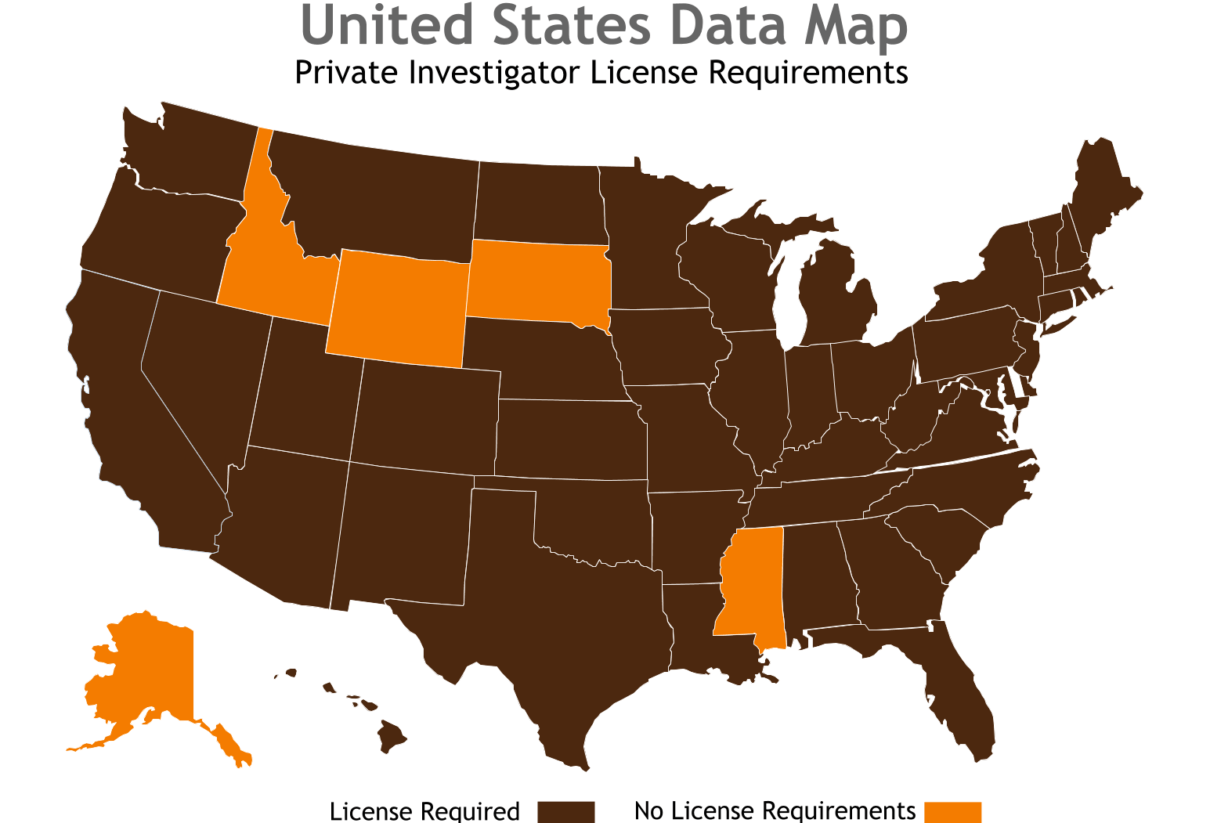
Becoming a licensed private investigator requires meeting specific rules. These rules vary by location and set the path to work legally. Understanding license requirements helps you prepare and succeed in your career.
State Regulations
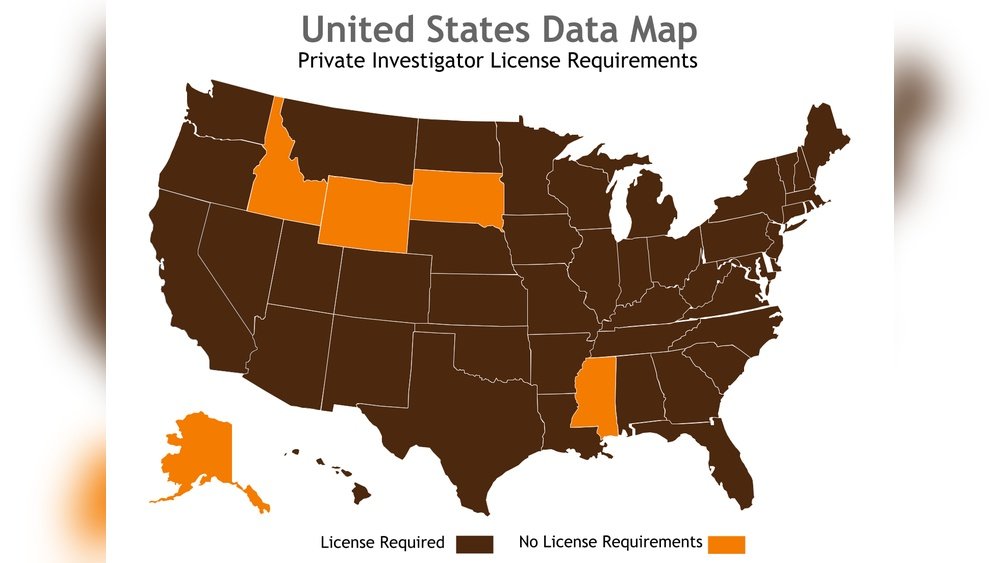
Each state has its own laws for private investigator licenses. You must follow the rules of the state where you want to work. These rules cover training, exams, and fees. Some states require a business license too. Check your state’s official website for exact details.
Education Criteria
Most states ask for a high school diploma or GED. Some require college courses related to law or criminal justice. Training programs may include classes on investigation techniques and ethics. You might also need to pass an exam to prove your knowledge.
Age And Background Checks
The minimum age to apply is usually 18 or 21 years old. A clean criminal record is very important. States perform background checks to ensure you have no serious crimes. This step helps keep the profession trustworthy and safe for clients.

Credit: www.pinow.com
Training And Skills
Training and skills form the foundation of a career as a licensed private investigator. Building the right abilities and gaining proper training prepares you to handle cases with confidence and accuracy. Each skill plays a role in solving problems and finding the truth effectively.
Essential Investigative Skills
Private investigators need sharp observation skills. Noticing small details can lead to big discoveries. Strong communication helps gather information from different sources. Critical thinking allows you to analyze facts and spot inconsistencies. Patience is key when tracking leads that take time. Being discreet keeps cases confidential and protects clients.
Formal Training Programs
Many states require formal training to become licensed. Training programs teach legal rules and investigative techniques. Some offer certificates after completing courses. These programs cover topics like surveillance, report writing, and ethics. Learning from experienced instructors builds a solid knowledge base. Training helps meet state licensing requirements efficiently.
On-the-job Experience
Experience gained in the field is invaluable. Working with a licensed investigator teaches practical skills. You learn how to use investigative tools and technology. Real cases improve your ability to solve problems quickly. Hands-on work builds confidence and sharpens your instincts. This experience often counts toward licensing hours.
Application Process
The application process is a key step in becoming a licensed private investigator. This process ensures candidates meet all legal and professional requirements. It involves several important stages that prepare you for the role.
Following each step carefully helps avoid delays. Understanding what is needed makes the process smoother. The goal is to submit a complete and accurate application.
Gathering Necessary Documents
Collect all required documents before starting the application. These usually include proof of identity, education, and work experience. Some states may ask for fingerprints or background check forms.
Check your state’s specific list to avoid missing items. Organize documents in order to save time. Accurate paperwork speeds up the review process.
Submitting Your Application
Complete the application form with clear and honest answers. Fill out every section carefully to prevent errors. Attach all required documents as instructed by your state agency.
Submit the application by mail or online, depending on state rules. Pay any required fees on time. Keep a copy of your application for your records.
Preparing For The Licensing Exam
Study topics covered in the exam such as laws, ethics, and investigation techniques. Use practice tests to check your knowledge. Focus on areas where you feel less confident.
Create a study schedule that fits your daily routine. Rest well before the exam day. Being prepared increases your chances of passing.
Starting Your Career
Starting your career as a licensed private investigator requires more than just a license. It needs effort, planning, and smart moves. Building your reputation takes time but is very important. You must create a strong foundation to attract clients and grow your business. Success comes from steady work and good connections in the field.
Building A Client Base
Clients are the heart of your private investigation work. Begin by offering services in your local area. Use simple advertising like flyers or online listings. Word of mouth is powerful; do good work to earn referrals. Tailor your services to solve common problems clients face. Stay professional and deliver results to keep clients coming back.
Networking And Professional Associations
Meet other investigators and related professionals. Join associations to access resources and support. Attend events to learn and share experiences. Networking opens doors to new jobs and partnerships. Being part of a group builds trust with clients and peers. It also keeps you updated on industry trends and laws.
Continuing Education And License Renewal
Learning does not stop after getting your license. Many states require continuing education to renew your license. Take courses on new investigation techniques and legal changes. This keeps your skills sharp and knowledge current. Regular renewal shows clients you follow rules and stay professional. Plan ahead to meet all education and renewal deadlines.
Credit: diligentiagroup.com
Frequently Asked Questions
What Are The Basic Requirements To Become A Licensed Private Investigator?
Most states require you to be at least 18 or 21 years old and have a clean criminal record. Some states ask for a high school diploma or GED. Work experience or training in law enforcement may also be needed.
How Long Does It Take To Get A Private Investigator License?
The licensing process usually takes a few weeks to a few months. It depends on your state’s rules and how fast you complete the application and background check.
Do I Need Special Education To Become A Private Investigator?
A college degree is not always required, but some training or courses in criminal justice help. Many private investigators learn on the job or attend short certification programs.
What Skills Are Important For Private Investigators?
Good observation, communication, and report-writing skills are key. Patience, critical thinking, and attention to detail also help solve cases effectively.
Can Private Investigators Work Without A License?
Most states require a license to work legally as a private investigator. Working without one can lead to fines or legal trouble.
How Much Does It Cost To Get A Private Investigator License?
Costs vary by state but usually range from $100 to $500. This includes application fees, background checks, and sometimes exam fees.
Conclusion
Becoming a licensed private investigator takes clear steps and patience. Study the requirements in your state carefully. Gain experience through training or work in related fields. Pass the licensing exam to show your skills. Keep learning to stay updated and skilled.
Being honest and careful helps build trust. This career offers chances to solve problems and help others. Start your journey with focus and determination. Success follows those who prepare well and work hard.

Ismail Hossain is the founder of Law Advised. He is an Divorce, Separation, marriage lawyer. Follow him.