Animal Abuse Laws in Washington State: What You Need to Know
Have you ever wondered what happens when someone harms an animal in Washington State? Knowing the laws that protect animals isn’t just important—it could make a real difference in your community.
Whether you’re a pet owner, an animal lover, or simply someone who cares about justice, understanding these laws helps you recognize abuse and take action. You’ll discover what counts as animal abuse, how the law steps in, and what penalties offenders face.
Keep reading to learn how you can help protect the voiceless and make Washington a safer place for all animals.
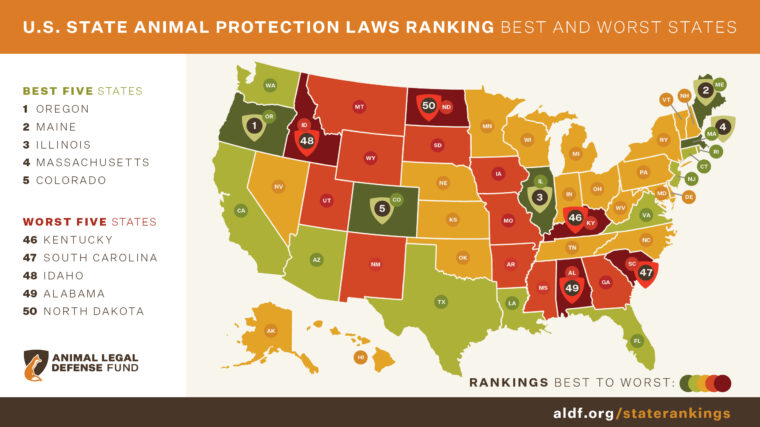
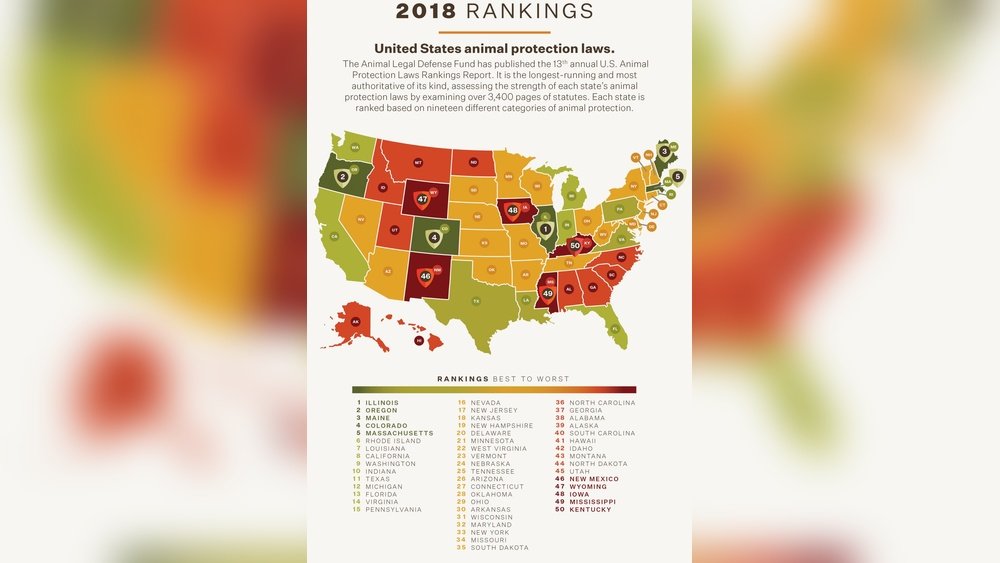
Credit: aldf.org
Washington State Animal Abuse Laws
Washington State has strong laws to protect animals from abuse and neglect. These laws define what counts as animal cruelty and set clear punishments. The state aims to keep animals safe and hold abusers responsible. Understanding these laws helps residents know their rights and duties.
Key Statutes And Definitions
Washington law defines animal abuse as harm or neglect causing pain or suffering. This includes beating, starving, or abandoning animals. The statutes cover pets, farm animals, and wildlife. Animal cruelty also includes using animals for illegal fights. The law is clear about protecting animal welfare in many situations.
Penalties And Legal Consequences
Animal abuse in Washington can lead to serious penalties. Offenders may face fines, jail time, or both. The severity depends on the abuse type and animal’s condition. Repeat offenders face harsher punishments. Courts can also ban abusers from owning animals in the future.
Reporting And Enforcement
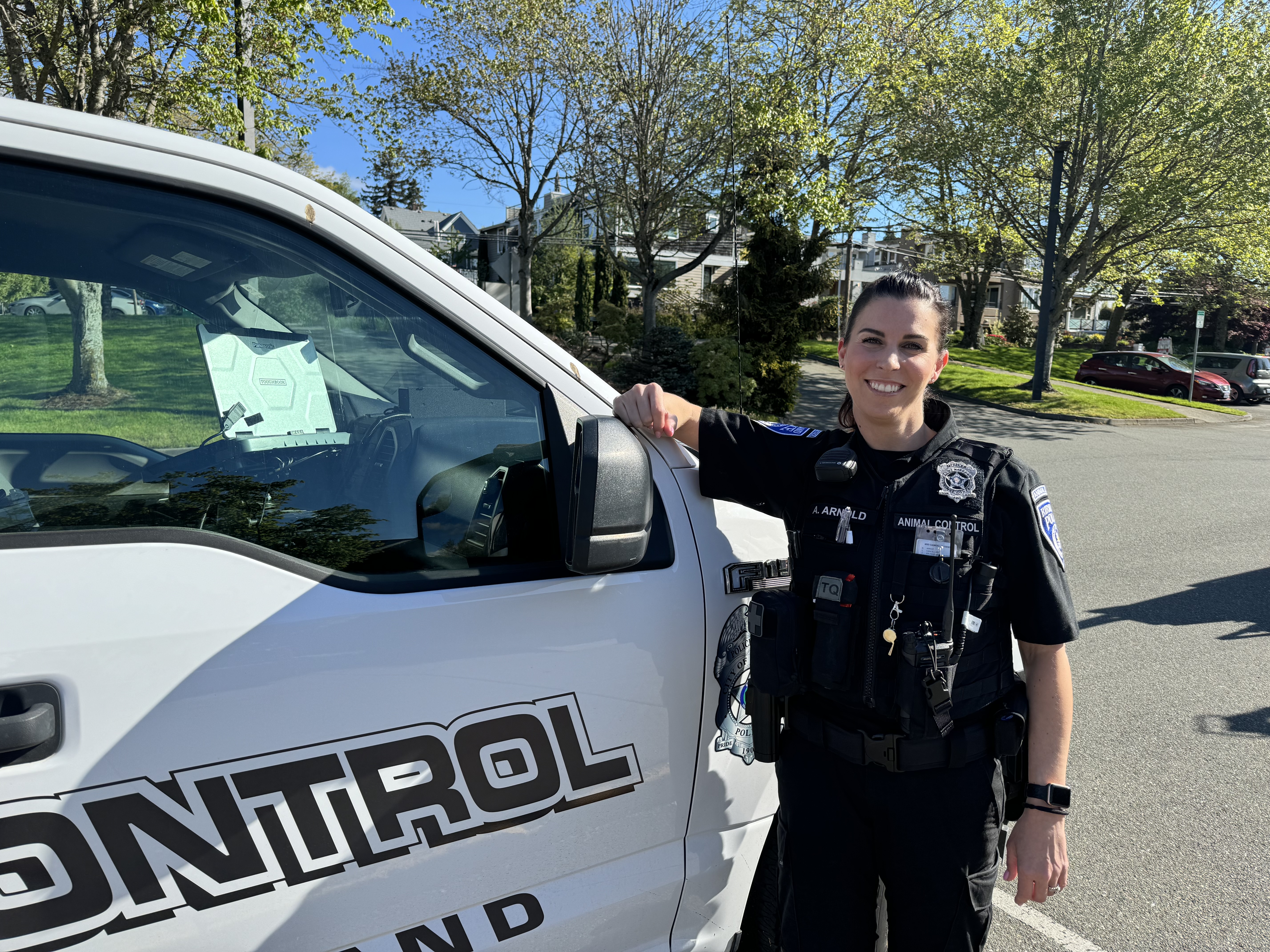
Anyone suspecting animal abuse should report it immediately. Local law enforcement and animal control agencies handle investigations. They have the power to remove animals from harmful situations. Proper reporting helps stop abuse and supports prosecutions. Community involvement plays a big role in enforcement success.
Credit: www.kirklandwa.gov
Protective Measures For Animals
Washington State takes strong steps to protect animals from abuse. These measures work to keep animals safe and cared for. The laws and community efforts help prevent cruelty and promote well-being. Understanding these protections shows how the state values animal welfare.
Preventive Legislation
Washington has laws to stop animal abuse before it happens. These laws set clear rules about how animals must be treated. They punish neglect, cruelty, and harmful acts. The state requires owners to provide food, water, and shelter. Penalties include fines and jail time to deter abuse. These rules protect pets, farm animals, and wildlife.
Animal Welfare Organizations
Many groups in Washington work to protect animals. They rescue abused and abandoned animals. These organizations offer shelter, medical care, and adoption services. They also educate the public about animal rights. Volunteers help monitor animal treatment and report abuse. Their efforts fill gaps and support legal protections.
Community Involvement
Communities play a key role in animal protection. People can report suspected abuse to authorities. Local neighborhoods watch for signs of neglect or cruelty. Schools and groups teach kindness and respect for animals. Public events raise awareness about animal care. Everyone’s action helps create safer environments for animals.
Rights And Responsibilities Of Pet Owners
Pet owners in Washington State have both rights and responsibilities under the law. They must care for their animals properly. The law protects pets from harm and neglect. It also guides owners on how to treat their pets well.
Understanding these duties helps keep pets safe and healthy. It ensures owners avoid legal problems. Knowing what the law requires makes pet ownership easier and more rewarding.
Legal Obligations
Owners must provide enough food and clean water daily. Pets need shelter from cold and heat. Medical care is required when animals are sick or injured. Washington law forbids cruelty and neglect of animals. Owners must control their pets to stop harm to others. Proper identification, like tags or microchips, is often required by local laws.
Common Violations
Failing to feed or water pets is a common violation. Leaving animals outside without shelter in bad weather is illegal. Abandoning pets also breaks the law. Some owners do not provide needed medical care. Allowing pets to roam unsupervised can lead to fines. Neglecting vaccinations and licenses may result in penalties.
Resources For Compliance
Washington offers many resources to help pet owners. Local animal control agencies provide guidance on care rules. Veterinary clinics can advise on health and vaccinations. Many communities have pet care classes and workshops. Online government sites list specific laws and tips. Animal welfare groups also offer support and education.
Credit: www.krem.com
Frequently Asked Questions
What Are The Main Animal Abuse Laws In Washington State?
Washington State laws protect animals from cruelty and neglect. These laws define abuse and set penalties for offenders. They cover physical harm, neglect, and abandonment of animals.
How Does Washington State Punish Animal Abuse Offenders?
Punishments include fines, jail time, and community service. Severity depends on the abuse type and animal harmed. Repeat offenders face stricter consequences under the law.
Can Animal Abuse Cases Be Reported Anonymously In Washington?
Yes, reports can be made anonymously to local authorities. This helps protect the reporter’s identity and encourages more reports. Authorities investigate all credible claims of animal abuse.
What Animals Are Protected Under Washington State Laws?
Laws cover pets, farm animals, and wildlife. Protection includes dogs, cats, horses, and livestock. All animals have rights against cruelty and neglect in the state.
Conclusion
Washington State takes animal abuse seriously with strong laws. These laws protect animals from harm and punish offenders. Knowing the rules helps people keep animals safe. Reporting abuse can save lives and stop cruelty. Everyone plays a part in protecting animals.
Respect and kindness towards animals make communities better. Stay informed and support efforts to end abuse. Together, we create a safer world for all animals.

Ismail Hossain is the founder of Law Advised. He is an Divorce, Separation, marriage lawyer. Follow him.