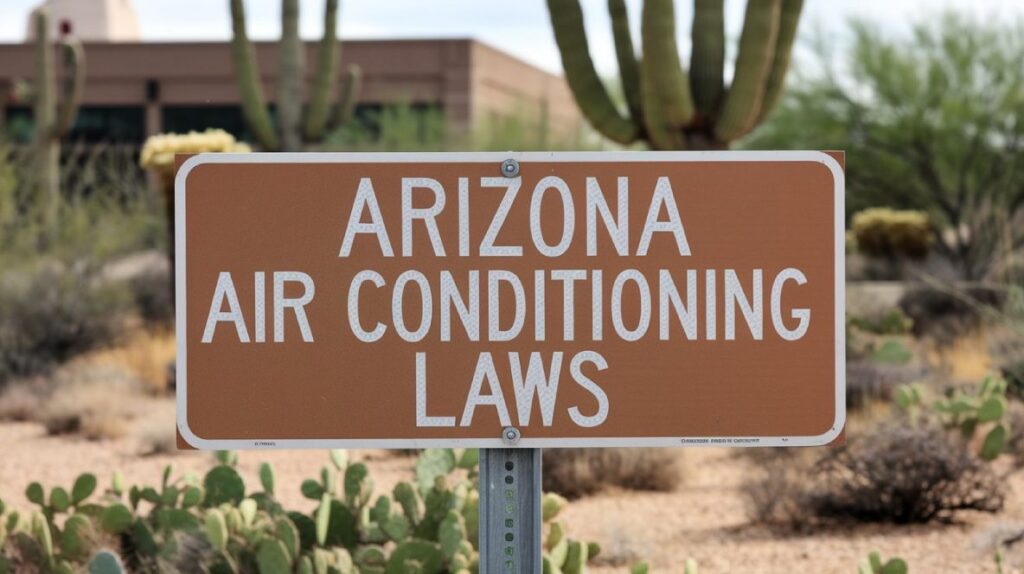
Air Conditioning Laws in Arizona: What Homeowners Must Know
Arizona is famous for its hot, dry climate. In the summer, temperatures can easily reach above 110°F (43°C), especially in cities like Phoenix and Tucson. For many residents, air conditioning is not a luxury—it’s a necessity. But did you know that there are specific laws and regulations in Arizona about air conditioning?
These rules affect homeowners, landlords, tenants, and even businesses. Understanding them can help you avoid legal trouble and keep your living or working space safe and comfortable. This article explains the key air conditioning laws in Arizona, what they mean for you, and some important details that are often overlooked.
Why Air Conditioning Matters In Arizona
Arizona’s desert climate brings extreme heat for much of the year. According to the National Weather Service, Phoenix has more than 110 days a year with temperatures above 100°F. In such weather, air conditioning systems are critical for:
- Health and safety, especially for elderly people and children
- Preventing heatstroke and dehydration
- Protecting homes and workplaces from heat damage
Because of these factors, Arizona laws treat air conditioning differently compared to many other states. In some places, AC is seen as a comfort feature, but in Arizona, it can be a basic need.
Arizona Landlord And Tenant Laws For Air Conditioning
The main laws about air conditioning in Arizona are found in the Arizona Residential Landlord and Tenant Act (A.R.S. Title 33, Chapter 10). These rules cover what landlords must provide, tenant rights, and what happens if the AC stops working.
Landlord Responsibilities
Arizona law requires landlords to:
- Provide and maintain essential services for tenants
- Essential services include cooling, heating, running water, hot water, electricity, and gas
If a rental unit comes with air conditioning, the landlord must keep it in good working order. The law does not require landlords to install AC in every unit, but if it is there, it must work. In many parts of Arizona, cooling is considered an essential service because of the climate.
Tenant Rights When Ac Fails
If the air conditioning breaks down, tenants have rights. Here’s what the law says:
- Notice: The tenant must inform the landlord in writing about the problem.
- Repair Time: The landlord has a set time to fix the AC:
- For essential services (including AC in Arizona), the repair must usually be made within 1–2 days.
- If Not Fixed: If the landlord does not repair the AC in time, the tenant can:
- Pay for the repair and deduct the cost from rent (up to $300 or half a month’s rent, whichever is greater)
- Go to court to force repairs or recover damages
- End the lease if the situation is very serious
Common Mistakes Landlords Make
- Failing to respond quickly enough to repair requests
- Not keeping written records of repairs
- Assuming that cooling is not an essential service in hot parts of Arizona
Example Timeline For Ac Repair
Here is a look at how quickly landlords must act when AC breaks down:
| Step | Action | Time Allowed |
|---|---|---|
| 1 | Tenant notifies landlord in writing | Day 1 |
| 2 | Landlord begins repair process | Within 24-48 hours |
| 3 | If not fixed, tenant may act (e.g., repair and deduct) | After 1-2 days |

Credit: aristotleair.com
Air Conditioning Laws For Businesses And Public Spaces
Air conditioning rules also affect commercial properties and public spaces in Arizona. While there is no statewide law forcing businesses to install air conditioning, there are health and safety standards that must be met.
Osha And Workplace Cooling
The Occupational Safety and Health Administration (OSHA) sets safety standards for workplaces. In extreme heat, employers must protect workers from heat-related illness. This can include:
- Providing air-conditioned rest areas
- Allowing frequent breaks
- Supplying water and shade
Businesses that ignore these rules can face fines and legal action, especially if a worker gets sick due to heat.
Local Building Codes
Many Arizona cities have their own building codes that require air conditioning or cooling systems in public buildings, offices, and schools. These codes often set minimum temperature standards and require regular maintenance of AC systems.
Installation And Maintenance Regulations
Arizona has strict rules for installing and maintaining air conditioning systems. This protects both the building and the people inside.
Licensing Requirements
Only licensed contractors can legally install or repair air conditioning in Arizona. The Arizona Registrar of Contractors issues licenses for:
- Residential and commercial HVAC (Heating, Ventilation, and Air Conditioning)
- Refrigeration contractors
Hiring an unlicensed contractor can result in poor work, unsafe systems, and possible legal problems.
Permits And Inspections
Most cities in Arizona require a permit to install a new air conditioning system or replace a major part. After installation, an inspection may be needed to check that the system is safe and meets energy and safety standards.
Maintenance Standards
Regular maintenance is not only good for your system but may also be required by local codes or warranty terms. Poorly maintained AC units can:
- Fail in extreme heat
- Leak refrigerant, which can be dangerous
- Use more energy, raising utility bills
Energy Efficiency And Environmental Laws
Arizona encourages energy-efficient air conditioning to save power and reduce pollution.
Energy Efficiency Standards
The state and some cities offer rebates or tax credits for ENERGY STAR-certified or high-efficiency AC systems. These units use less electricity and help lower bills.
Refrigerant Regulations
Older AC systems may use refrigerants like R-22 (Freon), which are being phased out due to environmental harm. Arizona follows federal laws that ban the production and import of R-22. New systems must use safer refrigerants, and only licensed technicians can handle them.
Comparing Types Of Ac Systems
Choosing the right system can save money and energy. Here’s a quick comparison:
| Type | Cost | Efficiency | Best For |
|---|---|---|---|
| Central AC | High | Very Efficient | Whole homes |
| Window Unit | Low | Moderate | Single rooms |
| Mini-Split | Medium | High | Room additions |
Homeowners Associations (hoas) And Air Conditioning
Many homes in Arizona are part of HOAs. These organizations set rules about what you can do with your property, including air conditioning.
Common Hoa Restrictions
- Limits on where you can place AC units (e.g., not in the front yard)
- Rules about noise levels
- Requirements to use certain types of units for appearance
Before installing or replacing an AC system, check your HOA’s rules to avoid fines or having to redo the work.
Credit: aristotleair.com
Special Laws For Mobile Homes And Manufactured Housing
Mobile home parks have extra rules about air conditioning. The Arizona Department of Housing oversees these parks and requires:
- Safe, working AC or cooling in rental units during hot months
- Regular inspections of cooling systems
If you live in a mobile home park, your landlord must keep the cooling working, similar to regular rental laws.
What People Often Miss About Arizona Air Conditioning Laws
Most people know the basics, but some details are easy to overlook:
- Cooling as a “habitability” issue: In Arizona, courts often treat broken AC like a broken heater in a cold state. This means tenants can sometimes break a lease or demand rent reductions if cooling is not fixed quickly.
- Rent abatement: If you lose AC for several days during extreme heat, you might be able to get a partial rent refund. But you must follow the correct legal process.
- Insurance and AC: Home insurance may not cover AC failures caused by poor maintenance. Keeping records of service and repairs can help if you need to make a claim.
- Eviction risk: Tenants who fix AC themselves without following the law (like giving notice) could face eviction or lose the right to reimbursement.
Penalties For Breaking Air Conditioning Laws
Breaking Arizona’s air conditioning laws can lead to serious consequences:
| Who | Possible Penalty | Example |
|---|---|---|
| Landlord | Fines, lawsuits, rent reductions | Not repairing AC in a rental |
| Tenant | Eviction, loss of deposit | Making repairs without proper notice |
| Contractor | Loss of license, fines | Installing AC without a license |
Tips For Staying Compliant
- Always use licensed contractors for AC work
- Keep written records of repairs, service, and notices
- Report AC problems in writing, not just by phone
- Follow your lease and HOA rules closely
- Learn the local building codes before starting big projects
For more information, you can check the official Arizona Department of Housing website.
Credit: rentalhousingjournal.com
Frequently Asked Questions
What Should I Do If My Landlord Won’t Fix The Ac?
First, send a written notice describing the problem. If there’s no response in 1–2 days, you may pay for the repair and deduct the cost from your rent, but keep all receipts. You can also contact local housing authorities or go to court if needed.
Is Air Conditioning Required By Law In All Arizona Rentals?
No, but if the rental has AC, it must work. In most Arizona cities, cooling is considered an essential service. If there is no AC, landlords are not usually required to install one, but the unit must meet minimum livability standards.
Can A Landlord Evict Me For Fixing The Ac Myself?
If you follow the legal process—give written notice and allow the landlord time to fix it—you have the right to arrange repairs and deduct the cost. If you skip steps or break other rules, the landlord may have grounds for eviction.
Are There Special Ac Laws For Mobile Homes In Arizona?
Yes, landlords in mobile home parks must provide working cooling systems and follow inspection rules from the Arizona Department of Housing. The process for repairs is similar to regular rentals.
Do I Need A Permit To Install A New Air Conditioner In Arizona?
In most cities, yes. Permits and inspections ensure the system is safe and energy-efficient. Always check with your local building department before starting installation.
Arizona’s air conditioning laws are designed to keep people safe and comfortable in one of the hottest regions in the US. Whether you’re a tenant, landlord, homeowner, or business owner, knowing these rules can help you avoid problems and protect your rights.
Understanding the details—like repair timelines, energy standards, and HOA restrictions—can save you stress, money, and even legal trouble in the long run.

Ismail Hossain is the founder of Law Advised. He is an Divorce, Separation, marriage lawyer. Follow him.