Animal Cruelty Laws in Arkansas: What You Need to Know Today
Are you concerned about how animals are treated in Arkansas? Understanding the state’s animal cruelty laws is important for protecting your pets and the animals around you.
These laws are designed to stop harm and hold offenders accountable. By knowing what the law says, you can play a part in keeping animals safe and speaking up when you see something wrong. Keep reading to find out exactly what Arkansas law covers and how it affects you and your community.
Arkansas Animal Cruelty Laws
Arkansas has laws to protect animals from harm and neglect. These laws aim to keep animals safe and healthy. They punish people who hurt animals on purpose or through carelessness.
The state treats animal cruelty as a serious crime. Different acts of cruelty have different penalties. The laws cover many types of animals, including pets, farm animals, and wild animals.
Definition Of Animal Cruelty In Arkansas
Animal cruelty means causing pain or suffering to an animal. This includes beating, starving, or leaving animals without care. Neglect is also a form of cruelty. It happens when owners fail to provide food, water, or shelter.
The law also bans using animals in harmful ways for entertainment or experiments. Arkansas law protects animals from any action that causes unnecessary harm.
Penalties For Animal Cruelty
Penalties depend on the cruelty’s severity. Minor cases may result in fines or short jail time. Serious cases can lead to longer jail time and bigger fines. Repeat offenders face harsher penalties.
The law also allows courts to ban abusers from owning animals. This helps prevent future cruelty and protects animals.
Reporting And Enforcement
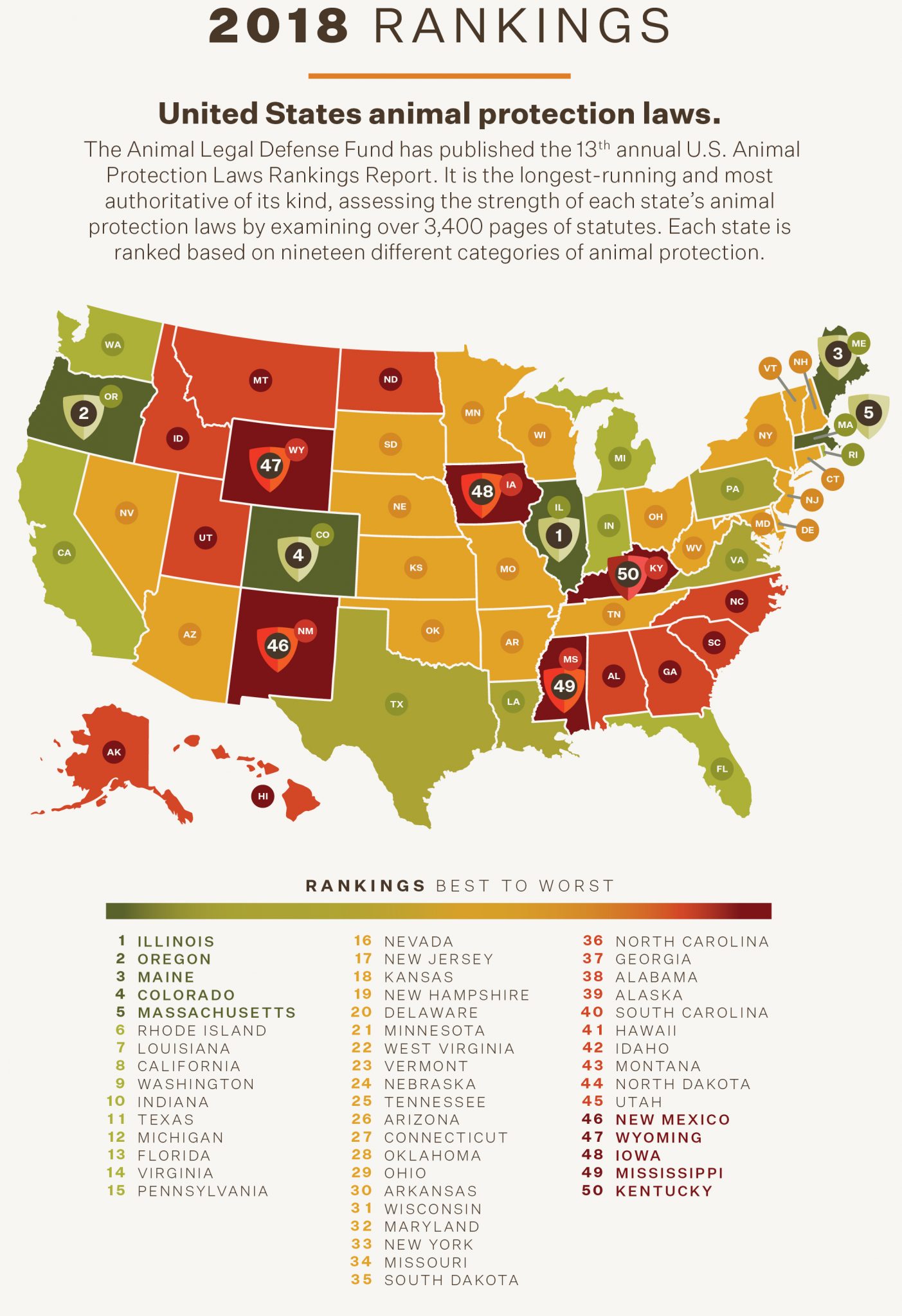
People must report animal cruelty to local authorities. Animal control officers investigate reports of abuse or neglect. Police can arrest people who break animal cruelty laws.
Animal shelters and rescue groups work with law enforcement. They help protect abused animals and find them safe homes.
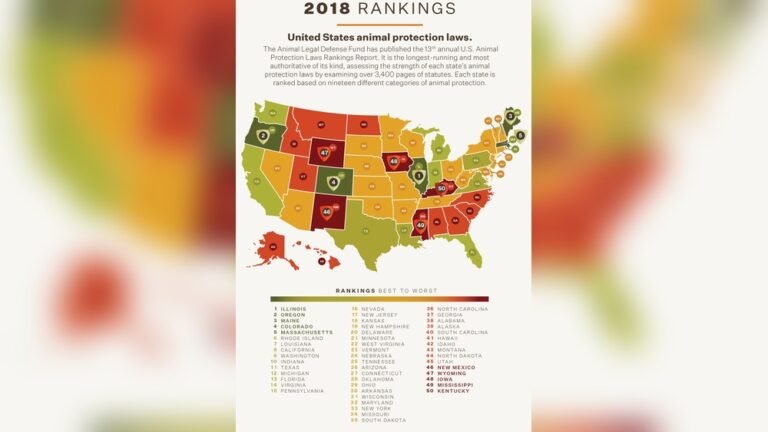
Credit: aldf.org
Types Of Animal Abuse Covered
Arkansas law covers many types of animal abuse, including neglect, physical harm, and cruel treatment. It protects animals from being starved, beaten, or kept in unsafe places. These rules help ensure animals stay safe and well cared for.
Physical Abuse
Physical abuse means hurting an animal on purpose. This includes hitting, kicking, or beating an animal. It also covers acts like burning or stabbing. Arkansas law treats these acts as serious crimes.
Neglect And Starvation
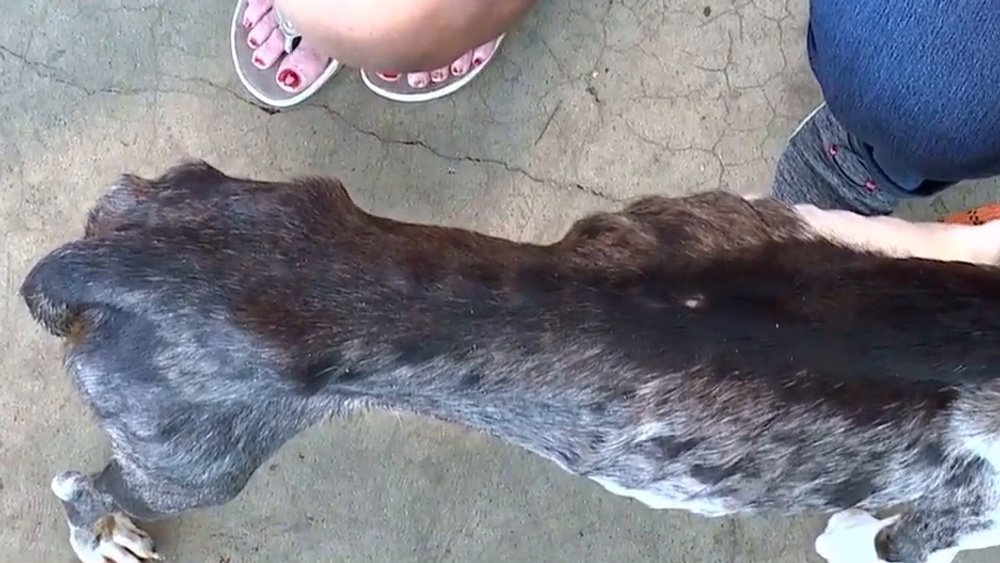
Neglect happens when an animal does not get enough food, water, or shelter. Starvation is a severe form of neglect where the animal is very thin or weak. The law protects animals from being left in bad conditions.
Animal Fighting
Organizing or forcing animals to fight is illegal in Arkansas. Dogfighting and cockfighting cause pain and injury. These cruel activities are punishable by fines and jail time.
Abandonment
Leaving an animal without care is called abandonment. It is a form of abuse because the animal can suffer or die. The law makes sure animals get proper care and are not left alone.
Overworking And Improper Use
Forcing animals to work too hard or in harsh conditions is abuse. This includes carrying heavy loads or working without rest. Arkansas laws set rules to prevent such mistreatment.
Legal Penalties For Violations
Arkansas takes animal cruelty seriously. Laws set clear punishments for those who harm animals. These penalties protect animals and warn people against abuse.
Penalties vary by the type and severity of the crime. The law aims to stop cruelty and punish offenders fairly. Understanding these penalties helps protect animals better.
Felony Charges For Severe Abuse
Severe animal cruelty often leads to felony charges. Felonies carry heavy fines and long jail sentences. These include cases of torture or killing an animal.
Convicted individuals may face years in prison. Felony charges show how seriously the law treats animal abuse.
Misdemeanor Penalties For Lesser Offenses
Lesser acts of cruelty usually result in misdemeanor charges. Misdemeanors bring smaller fines and shorter jail time. This covers neglect or minor physical harm to animals.
Even small offenses can lead to jail or probation. The law wants to stop cruelty at any level.
Additional Consequences And Restrictions
Offenders may lose the right to own pets. Courts can order community service related to animal care. Repeat offenders face stricter penalties and longer restrictions.
These rules aim to protect animals from future harm. They also educate offenders about animal welfare.
Reporting Animal Cruelty
Reporting animal cruelty in Arkansas is a crucial step to protect animals from harm. Citizens play a key role in stopping abuse. Knowing how to report helps ensure swift action. Authorities rely on public reports to investigate and prevent cruelty.
Every report counts. It can save an animal’s life or stop ongoing suffering. Learning the correct process makes reporting easier and more effective. Below are important details about reporting animal cruelty in Arkansas.
How To Identify Animal Cruelty
Animal cruelty includes neglect, physical abuse, and abandonment. Signs include visible injuries, malnutrition, and poor living conditions. Loud and constant barking may also signal distress. Recognizing these signs helps you report valid cases.
Where To Report Animal Cruelty
Reports can be made to local law enforcement or animal control. The Arkansas Livestock and Poultry Commission also handles some cases. Many counties have dedicated animal cruelty hotlines. Contacting the right agency speeds up the response.
What Information To Provide
Give clear details about the animal and situation. Include location, type of abuse, and time observed. Describe the animal’s condition and any witnesses. Photos or videos help but are not always required. Detailed reports lead to better investigations.
What Happens After Reporting
Authorities review your report and decide on next steps. They may visit the site to check the animal’s welfare. Investigations aim to gather evidence and protect the animal. In some cases, legal action follows against the abuser.
Role Of Law Enforcement
Law enforcement plays a crucial role in fighting animal cruelty in Arkansas. Officers are often the first to respond to reports of mistreatment. Their actions can protect animals and bring offenders to justice.
Police and animal control officers work closely to investigate cases. They gather evidence and interview witnesses to build strong cases. This teamwork helps ensure that laws are enforced properly.
Responding To Animal Cruelty Reports
Law enforcement must act quickly when they receive cruelty reports. Prompt response can save animals from harm. Officers must assess the situation carefully and take necessary steps to protect the animal.
Investigating And Gathering Evidence
Investigations involve collecting proof like photos, videos, and medical reports. Officers document injuries and living conditions. This evidence is vital for court cases and holding abusers accountable.
Working With Animal Welfare Organizations
Law enforcement often collaborates with shelters and rescue groups. These organizations provide care for animals removed from abuse. This partnership ensures animals receive proper treatment and shelter.
Enforcing Penalties And Legal Actions
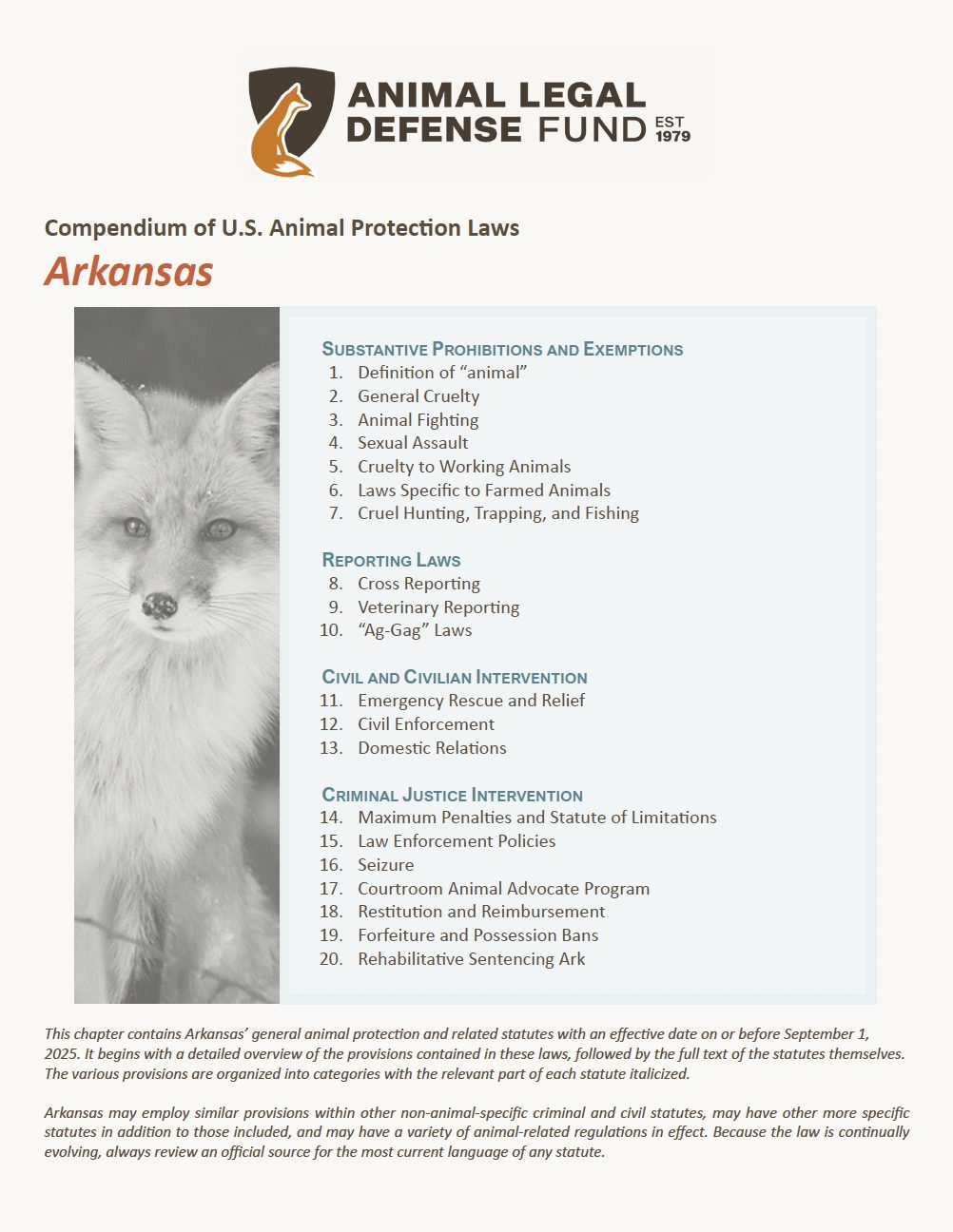
Officers help enforce penalties set by Arkansas animal cruelty laws. They may arrest offenders or issue fines. Law enforcement ensures justice and discourages future abuse.
Credit: aldf.org
Animal Protection Organizations In Arkansas
Arkansas hosts many groups that protect animals. These organizations work hard to stop cruelty. They help animals find safe homes. They also teach people how to treat animals kindly.
These groups often rescue animals from bad situations. They provide medical care and shelter. Volunteers and staff work every day to save lives. Their efforts support Arkansas’ animal cruelty laws.
Arkansas Humane Society
The Arkansas Humane Society is one of the oldest animal groups in the state. It rescues abused and abandoned animals. The society offers adoption services and education programs. It also works with law enforcement to report abuse cases.
Friends Of Fauna
Friends of Fauna focuses on wildlife protection in Arkansas. They rescue injured wild animals and return them to nature. This group educates people about wildlife safety and respect. They also support laws that protect wild animals.
Little Rock Animal Village
Little Rock Animal Village shelters homeless pets. They provide food, shelter, and medical care. Volunteers help find new homes for pets. The village also runs programs to prevent animal cruelty.
Arkansas Pet Rescue & Shelter
This group saves dogs and cats from shelters with high euthanasia rates. They offer foster care and adoption services. They teach pet owners about proper care. Their work reduces animal suffering in Arkansas.
Recent Changes In Legislation
Arkansas has updated its animal cruelty laws recently. These changes aim to protect animals better and punish offenders more strictly. The new laws reflect growing concern about animal welfare in the state. They also help law enforcement act faster and more effectively.
These updates include clearer definitions of abuse and tougher penalties. The changes make it easier to prosecute those who harm animals. They also provide more resources for rescuing and caring for abused animals.
Enhanced Penalties For Animal Abuse
The new laws increase fines and jail time for animal cruelty. Repeat offenders face harsher punishments. This approach discourages people from mistreating animals. It shows Arkansas’s commitment to animal protection.
Broader Definitions Of Abuse
The legal definition of animal cruelty now covers more acts. Neglect and abandonment are included under the new rules. This helps catch cases that were hard to prove before. Animals receive more protection from all forms of harm.
Improved Reporting And Enforcement
Law enforcement agencies gained better tools to investigate abuse cases. Reporting abuse became easier for the public. New protocols help officials respond quickly. This leads to faster rescues and stronger cases in court.
Support For Animal Rescue Organizations
The legislation provides more support to rescue groups. Funding and resources help shelters care for abused animals. This support improves recovery and rehabilitation efforts. It strengthens the overall animal welfare system in Arkansas.

Credit: katv.com
Frequently Asked Questions
What Animals Are Protected Under Arkansas Animal Cruelty Laws?
Arkansas laws protect pets, livestock, and wild animals from abuse. The laws cover dogs, cats, horses, and farm animals. Protection extends to any animal suffering from neglect or harm.
What Are Common Penalties For Animal Cruelty In Arkansas?
Penalties include fines, jail time, or both, depending on the offense. Severe cases may lead to felony charges. Repeat offenders face harsher punishments under the law.
How Does Arkansas Define Animal Cruelty Legally?
Animal cruelty means causing unnecessary pain, suffering, or death to animals. It includes neglect, beating, and abandonment. The law aims to prevent intentional harm and neglect.
Can Animal Cruelty Cases Be Reported Anonymously In Arkansas?
Yes, people can report abuse without giving their name. Reports can be made to local animal control or law enforcement. This helps protect the reporter from retaliation.
Are There Specific Laws For Farm Animal Protection In Arkansas?
Yes, Arkansas has laws against neglect and abuse of farm animals. Farmers must provide proper food, water, shelter, and care. Violations can lead to penalties or loss of livestock.
How Does Arkansas Handle Animal Cruelty Investigations?
Law enforcement or animal control officers investigate reported cases. They may inspect the animal’s living conditions and gather evidence. Strong evidence is needed to press charges.
Conclusion
Arkansas takes animal cruelty seriously with clear laws in place. These laws protect pets and wildlife from harm. Punishments help stop abuse and keep animals safe. Knowing these rules helps everyone act responsibly. Reporting cruelty can save animals from suffering.
Together, communities can make a big difference. Respecting animals shows kindness and care. Staying informed supports a safer environment for all creatures.

Ismail Hossain is the founder of Law Advised. He is an Divorce, Separation, marriage lawyer. Follow him.