Rental Laws in California Return of Deposit: Essential Tenant Rights Guide
If you’ve recently moved out of a rental in California, you’re probably wondering when and how your security deposit will be returned. You worked hard to save that money, and it’s only fair to get it back promptly and in full—unless there are legitimate reasons otherwise.
But do you know exactly what the law says about your landlord’s responsibilities? Understanding California’s rental laws on deposit returns can protect your rights and help you avoid unnecessary stress or disputes. Keep reading to learn what you need to know about timelines, deductions, and what you can do if your landlord isn’t playing by the rules.
This knowledge will empower you to get your deposit back smoothly and confidently.
Credit: lifestepsusa.org
Security Deposit Limits
Security deposit limits in California protect tenants from excessive upfront costs. These laws control how much landlords can charge and what types of deposits are allowed. Understanding these limits helps renters avoid unfair charges and ensures landlords follow the rules.
Knowing the maximum amounts and accepted deposit types gives tenants clear expectations. It also simplifies the process of getting deposits back after moving out.
Maximum Deposit Amounts
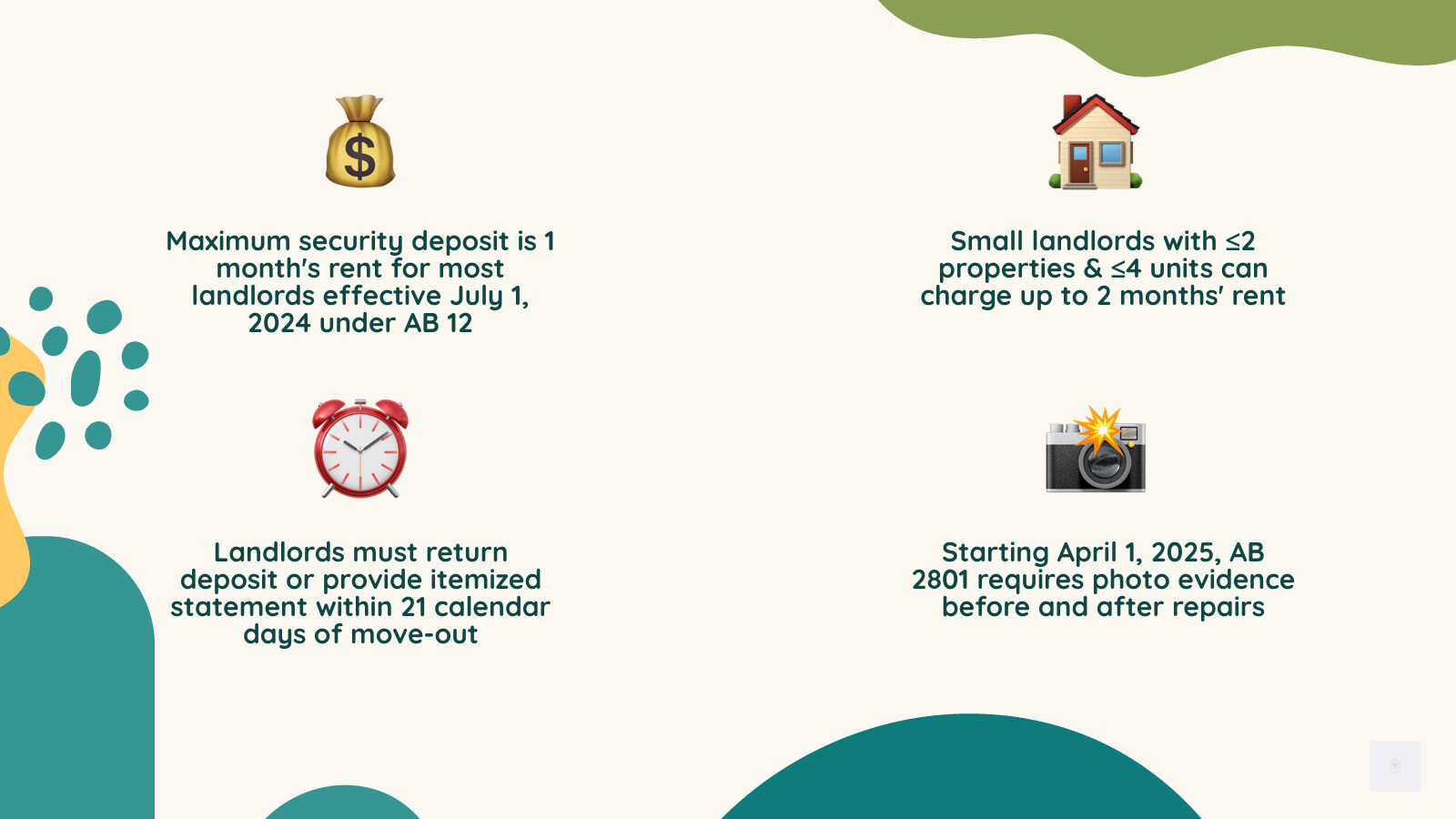
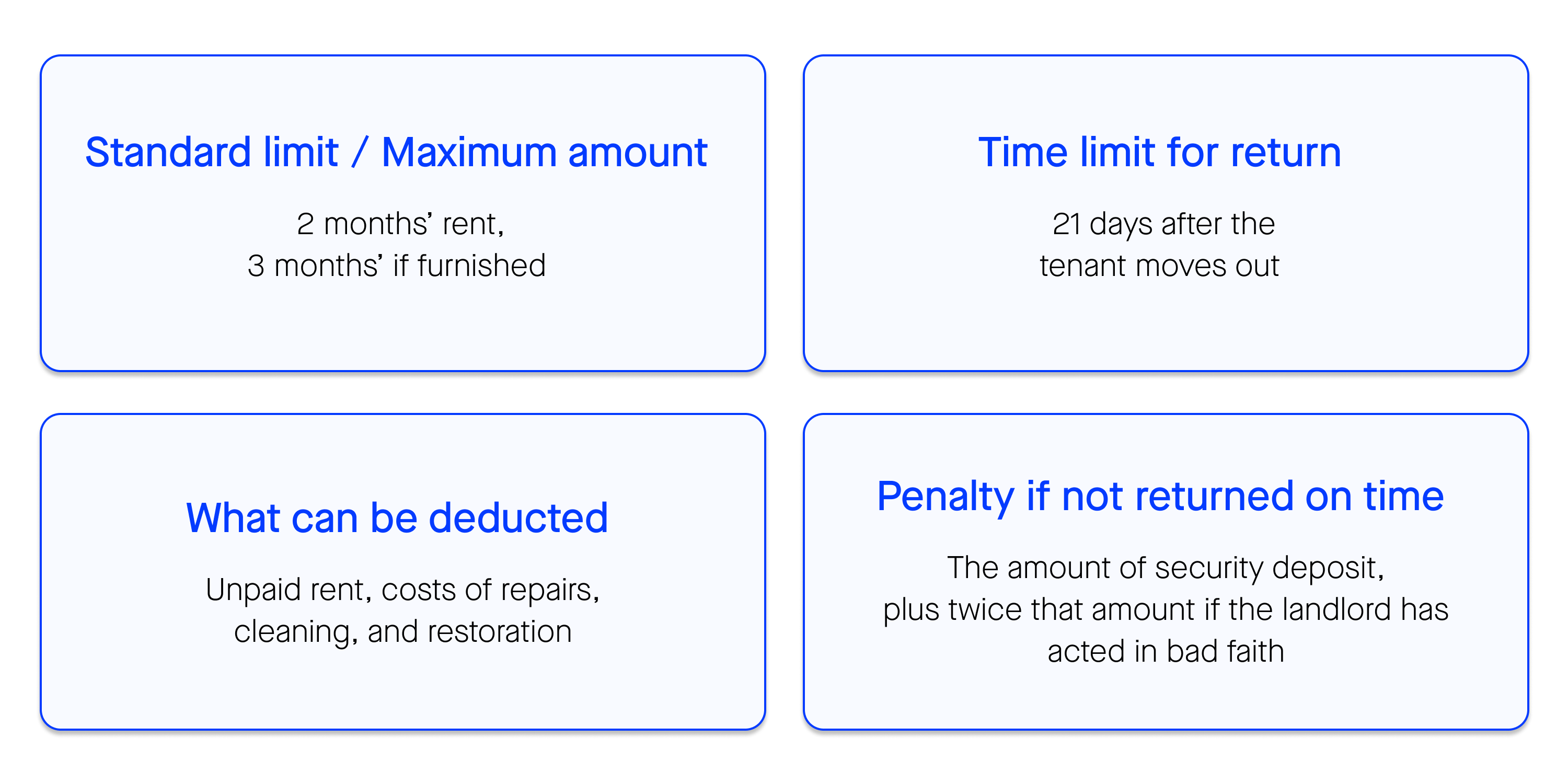
California law sets clear caps on security deposits. For unfurnished rentals, landlords can charge up to two months’ rent. For furnished rentals, the limit is three months’ rent. These limits include any fees labeled as deposits.
Landlords cannot ask for more than these amounts, even if the tenant has pets. Deposits beyond these limits are illegal and can be challenged in court.
Types Of Deposits Allowed
Security deposits include money held for damages or unpaid rent. Landlords may also request a separate pet deposit if allowed by local laws. However, all deposits must be refundable unless used for repairs or unpaid balances.
Non-refundable fees, such as cleaning fees, cannot be labeled as deposits. Tenants should receive clear receipts and a written agreement outlining deposit terms.
Credit: www.sayrhino.com
Timeline For Deposit Return
The timeline for the return of a security deposit in California is clear and set by law. Tenants expect their deposit back promptly after moving out. Landlords must follow specific deadlines to avoid penalties. Understanding these timelines helps both parties stay fair and avoid disputes.
Legal Deadlines
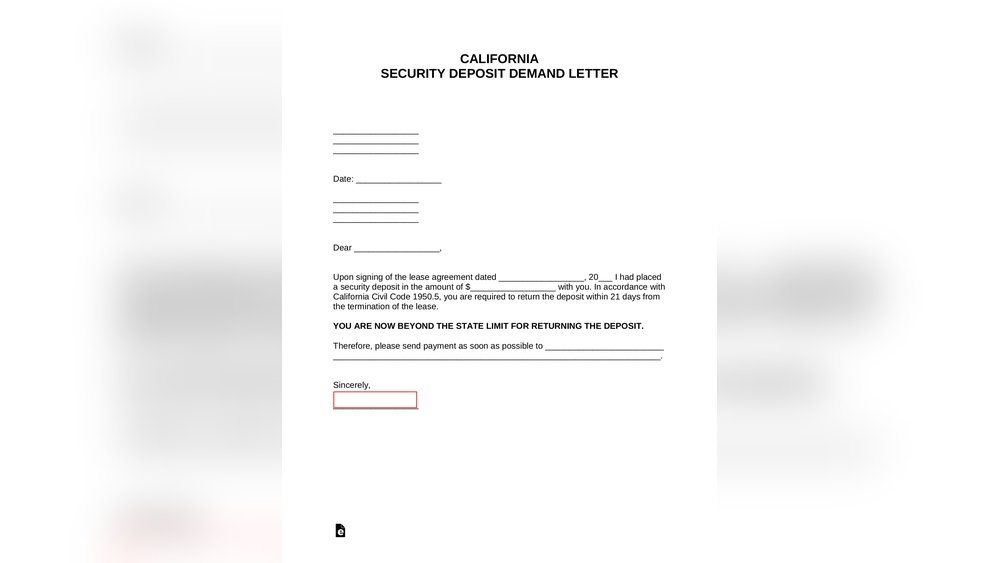
California law requires landlords to return the security deposit within 21 days. This countdown starts the day the tenant moves out. The landlord can deduct unpaid rent or repair costs from the deposit. They must provide an itemized list of these deductions. If there are no deductions, the full deposit must be returned on time.
Consequences Of Late Returns
Failing to return the deposit within 21 days can lead to legal trouble. Tenants may sue landlords for the full deposit amount. Courts can order landlords to pay additional damages. Late returns damage the landlord’s reputation and trust. Timely deposit return is crucial to avoid penalties and maintain good relationships.
Allowable Deductions
In California, landlords can only make certain deductions from a tenant’s security deposit. These deductions must be lawful and reasonable. They cover costs that result directly from the tenant’s actions or negligence. Knowing what deductions are allowed helps tenants protect their rights and ensures landlords follow the law.
Damage Vs. Wear And Tear
Landlords may deduct money for damages beyond normal wear and tear. Normal wear and tear means minor issues from everyday use. Examples include small nail holes, faded paint, or worn carpet. Damage involves broken windows, large holes, or stains. Tenants are not responsible for normal wear and tear. Only actual damage caused by tenants can be deducted.
Cleaning And Repairs
Cleaning costs can be deducted if the property is left unusually dirty. The unit must be returned in a reasonably clean condition. Landlords can also charge for repairs that restore the property. Repairs must fix damage caused by the tenant, not upgrades or improvements. Routine maintenance is the landlord’s responsibility and cannot be deducted.
Documentation Requirements
Landlords must provide an itemized list of deductions. This list should include the cost and description of each deduction. Receipts or invoices must support the charges. Documentation must be sent to tenants within 21 days after they move out. Proper records help avoid disputes and prove deductions are fair.
Tenant Actions For Disputes
Tenants in California have clear steps to follow if they face issues with their security deposit return. Acting quickly and knowing the correct procedures can help resolve disputes effectively. Understanding tenant rights empowers renters to protect their money.
Requesting Itemized Statements
Tenants should ask landlords for an itemized statement of deductions. This document shows what costs were taken from the deposit. It must include repair or cleaning expenses. The landlord must provide this within 21 days after the tenant moves out. Without it, tenants can challenge unfair charges.
Filing Complaints
If landlords do not respond or provide a proper statement, tenants can file complaints. Local tenant unions and housing agencies accept these complaints. They can mediate disputes between tenants and landlords. Filing a complaint creates an official record of the problem. This step often prompts landlords to act fairly.
Small Claims Court Process
Tenants may take the dispute to small claims court if needed. The court handles claims up to $10,000, suitable for deposit issues. Tenants must prepare all evidence, including the lease and itemized statements. Court fees are low, and lawyers are not required. Winning in court can force landlords to return deposits plus damages.
Interest On Security Deposits
In California, landlords often collect a security deposit to cover damages or unpaid rent. Some tenants wonder if landlords must pay interest on these deposits. The rules about interest on security deposits vary by location and type of rental. Knowing these rules helps tenants understand their rights and what to expect when their lease ends.
When Interest Applies
California state law does not require landlords to pay interest on security deposits for most residential rentals. This means many tenants will not receive interest on their deposit. However, some cities have different rules. In those areas, landlords must pay interest if the deposit is held for a certain time.
Interest usually applies if the rental is in a city with specific ordinances. The landlord must keep the deposit in an interest-bearing account. The tenant then earns interest based on the amount and time the deposit is held. This interest is usually paid when the tenant moves out.
State And Local Rules
California’s statewide law is clear: no interest is required on most residential security deposits. But cities like San Francisco and Los Angeles have their own rules. These cities may require landlords to pay interest on deposits. The interest rate and rules about payment vary.
Local laws can set a minimum interest rate or specify how often interest must be paid. Tenants should check local housing agencies or tenant unions for details. Landlords must follow local laws if they differ from state rules. Understanding both state and local rules protects tenant rights.

Credit: www.reddit.com
Frequently Asked Questions
How Long Do Landlords Have To Return A Security Deposit In Ca?
Landlords in California must return the security deposit within 21 days after the tenant moves out. They can deduct unpaid rent or damages.
What Not To Say To Your Landlord?
Avoid making threats, admitting to damage, requesting illegal discounts, or discussing late rent casually with your landlord.
When You Get Evicted In California, Do You Get Your Deposit Back?
California landlords must return your deposit within 21 days after eviction, minus deductions for unpaid rent or damages.
What Is Normal Wear And Tear After 5 Years In California?
Normal wear and tear after 5 years in California includes faded paint, minor carpet wear, and small nail holes. Landlords cannot charge for these.
How Long Do Landlords Have To Return Security Deposits In California?
Landlords must return security deposits within 21 days after tenants move out. They must provide an itemized list of any deductions made. This timeline is required by California law.
Conclusion
Understanding California rental laws helps tenants protect their security deposits. Tenants should know landlords must return deposits within 21 days after moving out. Landlords can only deduct for unpaid rent or repairs beyond normal wear. Keeping clear records and communication supports a smooth deposit return.
Staying informed prevents disputes and ensures your rights are respected. Always review your lease and state rules before renting. This knowledge empowers you to handle deposit matters confidently and fairly.

Ismail Hossain is the founder of Law Advised. He is an Divorce, Separation, marriage lawyer. Follow him.