Handicap Placard Laws in California: Essential Rules You Must Know
If you or a loved one has mobility challenges, understanding California’s handicap placard laws can make a big difference in your daily life. Knowing exactly who qualifies, how to apply, and where you can park without hassle helps you save time, avoid fines, and access convenient parking spaces designed just for you.
But the rules aren’t always straightforward, and mistakes can cost you dearly. You’ll discover everything you need to know about California’s handicap placard laws—so you can use your placard confidently and legally. Keep reading to unlock the key details that protect your rights and make parking easier wherever you go.
Credit: www.ksbw.com
Types Of Handicap Placards
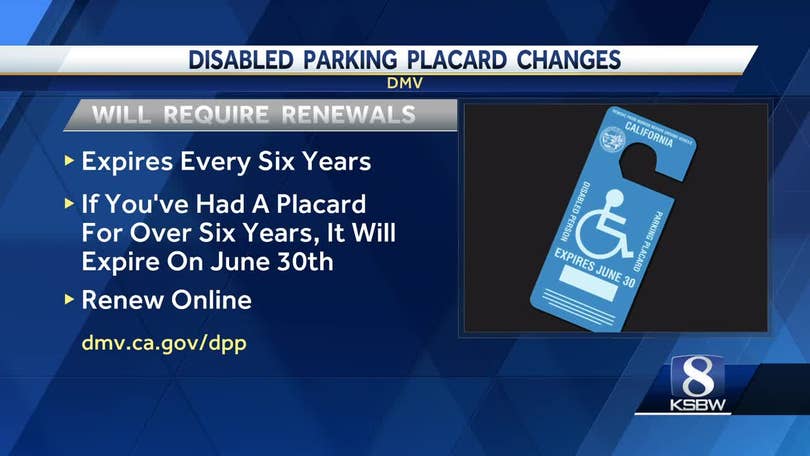
California enforces strict legal restrictions on the use of handicap placards. These rules protect the rights of disabled individuals and ensure fair parking access. Understanding these legal boundaries helps prevent misuse and supports those who genuinely need these accommodations.
Proper Display Of Placards
The handicap placard must hang from the vehicle’s rearview mirror. It can also be placed on the dashboard if hanging is not possible. The placard should be clearly visible through the windshield. Remove the placard when the vehicle is moving. This prevents blocking the driver’s view and complies with California law.
Prohibited Uses
Only the person to whom the placard was issued may use it. Using someone else’s placard is illegal. Placards cannot be used to park in spaces reserved for other purposes. It is illegal to lend or transfer a placard. Misuse denies parking to those with real disabilities.
Penalties For Misuse
California imposes fines for improper use of handicap placards. Fines can reach up to $250 for first offenses. Repeat violations may lead to higher penalties. Authorities may confiscate placards used fraudulently. Penalties also serve as a deterrent to protect parking rights for disabled individuals.
Credit: www.dmv.ca.gov
Eligibility Requirements
The application and renewal process for a handicap placard in California is straightforward. It ensures that eligible individuals can access parking benefits with ease. Understanding the steps helps avoid delays and confusion.
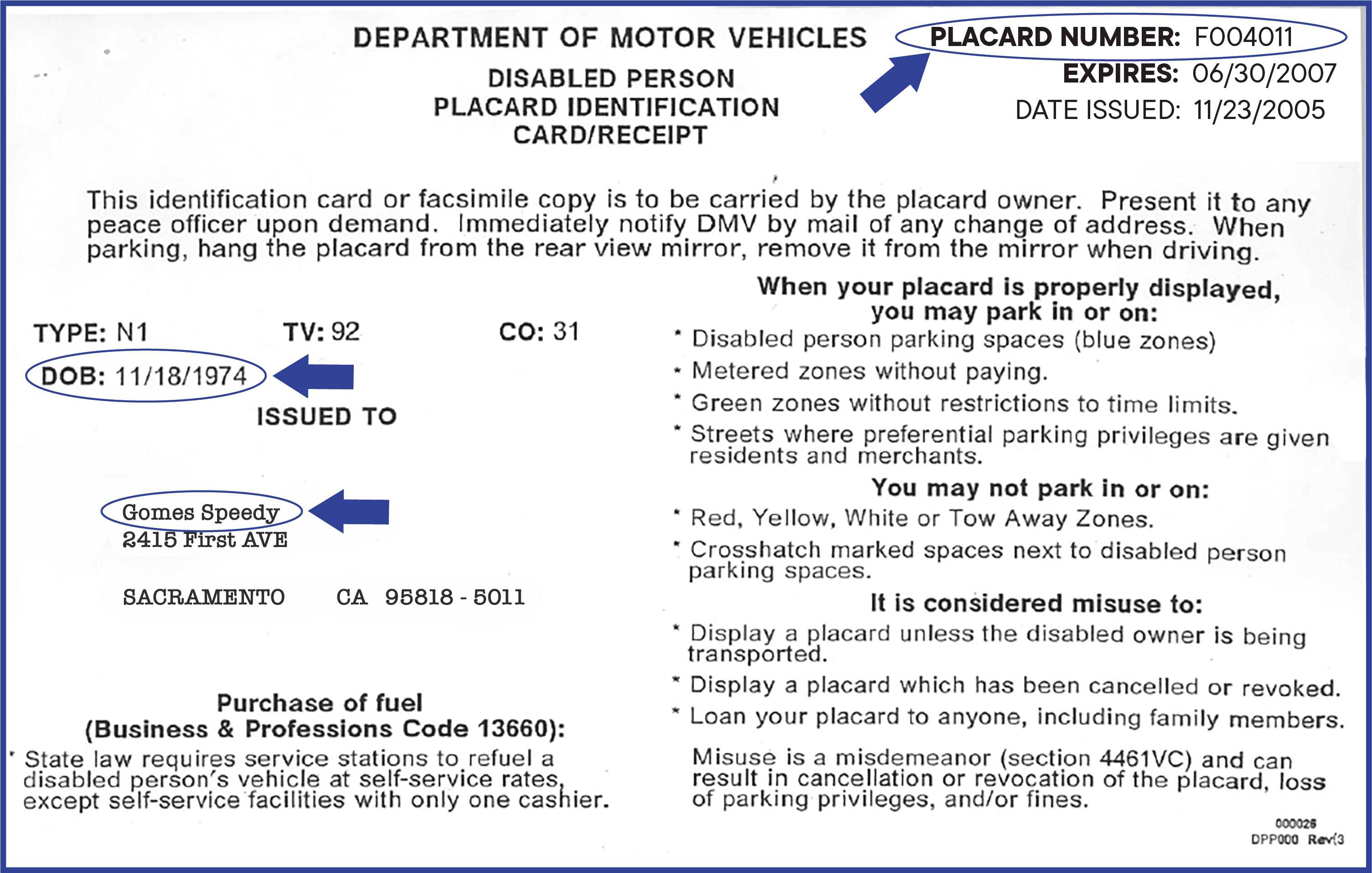
Each application or renewal involves submitting specific documents and paying required fees. The California Department of Motor Vehicles (DMV) manages this process. Keeping track of expiration dates is important to maintain valid parking privileges.
Applying Through The Dmv
To apply for a handicap placard, visit the California DMV website or a local office. You can download the application form online. Some offices allow you to apply by mail or in person. The form requires personal details and information about your disability.
A licensed medical professional must certify your condition. This step confirms eligibility for the placard. After completing the form, submit it to the DMV along with necessary documents and fees.
Required Documentation
The application requires proof of identity, such as a driver’s license or ID card. You also need a completed Physician’s Certification section. This part must be signed by a doctor, nurse practitioner, or other authorized medical provider.
For renewals, the DMV may request updated medical certification. Temporary placards might need more frequent renewals. Make sure all documents are current and accurate to prevent application rejection.
Processing Times And Fees
The DMV usually processes handicap placard applications within two to four weeks. Processing times vary based on application volume and submission method. Applying online or by mail may take longer than in-person visits.
Fees differ for temporary and permanent placards. Permanent blue placards often have no fee. Temporary red placards usually require a small payment. Check the DMV website for the latest fee information before applying.
Credit: dmv-sandiego.com
Frequently Asked Questions
Can You Park Anywhere In California With A Handicap Placard?
You cannot park anywhere with a California handicap placard. Park only in designated disabled spaces, blue or green curbs, or metered spots without paying. Always display the placard properly and follow local parking rules. Unauthorized use or parking in restricted areas is illegal.
Does Lupus Qualify For Disability Placard?
Lupus may qualify for a disability placard if it severely limits mobility. A doctor’s certification is required to apply.
What Is The Difference Between Red And Blue Handicap Placards In California?
Red handicap placards in California are temporary, valid up to six months for short-term disabilities. Blue placards are permanent for long-term disabilities.
Can You Have Both A Handicap Placard And A License Plate In California?
Yes, California allows permanent disabled individuals to have both a handicap placard and a license plate. Both provide parking privileges.
What Types Of Handicap Placards Does California Offer?
California provides two main types: blue permanent placards and red temporary placards. Blue is for permanent disabilities; red is for temporary conditions lasting up to six months.
Conclusion
Understanding California’s handicap placard laws helps protect your rights and others’. Use the placard only if you qualify and always follow the rules. Display it properly to avoid fines or penalties. Remember, these laws make parking easier for those who really need it.
Stay informed to keep your placard valid and use it responsibly. This way, everyone benefits from accessible parking spaces.

Ismail Hossain is the founder of Law Advised. He is an Divorce, Separation, marriage lawyer. Follow him.