Public Restroom Laws in California: What You Need to Know Now
If you’ve ever wondered what rules govern public restrooms in California, you’re not alone. Whether you’re a business owner, employee, or just someone who wants to know your rights, understanding these laws is crucial.
You might ask yourself: Are businesses required to let me use their employee restroom if I have a medical condition? Can someone choose which restroom to use based on their gender identity? What signs should be displayed on restrooms to meet legal standards?
This article will answer these questions and more, giving you clear, straightforward information about California’s public restroom laws. Keep reading to know your rights and what businesses must do to comply—because when it comes to restroom access, knowledge is power.
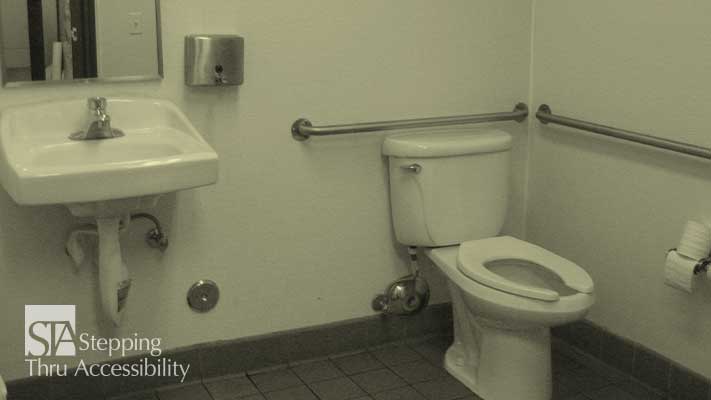
Credit: www.steppingthruaccessibility.com
Restroom Access Requirements
California has clear rules about restroom access in public places. These rules protect people’s rights and ensure safe, clean facilities. Businesses and public spaces must follow these laws to serve everyone fairly.
Understanding these requirements helps both businesses and visitors know their rights and duties. Here are key points about restroom access in California.
Restroom Access For People With Medical Conditions
Any business open to the public with employee restrooms must allow certain people to use them. This includes people with medical issues like Crohn’s disease or ulcerative colitis. They need to show a valid medical ID or note from a doctor. At least three employees must be present during their visit.
Signage Requirements For Restrooms
Restrooms must have clear signs to meet California rules. Men’s restrooms use a triangle symbol. Women’s use a circle. All-gender restrooms show a triangle inside a circle. These signs help everyone find the right restroom quickly.
Restrooms In Food Facilities
Restaurants and cafes must provide clean and accessible restrooms. This applies if customers eat food on-site. The facilities must be easy to reach and kept in good condition. This rule keeps public health and comfort in mind.
Gender Identity And Restroom Access
The Unruh Civil Rights Act protects restroom use based on gender identity. Businesses and government places cannot block access to restrooms that match a person’s gender identity. This law supports fairness and respect for all individuals.

Credit: www.medicalnewstoday.com
Medical Conditions And Exceptions
California law offers strong protections for individuals based on their gender identity. These laws ensure everyone can use restrooms that match their gender identity without fear of discrimination or harassment. The protections apply in public places, businesses, and government facilities.
Legal safeguards prevent denial of access to restrooms aligned with a person’s gender identity. This means transgender and non-binary individuals have the right to use the restroom that corresponds to their true gender. The law supports dignity and equal treatment for all people.
Unruh Civil Rights Act Protections
The Unruh Civil Rights Act bans discrimination in public accommodations. It covers businesses, government offices, and other places open to the public. Under this act, denying restroom access based on gender identity is illegal. This law helps create safe spaces for transgender people.
Restroom Access Act
The Restroom Access Act further supports people with gender identity protections. It requires employers and businesses to allow employees and customers to use restrooms matching their gender identity. The act also prohibits policies that restrict access to gender-segregated restrooms.
Signage And All-gender Restrooms
California encourages clear restroom signage to promote inclusivity. Many places use all-gender restrooms marked with specific symbols. These restrooms offer safe options for transgender and non-binary individuals. Clear signs help everyone understand their rights and reduce confusion.
Enforcement And Complaints
Individuals facing discrimination can file complaints with state agencies. The Department of Fair Employment and Housing (DFEH) enforces gender identity protections. Businesses that violate these laws risk fines and legal action. Enforcement ensures laws protect all Californians fairly.

Credit: greendotsign.com
Frequently Asked Questions
Are Public Restrooms Required By Law In California?
California law requires businesses with employee restrooms to allow eligible individuals with medical conditions to use them. Food facilities must provide accessible public restrooms if food is consumed on-site. Discrimination in restroom access based on gender identity is prohibited under the Unruh Civil Rights Act.
Is It Illegal To Refuse To Let Someone Go To The Bathroom?
Refusing bathroom access can be illegal, especially for medical conditions or employees during work. Laws vary by state and situation.
What Is The California Code For Restrooms?
California’s restroom code requires accessible, clean facilities in public places and food establishments. Businesses must allow medical-condition restroom access with valid ID. Restrooms need specific geometric signage for gender identification, and access must align with gender identity under the Unruh Civil Rights Act.
Can A Man Use A Woman’s Restroom In California?
California law allows individuals to use restrooms matching their gender identity. Businesses cannot legally restrict access based on gender.
Are Public Restrooms Required By Law In California?
Businesses open to the public with employee restrooms must allow eligible medical users access. This applies during normal business hours when at least three employees are present. Proper medical ID or a doctor’s note is required.
Conclusion
California’s public restroom laws protect access and promote fairness. Businesses must follow clear rules about restroom availability and signage. Individuals with medical needs have the right to use employee restrooms when conditions are met. Everyone can use restrooms that match their gender identity without fear of discrimination.
Understanding these laws helps communities stay safe and respectful. Stay informed to support equal access for all in California.

Ismail Hossain is the founder of Law Advised. He is an Divorce, Separation, marriage lawyer. Follow him.