Car Seat And Booster Seat Laws in California: Essential Safety Rules
When it comes to keeping your child safe in the car, knowing the rules is not just smart—it’s essential. California has specific laws about car seats and booster seats that you need to follow to protect your little ones and avoid costly fines.
But these laws can be confusing, with different requirements depending on your child’s age, weight, and height. Do you know exactly when your child must switch from a car seat to a booster seat? What happens if you get pulled over without the right seat?
This guide breaks down everything you need to know about California’s car seat and booster seat laws, so you can drive with confidence and keep your child safe on every trip. Read on to make sure you’re fully prepared and compliant.

Credit: www.blind-guardian.com
California Car Seat Requirements
California has clear rules about age and weight limits for car and booster seats. These rules keep children safe during car rides. Parents and caregivers must follow these limits to protect kids properly. Understanding when to use each seat helps avoid fines and ensures safety.
Minimum Age For Booster Seats
Children must use a booster seat until at least 8 years old. California law states kids under 8 need a booster or car seat. This rule applies even if the child is tall enough for a seat belt. Safety experts say booster seats fit children better and reduce injury risks.
Weight And Height Thresholds
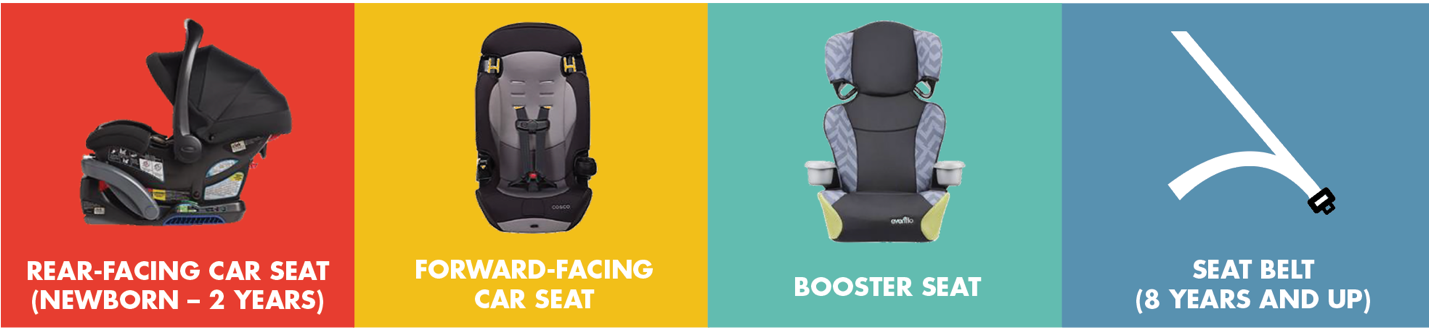
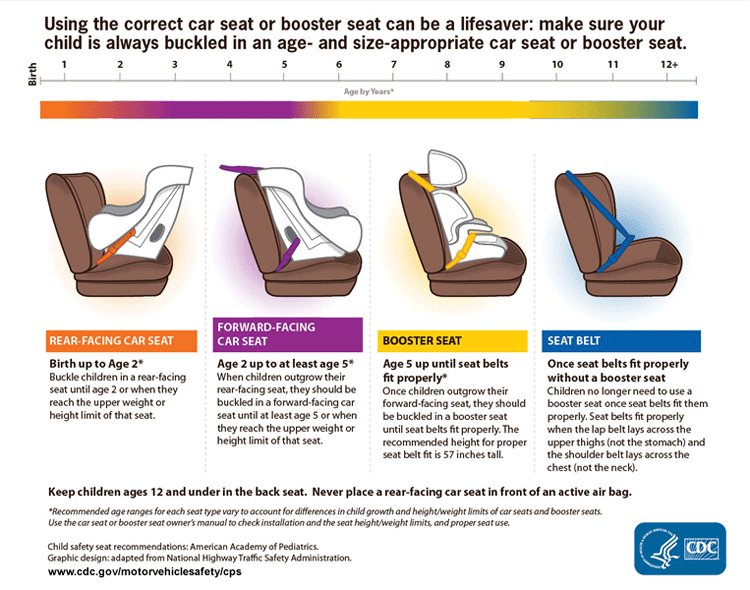
Car seats and booster seats have specific weight and height limits. Rear-facing car seats are for infants under 40 pounds. Forward-facing seats suit children weighing 40 to 80 pounds. Booster seats fit kids who weigh between 40 and 100 pounds. Height limits also apply. Most kids switch out of booster seats at 4 feet 9 inches tall.
Transitioning Between Seats
Moving from one seat to another depends on the child’s size, not just age. Kids should stay in a rear-facing seat as long as possible. Next, they use a forward-facing seat with a harness. Then, they switch to a booster seat once the harness no longer fits well. Seat belt use alone is safe only after kids pass both height and weight limits for booster seats.
Age And Weight Limits
Proper seat installation is vital for child safety in vehicles. A securely installed car seat or booster seat reduces injury risks during accidents. Parents and caregivers must follow clear guidelines to install seats correctly. California law requires that all child safety seats meet specific installation standards. This section explains key steps to ensure proper installation and compliance.
Using Latch Systems
The LATCH system helps secure car seats without using seat belts. It uses lower anchors and tether straps built into the vehicle. Connect the car seat’s lower attachments to the vehicle’s anchors. Tighten straps to remove any slack or movement. Attach the top tether strap to the vehicle’s anchor point behind the seat. This limits forward seat movement during a crash. Always check your vehicle and car seat manuals for LATCH locations. Proper use of LATCH improves seat stability and child safety.
Securing Seat Belts Correctly
Seat belts are essential for installing car seats without LATCH. Route the seat belt through the car seat’s belt path. Lock the seat belt by pulling it all the way out and then letting it retract. This prevents seat belt slack and holds the car seat firmly in place. Press down on the car seat while tightening the belt. Ensure the seat does not move more than one inch side-to-side or front-to-back. Double-check that the seat belt is locked and tight before every trip.
Common Installation Mistakes
Many car seats are installed incorrectly, reducing protection in crashes. Common mistakes include loose straps and incorrect seat belt routing. Using the wrong belt path can cause the seat to move too much. Not attaching the top tether strap weakens the seat’s safety. Placing the seat at the wrong angle can harm a child’s comfort and safety. Avoid using both LATCH and seat belt unless the seat allows it. Regularly inspect the seat installation and adjust as needed to keep it secure.
Proper Seat Installation
California takes child passenger safety seriously. The state enforces strict penalties for not following car seat and booster seat laws. These rules protect children and keep roads safer. Drivers must understand the consequences of violations. Penalties include fines and points on the driver’s license. Law enforcement agencies actively check for compliance during traffic stops and checkpoints.
Fines For Violations
Violating car seat laws in California leads to fines. The base fine starts at $100. Additional fees and assessments can raise the total to over $250. Each child improperly restrained can result in a separate fine. The state aims to discourage unsafe practices with these financial penalties.
Points On Driver’s License
California may add points to a driver’s license for seat belt violations involving children. Points increase insurance costs and risk license suspension. The state uses this system to encourage safer driving habits. Accumulating points can lead to more severe consequences over time.
Enforcement Practices
Police officers actively enforce child passenger safety laws. They perform checks during traffic stops and safety checkpoints. Officers look for correct car seat installation and proper child restraint use. Failure to comply often results in immediate citations. Law enforcement also educates drivers on proper safety measures.
Credit: www.ots.ca.gov
Credit: www.taraval.org
Frequently Asked Questions
What Age Do Kids No Longer Need A Booster Seat In California?
California law requires children to use booster seats until they turn 8 years old or reach 4 feet 9 inches tall.
Can My 40 Pound 3 Year Old Sit In A Booster Seat?
A 40-pound, 3-year-old may sit in a booster seat if they meet height and maturity requirements. Follow California law for safety.
Can I Put My 7 Year Old In A Backless Booster Seat?
A 7-year-old can use a backless booster if they meet height and weight requirements. Always follow state laws.
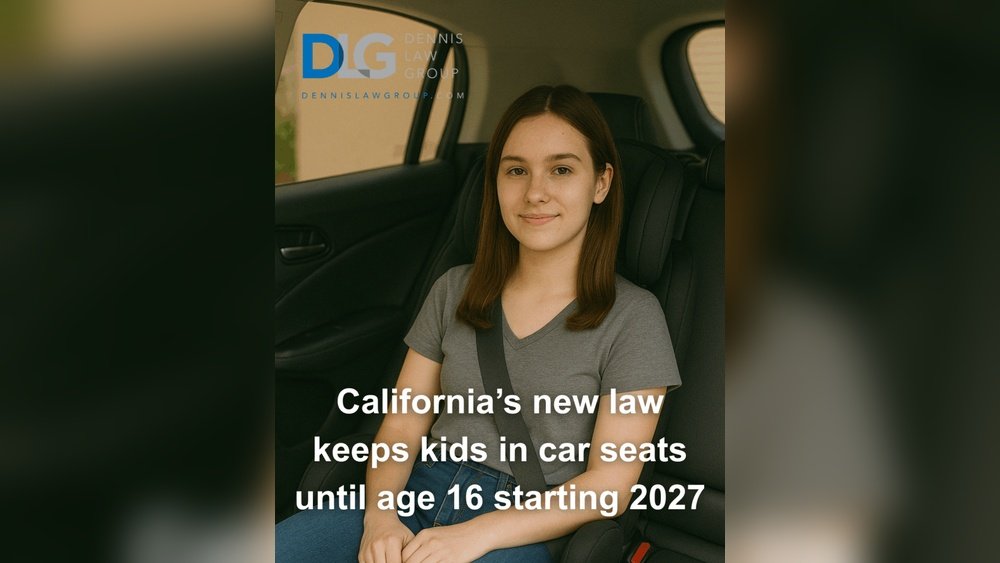
What Is The New Booster Seat Law In California 2027?
California’s 2027 booster seat law requires children under 8 years old or under 4’9″ tall to use booster seats.
What Are California’s Car Seat Laws For Infants And Toddlers?
California law requires infants under 2 years old to ride in a rear-facing car seat. Toddlers must remain in a car seat until they reach the age or size limits set by the seat manufacturer. This rule helps protect young children in crashes.
Conclusion
California’s car seat and booster seat laws protect children on every trip. Following these rules keeps kids safer and helps drivers avoid fines. Remember, children must use proper seats based on their age, height, and weight. Always check the latest regulations to stay updated.
Safe travels start with the right car seat choice. Keep your little ones secure and enjoy peace of mind on the road.

Ismail Hossain is the founder of Law Advised. He is an Divorce, Separation, marriage lawyer. Follow him.