Dumpster Diving Laws in California: What You Need to Know Today
Are you curious about whether dumpster diving is legal in California? Maybe you’ve heard stories of people finding hidden treasures or saving money by digging through dumpsters.
But before you grab a flashlight and start searching, it’s important to know the rules that protect you—and what could get you into trouble. You’ll discover exactly what California laws say about dumpster diving, how local city rules might affect you, and what you should watch out for to stay on the right side of the law.
Keep reading to make sure your next dive is both safe and legal.

Credit: www.yourcentralvalley.com
California State Laws On Dumpster Diving
California has no statewide law that specifically bans dumpster diving. The practice itself is not illegal across the state. People often search dumpsters for reusable or discarded items without breaking state law.
Local rules and property rights, however, affect dumpster diving legality. It is important to understand these rules to avoid trouble with the law.
California Trespassing Laws And Dumpster Diving
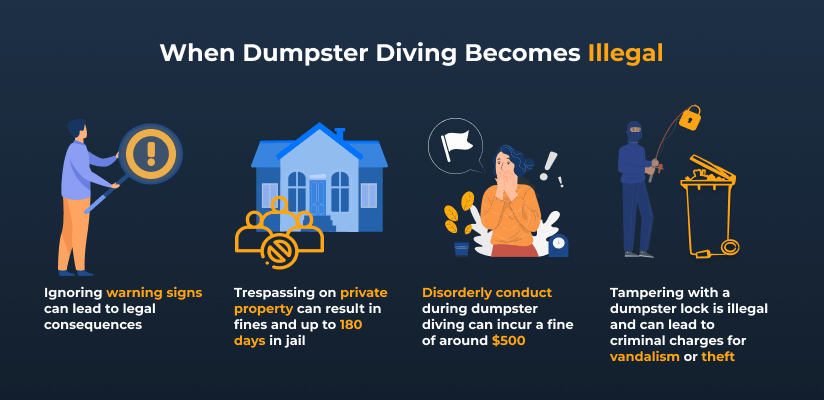
Trespassing laws apply when dumpsters are on private property. Entering fenced areas or locked enclosures to reach a dumpster is illegal. Property owners can press charges if their property is entered without permission.
Dumpsters placed behind buildings or inside restricted zones may require permission to access. Ignoring these rules can lead to fines or arrest for trespassing.
Local Ordinances And Anti-scavenging Rules
Cities in California often have their own rules. Some have anti-scavenging laws that prohibit removing items from bins on public streets. These laws mainly protect recyclables or hazardous waste.
Violating local codes can result in citations or fines. Checking city or county regulations before diving is crucial. These rules vary widely across different areas.
Disorderly Conduct And Public Safety Concerns
Dumpster diving must be done responsibly. Making a mess or blocking sidewalks can lead to charges of disorderly conduct or littering. Police may intervene to maintain public order.
Respecting public spaces ensures safety and avoids legal trouble. Keep the area clean and avoid disturbing others while diving.
Local Ordinances And Restrictions
Local ordinances and restrictions shape dumpster diving rules in California. These rules vary from city to city. Understanding local laws helps avoid fines or legal trouble.
Some California cities have strict anti-scavenging laws. These rules often ban removing items from bins once placed on the curb. The goal is to control trash and recycling collection.
Law enforcement may act if dumpster diving causes public hazards. Blocking sidewalks or leaving trash behind can lead to citations. Disorderly conduct and littering charges are common concerns.
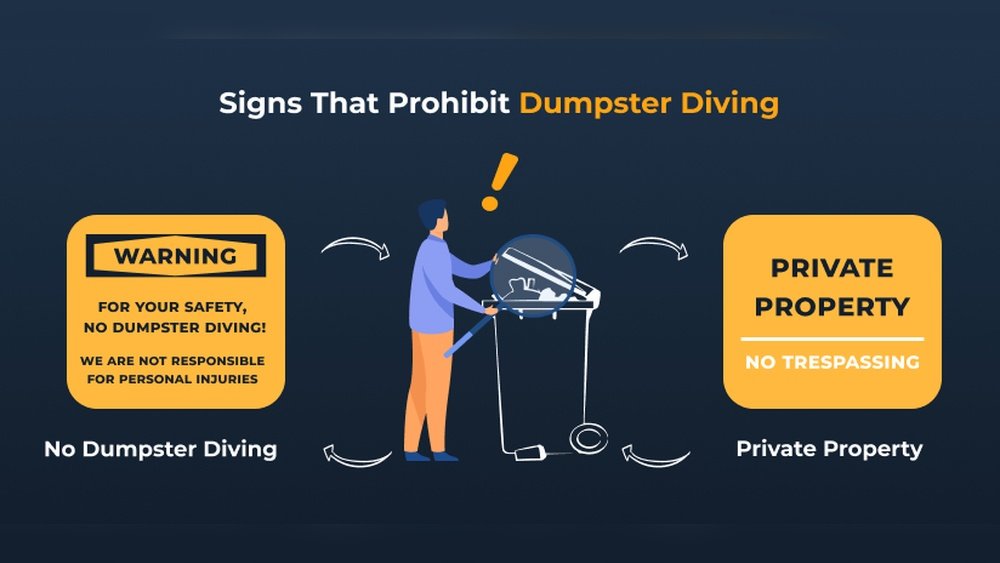
Private property rules also affect dumpster diving. Dumpsters inside fenced areas or marked with “No Trespassing” signs are off-limits. Entering these spaces may lead to police questioning or arrest.
Understanding City-specific Rules
Each city sets its own rules on dumpster diving. Check local municipal codes before you dive. Websites or city offices often provide this information. Knowledge of these rules helps avoid fines.
Trash Collection And Recycling Restrictions
Many cities restrict scavenging from recycling bins. These laws protect recycling programs and keep streets clean. Avoid taking cans, bottles, or other recyclables in these areas.
Private Property And Trespassing Laws
Respect private property signs around dumpsters. Trespassing laws vary but can be strict. Always look for fences or “No Trespassing” signs. Avoid entering private land without permission.
Private Property And Trespassing Rules
Dumpster diving in California involves important legal boundaries, especially regarding private property. Respecting these rules keeps you safe from legal trouble. Property owners have the right to control access to their land. Trespassing laws protect these rights strictly.
Understanding how private property and trespassing laws apply is essential. Not all dumpsters are open for public use. Many are located on private land or behind fences. Entering such areas without permission can lead to serious consequences.
What Counts As Private Property?
Private property includes any land or buildings owned by individuals or companies. This often includes dumpsters placed behind fences or gates. Even if the dumpster is visible from the street, the land around it may still be private. Accessing these areas without approval can be illegal.
California Trespassing Laws
California law forbids entering private property without consent. This includes walking onto land or into enclosed areas. Signs like “No Trespassing” clearly warn against entry. Violating these rules can result in fines or arrest. Police take trespassing seriously, especially on business properties.
Permission And Safety Tips
Always seek permission before accessing dumpsters on private property. Asking store managers or property owners is a good practice. This prevents misunderstandings and legal issues. Keep safety in mind and avoid climbing fences or locks. Respect property boundaries to stay within the law.
Potential Legal Consequences
Dumpster diving in California carries risks beyond just finding discarded items. Legal troubles can arise from misunderstanding the laws. Knowing potential consequences helps avoid fines or criminal charges. The legal system treats dumpster diving differently depending on the situation and location.
Criminal Charges For Trespassing
Many dumpsters are on private property. Entering these areas without permission counts as trespassing. Police can arrest you for ignoring “No Trespassing” signs. This can lead to misdemeanor charges and possible jail time. Always respect property boundaries to avoid legal trouble.
Fines For Theft And Scavenging
Removing items from dumpsters may be considered theft. Some cities have anti-scavenging laws. These laws ban taking recyclables or trash from bins placed for collection. Violating these rules can result in fines. The amount varies by city and can be costly.
Disorderly Conduct And Littering Violations
Making a mess during dumpster diving can cause trouble. Blocking sidewalks or leaving trash behind can lead to citations. Police may charge you with disorderly conduct or littering. These offenses bring fines and sometimes community service. Keep the area clean to stay safe legally.
Police Interaction And Possible Arrest
Police often patrol areas known for dumpster diving. They may question or detain you if suspicious. Refusing to cooperate can escalate the situation. Arrest is possible if laws are broken or property is damaged. Staying calm and respectful helps avoid further issues.
Best Practices For Safe Dumpster Diving
Safe dumpster diving requires clear awareness of laws and health risks. Following best practices keeps you safe and avoids legal issues. Being prepared and cautious helps make the experience positive and trouble-free.
Wear Protective Clothing
Always wear gloves to protect your hands from sharp objects. Long sleeves and pants guard against scrapes and germs. Closed-toe shoes prevent injuries from broken glass or metal.
Check Local Laws And Signs
Know the rules for dumpster diving in your area. Some places have signs that forbid scavenging or trespassing. Respect these signs to avoid fines or police trouble.
Choose Safe Locations
Pick dumpsters in well-lit, public places. Avoid fenced or private property marked “No Trespassing.” Safety improves in busy areas where help is nearby.
Inspect Contents Carefully
Look for sharp objects, broken glass, or spoiled food. Avoid items that could cause harm or illness. Only take what is clean and usable.
Bring A Flashlight
Use a flashlight to see clearly inside dumpsters at night. It helps spot hazards and valuable items. Bright light also signals your presence to others, enhancing safety.
Dispose Of Waste Properly
Do not leave trash or mess behind. Clean up after diving to avoid littering fines. Respect the environment and the community.
Go With A Friend
Dumpster dive with a partner for added safety. Help is available if an accident happens. Two people can watch out for dangers together.
Credit: nearu.pro

Credit: sites.owu.edu
Frequently Asked Questions
Can I Dumpster Dive At Tj Maxx?
Dumpster diving at TJ Maxx is generally illegal without permission. Trespassing on private property can lead to legal trouble. Always check local laws and store policies before attempting.
Is Dumpster Diving Legal In California In 2026?
Dumpster diving in California in 2026 is legal unless local ordinances prohibit it. Avoid trespassing on private property. Check city rules before diving.
Can You Call The Cops On Dumpster Divers?
You can call the cops on dumpster divers if they trespass, cause a mess, or violate local laws. Always check city rules first.
Should I Ask Permission Before Dumpster Diving?
Yes, ask permission before dumpster diving on private property. Trespassing can lead to legal trouble. Check local laws and respect private property.
Is Dumpster Diving Legal In California?
Dumpster diving is generally legal in California unless local laws say otherwise. Some cities have rules against taking items from bins on the curb. Always check city or county laws before diving.
Conclusion
California’s dumpster diving laws vary by city and situation. Always check local rules before you dive. Avoid trespassing on private property or fenced areas. Keep the area clean to prevent littering or disorderly conduct charges. Respect signs that prohibit scavenging or entry.
Staying informed helps you avoid legal trouble. Responsible diving can be safe and lawful. Remember, each city may have unique ordinances. Being cautious protects you and others. Stay safe and know the rules before you explore.

Ismail Hossain is the founder of Law Advised. He is an Divorce, Separation, marriage lawyer. Follow him.