Bicycle Helmet Laws in Washington State: What Riders Must Know
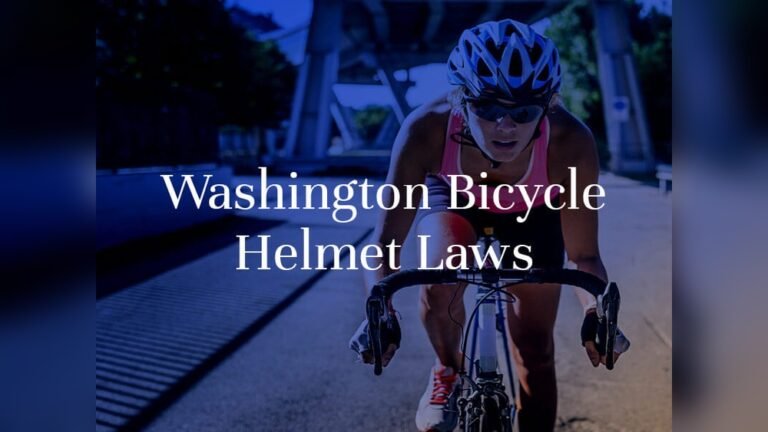
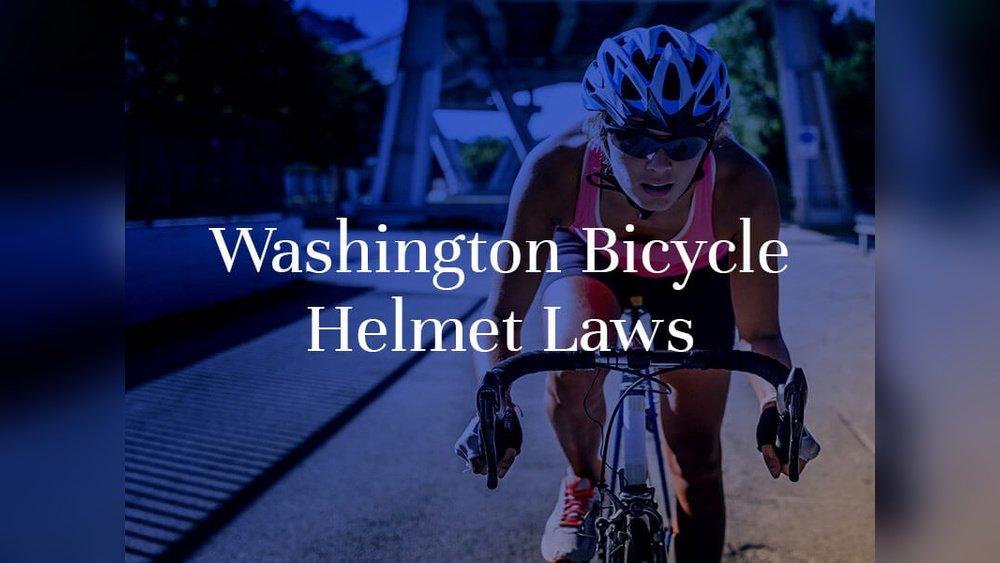
Are you planning to hit the bike trails or cruise through city streets in Washington State? Before you grab your helmet and ride, it’s important to know the bicycle helmet laws that apply to you.
While Washington doesn’t have a statewide helmet law for all cyclists, certain cities and counties do require you to wear one. Plus, if you’re riding an electric bike or motorized scooter, helmet rules can be different. Understanding these regulations isn’t just about following the law—it’s about keeping yourself safe every time you ride.
Keep reading to discover exactly where and when you need to wear a helmet in Washington State, so you can ride with confidence and peace of mind.
Credit: tamakilaw.com
Statewide Helmet Regulations
Washington State does not have a universal law requiring bicycle helmets. Riders across the state are not legally bound to wear helmets by a single, statewide rule. This means helmet use is generally a personal choice for most bicyclists.
Despite the absence of a statewide law, some local areas have their own helmet rules. These local laws aim to improve safety in specific communities. It is important to know the regulations where you ride to avoid penalties and stay safe.
Absence Of Universal Helmet Law
Washington has no statewide mandate for wearing bike helmets. No law applies to all riders everywhere in the state. This makes Washington different from many other states with strict helmet laws.
Without a universal rule, helmet use varies by individual preference and local policies. Many cyclists choose to wear helmets for safety, even if not required by law.
Exceptions In Specific Counties
Certain counties in Washington have their own helmet laws. For example, Pierce and Spokane Counties require helmets on public paths and roads. These rules apply to all bicyclists within those areas.
Electric bike riders must follow helmet laws as well. State law requires helmets for anyone operating electric bicycles or motorized scooters. Checking local regulations before riding is important.
Local Helmet Laws
Washington State does not have a universal helmet law for all bicyclists. Local governments set their own rules about helmets. These local laws can vary widely.
Knowing the rules in your area helps keep you safe and legal. Some counties require helmets for all riders. Others only for young cyclists. Here is a look at some important local helmet laws.
Pierce County Requirements
Pierce County requires helmets for all bicyclists under 18 years old. This rule applies on all public roads and bike paths. Adults are not legally required to wear helmets here. The law aims to protect young riders from head injuries.
Spokane County Requirements
Spokane County has similar rules. Children under 16 must wear helmets when riding bikes. This includes public streets and parks. Adults can ride without helmets, but wearing one is encouraged. Local law enforcement may issue fines for violations involving minors.
Other Municipal Rules To Consider
Many cities in Washington have their own helmet laws. For example, Seattle requires helmets for riders under 16. Some towns may have stricter rules for electric bike riders. Always check local city codes before riding. These rules help reduce injuries and promote safety.
Helmet Rules For E-bikes And Scooters
Bicycle helmet rules in Washington State vary by vehicle type and location. E-bikes and motorized scooters have specific helmet requirements. Riders must understand these rules to stay safe and legal. Helmet laws help protect riders from head injuries during accidents.
State Helmet Requirements For E-bikes
Washington State requires helmet use for all electric bicycle riders under 18 years old. Adults over 18 are not legally required to wear helmets on e-bikes. However, wearing a helmet is strongly recommended for safety. Local cities or counties may enforce stricter helmet laws for e-bike riders. Riders should check local regulations before riding.
Motorized Scooter Helmet Laws
Helmet use is mandatory for motorized scooter riders under 16 years old. Riders 16 and older are not required by state law to wear helmets. Local ordinances may impose different helmet rules. Helmets reduce the risk of serious head injuries on scooters. Safety experts urge all scooter riders to wear helmets regardless of age.
Credit: www.ridetogetherpierce.com
Safety Recommendations
Safety is the top priority for every cyclist in Washington State. Wearing a helmet can protect your head from serious injuries during accidents. Even if local laws don’t require helmets everywhere, safety experts strongly recommend using them. Helmets reduce the risk of brain injury and increase your chances of a safe ride.
Choosing the right helmet is also important. It should fit snugly and meet safety standards. Adjust the straps properly to keep it secure on your head. Regularly check your helmet for cracks or damage and replace it after any major impact.
Benefits Of Wearing Helmets
Helmets provide a strong layer of protection for your head. They absorb impact forces in crashes, lowering injury severity. Studies show helmet use cuts the risk of head injury by up to 85 percent. Helmets also boost rider confidence and encourage safer biking habits. Wearing one can save your life or prevent long-term health issues.
Resources For Local Laws
Washington State does not have a universal helmet law. Some cities and counties, such as Pierce and Spokane, require helmets. E-bike riders must follow the same helmet rules as regular bicyclists. Check official websites like the Washington State Department of Transportation for updates. Local government pages and biking organizations also provide clear summaries of helmet requirements in your area.
Legal Consequences
Legal consequences for not wearing a bicycle helmet in Washington vary by location. Since the state lacks a universal helmet law, local rules apply. Some counties and cities enforce helmet requirements strictly. Understanding the penalties and enforcement helps cyclists stay safe and compliant.
Penalties In Counties With Helmet Laws
Pierce and Spokane Counties require helmets for riders in public areas. Violating these rules can lead to fines. The fines are usually modest but increase with repeat offenses. Parents may be held responsible if children do not wear helmets. These penalties aim to encourage helmet use and reduce injuries.
Enforcement Practices
Local police officers patrol areas where helmet laws exist. They stop cyclists who do not wear helmets and issue citations. Enforcement often focuses on high-traffic locations and school zones. Some areas use warnings before issuing fines to first-time offenders. Consistent enforcement promotes safer riding habits among all ages.

Credit: albrechtlawfirm.com
Additional Bicycle Laws In Washington
Washington State has several additional bicycle laws that every rider should know. These rules help keep cyclists safe and ensure smooth traffic flow. Understanding them makes riding safer for everyone.
Restricted Areas For Cyclists
Cyclists cannot ride on highways designed for high-speed traffic. These limited-access highways are dangerous for bikes. Riding on sidewalks is allowed unless local signs say otherwise. Some parks and trails may restrict bike access. Always check local rules before entering these areas.
Reflector And Equipment Requirements
Bicycles must have a white front light and a red rear light or reflector at night. Reflectors on pedals and wheels improve visibility. Bells or horns are required to alert pedestrians and other riders. Proper brakes on both wheels are mandatory. These requirements help prevent accidents and improve safety on the road.
Tips For Riders
Riding a bicycle safely in Washington State means knowing more than just how to pedal. Helmets play a key role in protecting riders from injury. Although no state-wide helmet law exists, some local areas have specific rules. Following simple tips can help every rider stay safe and informed.
Checking Local Regulations Before Riding
Washington State does not require helmets for all riders. Some counties and cities have their own rules. Pierce and Spokane Counties, for example, require helmets in public areas. Electric bike riders must follow helmet laws too. Always check local regulations before you ride. Visit official sites like the Washington State Department of Transportation for updates. Knowing the rules helps you avoid fines and stay safe.
Promoting Helmet Use Among Riders
Wearing a helmet reduces the risk of head injury. Encourage friends and family to wear helmets every time they ride. Share facts about helmet safety in your community. Lead by example and always wear a helmet yourself. Schools and local groups can help spread the message. Safe riding habits start with each rider choosing protection.
Frequently Asked Questions
Is It Illegal To Ride A Bicycle Without A Helmet In Washington?
Washington state has no statewide bicycle helmet law. Some cities and counties, like Pierce and Spokane, require helmets. Check local rules before riding.
Why Do Bikers Say “on Your Left”?
Bikers say “on your left” to warn riders or pedestrians they will pass on the left side. It ensures safe overtaking.
What Is The 2 2 2 Rule When Fitting A Helmet On Your Head?
The 2-2-2 rule means the helmet should sit 2 fingers above eyebrows, fit 2 fingers from the temple, and have 2 fingers under the chin strap.
Can A 12 Year Old Ride A Bike Without A Helmet?
A 12-year-old may ride a bike without a helmet where no local laws require it. Check city or county rules. Many areas mandate helmets for minors. Always wear a helmet for safety, regardless of legal requirements.
Conclusion
Bicycle helmet laws in Washington vary by city and county. Some areas require helmets, while the state does not. Always check local rules before you ride. Wearing a helmet helps protect your head in case of accidents. Staying safe on the road is your responsibility.
Follow the laws and use common sense. Ride smart, stay alert, and protect yourself every time.

Ismail Hossain is the founder of Law Advised. He is an Divorce, Separation, marriage lawyer. Follow him.