Service Animal Laws in Washington State: Essential Rights & Rules
If you rely on a service animal or want to understand your rights in Washington State, knowing the laws that protect you is essential. These rules can affect where you and your animal can go, what businesses must allow, and how to handle any challenges you might face.
Getting clear on service animal laws helps you feel confident and secure in everyday situations. Keep reading to discover exactly what you need to know to protect your rights and your service animal’s place by your side.
Washington Service Animal Definitions
Washington State has clear laws about service animals. These laws help protect people who need animals for assistance. Knowing the definition of service animals helps you understand your rights and duties.
Service animals are more than pets. They are trained to help people with disabilities. The law sets rules about which animals qualify and what they can do.
Types Of Service Animals Recognized
Washington recognizes dogs as the main type of service animal. These dogs perform tasks for people with disabilities. Tasks include guiding, alerting, or helping with daily activities.
Other animals are not usually recognized as service animals in Washington. The focus is on dogs because they can be trained for many helpful tasks.
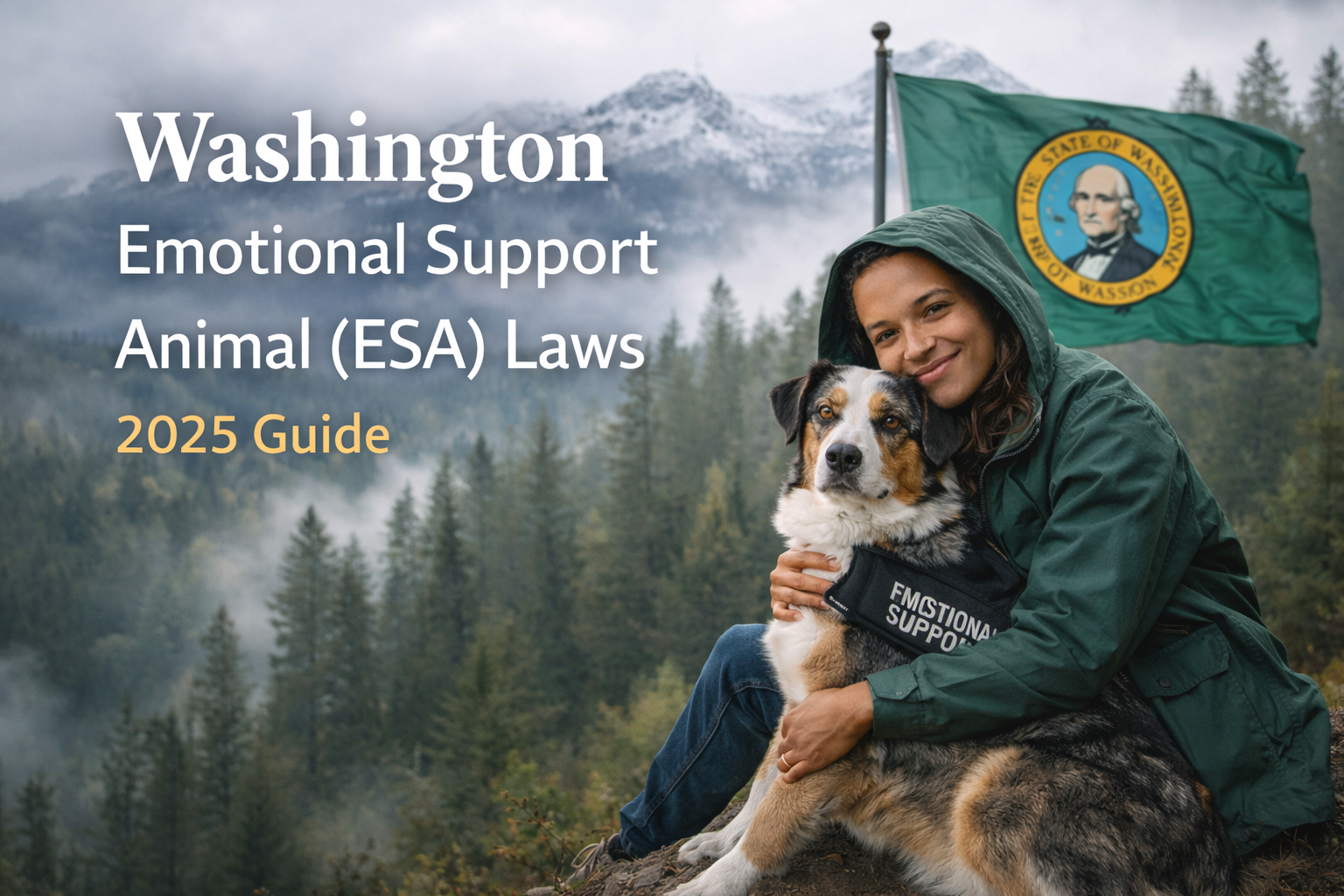
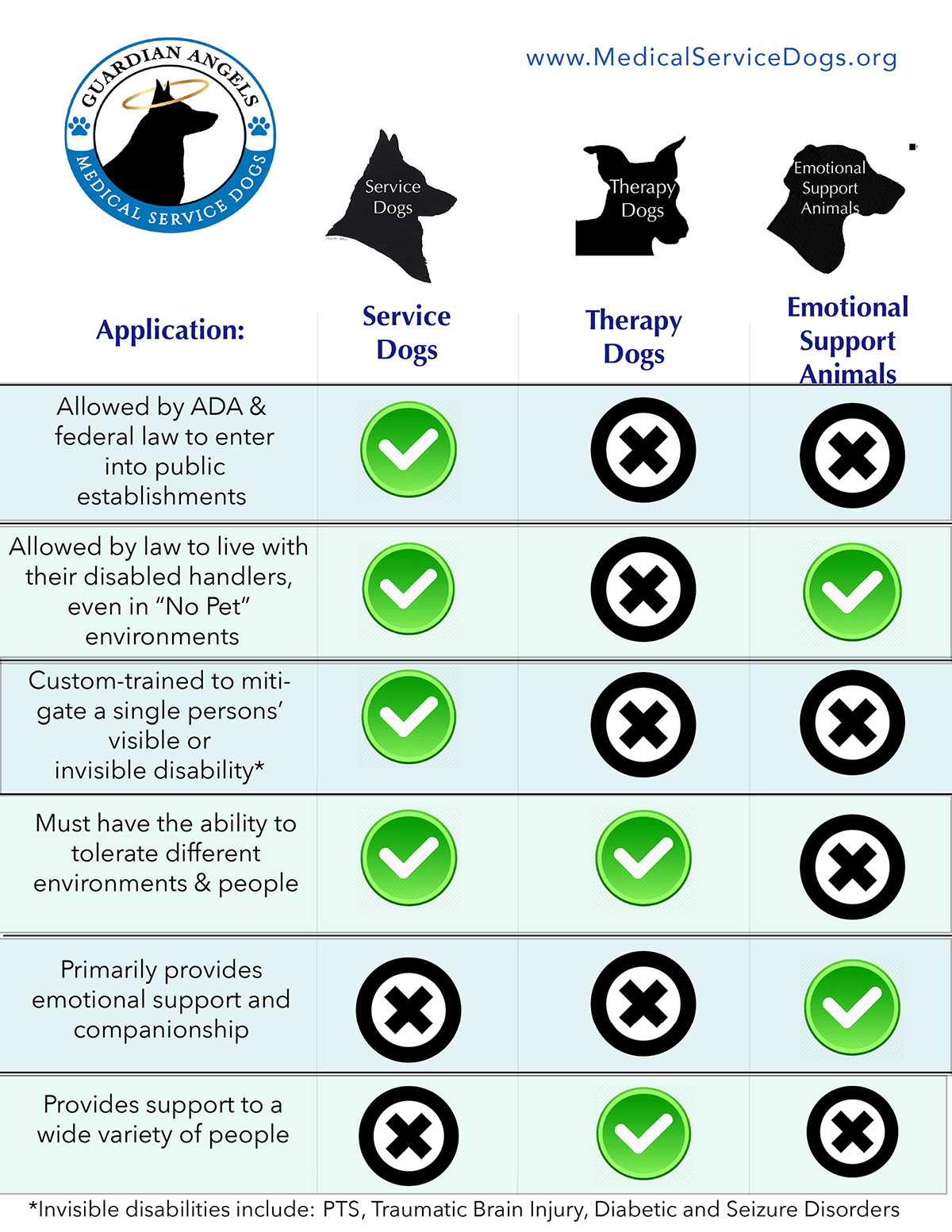
Distinction Between Service And Emotional Support Animals
Service animals have special training to assist with disabilities. Emotional support animals provide comfort but have no special training.
Washington law gives more access rights to service animals. Emotional support animals do not have the same public access rights.
Understanding this difference helps avoid confusion about which animals are allowed in public places.
Credit: www.nsarco.com
Rights Of Service Animal Users
Service animal users in Washington State have specific rights that protect their ability to live independently and participate fully in society. These rights ensure that people using service animals face fewer barriers in everyday activities. Understanding these rights helps service animal users know what to expect and how to advocate for themselves.
Access To Public Places
Service animal users can enter most public places with their animals. This includes stores, restaurants, and public transportation. Businesses must allow service animals to accompany their handlers. They cannot charge extra fees or require proof of training.
Service animals must be under control and not cause disruptions. If a service animal behaves aggressively, staff may ask the user to remove the animal. Otherwise, access cannot be denied based on the animal’s presence.
Housing Protections
Washington State law protects service animal users from housing discrimination. Landlords must allow service animals, even in properties with pet restrictions. There is no pet deposit or extra fee allowed for a service animal.
Housing providers can ask for documentation that the animal is a service animal. However, they cannot ask about the user’s disability. The service animal must not damage the property or disturb neighbors.
Employment Accommodations
Employers must provide reasonable accommodations for service animal users. This may include allowing the animal to stay with the employee during work hours. Accommodations must not cause undue hardship to the employer.
Service animals help employees perform essential job functions. They support users with disabilities in maintaining productivity and safety. Employers cannot refuse to hire or fire someone because they use a service animal.
Rules And Responsibilities
Washington State has clear rules for service animals. These rules protect the rights of people who need service animals. They also ensure the animals behave properly in public.
Service animal owners must follow certain responsibilities. These rules help keep everyone safe and respectful. Understanding these duties is important for both owners and the public.
Behavior And Control Requirements
Service animals must behave well in public places. They should not bark, bite, or cause disruptions. Owners must keep their animals under control at all times. Using a leash or harness is often required. Animals must stay calm and focused on their tasks. Misbehaving animals can be asked to leave.
Identification And Documentation
Washington State does not require official ID for service animals. Owners do not have to show papers or certification. However, businesses can ask if the animal is a service animal. They can also ask about the tasks the animal performs. False claims about service animals are illegal and can cause problems.
Penalties For Misuse
Misusing service animal laws is a serious offense in Washington. Pretending a pet is a service animal can lead to fines. It can also hurt people who really need service animals. The law aims to protect both service animal users and the public. Respecting these rules keeps the system fair for all.
Credit: www.leatheritalia.com.au
Credit: www.artisticd.com
Frequently Asked Questions
What Animals Qualify As Service Animals In Washington State?
Only dogs and miniature horses are recognized as service animals under Washington law. These animals must be trained to assist with a disability. Other pets do not have legal service animal status.
Can Businesses Ask For Proof Of A Service Animal?
Businesses may ask if the animal is required due to a disability and what tasks it performs. They cannot demand documentation or proof of training. This limits unnecessary privacy invasions.
Are Emotional Support Animals Protected Under Washington Law?
Emotional support animals are not considered service animals under Washington state law. They do not have the same access rights in public places. Protection mainly covers dogs trained for specific tasks.
What Rights Do Service Animal Handlers Have In Public Places?
Service animal handlers can enter all public areas with their animals. Businesses cannot charge extra fees or deny access. Service animals must be under control and behave properly.
Conclusion
Understanding service animal laws in Washington State helps protect your rights. These laws ensure service animals can accompany their owners in public places. Knowing the rules prevents misunderstandings and supports respect for people with disabilities. Always carry proper identification and be polite when discussing service animals.
Staying informed makes life easier for everyone involved. Follow these guidelines to create a welcoming environment for all. Your awareness matters.

Ismail Hossain is the founder of Law Advised. He is an Divorce, Separation, marriage lawyer. Follow him.