Motorcycle Helmet Laws in Washington State: Essential Guide 2026
Riding a motorcycle in Washington State is thrilling, but it comes with important rules you need to know—especially about helmets. Are you aware that the law requires every rider and passenger to wear a helmet that meets specific safety standards?
Whether you’re a seasoned rider or just starting out, understanding these helmet laws isn’t just about following the rules—it’s about protecting your life and avoiding costly fines. Keep reading to discover exactly what Washington State expects from you when you hit the road, so you can ride safely and confidently.

Credit: russellandhill.com
Washington Helmet Law Basics
Washington State has clear rules about motorcycle helmets. These laws protect riders and passengers. Wearing a helmet reduces serious injuries in crashes.
Understanding the basics helps riders stay safe and follow the law. The state requires helmets that meet safety standards. Both drivers and passengers must comply.
Who Must Wear Helmets
All motorcycle riders in Washington must wear helmets. Passengers on motorcycles must also wear helmets. This rule applies to every rider, regardless of age.
There are no exceptions based on the type of motorcycle. Even short trips require helmet use. This law helps prevent severe head injuries.
Definition Of Approved Helmets
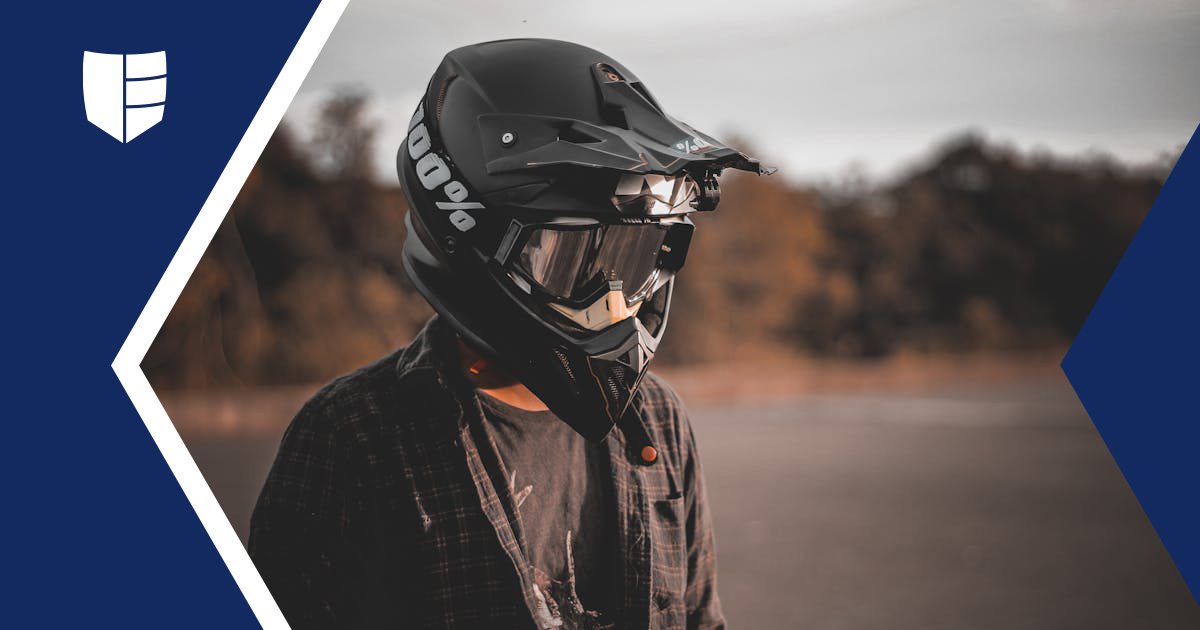
Helmets must meet federal safety standards set by the DOT. They need a hard outer shell and an impact-absorbing liner inside. A secure chin strap is mandatory for all helmets.
Only helmets with these features are legal in Washington. Helmets without DOT certification do not meet the law. Wearing an approved helmet ensures better protection.
Helmet Safety Standards
Washington State enforces strict helmet safety standards to protect motorcyclists. These standards ensure helmets provide effective protection in crashes. All helmets must comply with specific safety criteria before use on public roads.
Understanding these standards helps riders choose helmets that meet legal and safety requirements. Proper helmets reduce injury risks and enhance rider confidence.
Dot Certification Requirements
Helmets must have a DOT certification sticker. This means the helmet meets federal safety standards set by the Department of Transportation. The DOT tests helmets for impact resistance, penetration, and retention system strength. Helmets without this certification are illegal for road use in Washington.
Helmet Design Features
Approved helmets feature a hard outer shell made from polycarbonate or fiberglass. Inside, impact-absorbing foam cushions the rider’s head. This design helps absorb crash forces and reduce injury severity. Many helmets also include ventilation to keep riders cool and comfortable.
Chin Strap And Fit
The chin strap must secure the helmet firmly to the head. A loose helmet can fail to protect during an accident. Straps should fasten snugly and stay in place without causing discomfort. Proper fit means the helmet covers the top of the forehead and sits level on the head.
Eye Protection Rules
Washington State law requires motorcyclists to protect their eyes while riding. Eye protection helps keep vision clear and guards against wind, dust, and debris. Riders must wear proper eye gear unless their motorcycle has a windshield that meets state standards.
This rule ensures safety and reduces accidents caused by impaired vision. Understanding what qualifies as acceptable eye protection is crucial for all riders in Washington.
Goggles And Face Shields
Riders must wear goggles or face shields approved for motorcycle use. These must cover the eyes fully and prevent objects from striking the rider’s face. Glasses alone usually do not meet the legal requirements unless combined with other eye protection.
The gear should be securely fastened and free from scratches or damage. Clear vision is essential, so tinted or colored lenses must be allowed by law and used carefully during low light.
Windshield Exceptions
If a motorcycle has an official windshield, riders are not required to wear separate eye protection. The windshield must be certified by the manufacturer and cover the rider’s face area properly.
This exception applies only if the windshield remains intact and clear. Cracked or missing windshields do not excuse riders from wearing goggles or face shields. The windshield must also be in good condition to protect the rider’s eyes effectively.
Penalties For Noncompliance
Not following the motorcycle helmet laws in Washington State leads to serious penalties. Authorities strictly enforce these rules to keep riders safe. Penalties can affect your finances and legal standing. Ignoring helmet laws also risks your insurance coverage. Understanding the consequences helps you avoid trouble and protect yourself on the road.
Fines And Legal Consequences
Riders caught without a helmet face fines. The amount varies but can reach several hundred dollars. Police officers issue citations on the spot. Repeat offenses often result in higher fines. Courts may also impose other penalties like community service. In some cases, it could affect your driving record. Law enforcement takes helmet noncompliance seriously to reduce injuries.
Impact On Insurance Claims
Not wearing a helmet can complicate insurance claims. Insurance companies may reduce or deny payouts after crashes. They often argue the rider increased their risk by ignoring safety laws. This could leave you responsible for medical costs and damages. Wearing a DOT-approved helmet helps protect your rights. It ensures smoother claim processing and better coverage. Always follow helmet laws to avoid insurance problems.
Helmet Law Updates For 2026
Washington State is updating its motorcycle helmet laws for 2026. These changes aim to improve rider safety and clarify current rules. Riders should stay informed about new legal requirements before hitting the road next year.
Recent Legislative Changes
The state legislature passed new rules affecting motorcycle helmet use. All riders and passengers must wear helmets meeting federal DOT standards. Helmets need a hard outer shell, impact-absorbing liner, and secure chin strap. The law now includes stricter guidelines on helmet certification and design.
There are also adjustments regarding age exemptions. Riders under 21 must always wear helmets. Those over 21 may have limited exceptions if they carry specific insurance. The updates close loopholes found in previous versions of the law.
Expected Enforcement Adjustments
Law enforcement agencies will increase helmet law checks starting in 2026. Officers will focus on verifying helmet certification and proper fit. Fines for violations will become more consistent across counties. This consistency helps ensure all riders face the same rules.
Public safety campaigns will launch to educate riders about the new rules. These efforts aim to reduce accidents and injuries. The state expects better compliance and safer roads with these enforcement changes.
Choosing The Right Helmet
Choosing the right motorcycle helmet is key for safety and legal compliance in Washington State. A good helmet protects your head during accidents and meets the state’s strict laws. Wearing a helmet that fits well and feels comfortable encourages riders to keep it on every time they ride.
Consider several factors before buying a helmet. The right helmet can reduce injury risk and improve your riding experience. Focus on quality, comfort, and certification to find the best match for your needs.
Features To Look For
Look for helmets with a hard outer shell made of polycarbonate or fiberglass. This shell helps absorb impact during a crash. Inside padding should fit snugly and cushion your head. Check for a strong chin strap that fastens securely and stays in place.
Choose helmets that meet DOT (Department of Transportation) standards. This certification ensures the helmet passed safety tests required in Washington State. Ventilation is important to keep you cool during long rides. Also, pick a helmet with a clear visor or face shield to protect your eyes from dust and wind.
Popular Helmet Types
Full-face helmets cover the entire head and offer the most protection. They shield your face, chin, and jaw. Open-face helmets protect the top and sides but leave the face exposed. They provide more airflow but less coverage.
Modular helmets combine features of full-face and open-face helmets. They have a flip-up chin bar for convenience. Half helmets cover only the top of the head and offer the least protection. Many riders use them for short trips or city riding.
Helmet Laws Compared Nationwide
Motorcycle helmet laws vary widely across the United States. Each state sets its own rules about who must wear helmets and under what conditions. Some states require all riders and passengers to wear helmets. Others only require helmets for certain age groups or riders with specific licenses. A few states have no helmet laws at all. This variety affects rider safety and legal responsibilities.
States With Universal Helmet Laws
Universal helmet laws require all motorcycle riders and passengers to wear helmets. These laws apply regardless of the rider’s age or experience. States with universal helmet laws have seen lower rates of head injuries and fatalities. Washington State is one of these states. It mandates helmet use for every motorcyclist and passenger on public roads. This strict rule aims to protect everyone from severe injuries during crashes.
States Without Helmet Requirements
A small number of states do not require helmets for any motorcycle riders. These states leave the decision to wear a helmet up to the rider. This approach may increase the risk of serious injuries in accidents. Riders in these states often face higher medical costs after crashes. Lack of helmet laws can also impact insurance claims and legal issues. Riders should weigh the risks carefully before choosing not to wear a helmet.
Common Helmet Misconceptions
Many riders have wrong ideas about motorcycle helmets. These myths cause confusion and unsafe choices. Understanding common helmet misconceptions helps riders protect themselves better.
Washington State law requires all motorcyclists and passengers to wear helmets that meet safety standards. Yet, some riders ignore rules due to false beliefs about helmets.
Helmet Tapping Signals
Helmet tapping is a common signal among riders. One tap usually means “look out” or “danger ahead.” Two taps often mean “let’s ride together” or “follow me.”
Some believe tapping a helmet means it is safe to remove it. This is wrong. Tapping only sends a message. Helmets must stay on while riding.
Ignoring helmet laws after a tap can lead to serious injuries. Always keep your helmet fastened and secure, no matter what signals you receive.
Myths About Helmet Safety
One myth is helmets block vision or hearing. Modern helmets are designed to allow clear sight and sound. They do not reduce awareness.
Another myth says helmets cause neck injuries. Research shows helmets protect the head and reduce injury risks. They do not increase neck damage.
Some riders think helmets are not needed for short trips. Accidents happen anytime. Wearing a helmet every time reduces risk of severe injury.
Only helmets approved by the Department of Transportation (DOT) meet safety standards. Cheap or non-certified helmets may not protect well.
Additional Motorcycle Safety Gear
Riding a motorcycle demands more than just a helmet for safety. Additional gear improves protection and reduces injury risk. Wearing the right equipment helps riders stay safe on Washington roads.
Protective Clothing
Protective clothing shields your body from abrasions and impacts. Jackets made of leather or durable textile provide extra defense. Pants with reinforced panels protect your legs during a fall.
Gloves guard your hands against cuts and cold weather. Boots with sturdy soles protect feet and ankles. This gear reduces injury severity in crashes and road slips.
Visibility Enhancements
High visibility gear makes you easier to see by other drivers. Bright colors like neon yellow or orange stand out well. Reflective strips on jackets and helmets increase visibility at night.
Adding lights or reflective tape to your bike boosts safety. Clear visibility lowers the chances of accidents caused by other drivers. Visibility gear is vital for riding in low light or bad weather.
Credit: www.jrbolandlaw.com

Credit: epic-law.com
Frequently Asked Questions
Is It Legal To Drive A Motorcycle Without A Helmet In Washington State?
Washington State law requires all motorcycle riders and passengers to wear a DOT-approved helmet at all times. Driving without a helmet is illegal.
What Does It Mean When A Motorcyclist Taps His Helmet Twice?
A motorcyclist tapping his helmet twice signals respect or acknowledgment to another rider. It often means “hello” or “thank you. ”
What Is The 2 2 2 Rule When Fitting A Helmet On Your Head?
The 2-2-2 rule means the helmet should fit snugly with two fingers above the eyebrow, two fingers from the chin strap, and two fingers between the strap and the jaw. This ensures comfort, safety, and proper helmet positioning on your head.
What Three States Do Not Require Motorcycle Helmets?
Three states without mandatory motorcycle helmet laws are Illinois, Iowa, and New Hampshire. Riders may choose whether to wear helmets.
Conclusion
Wearing a helmet in Washington protects riders and obeys the law. All motorcyclists and passengers must wear DOT-approved helmets. Helmets reduce injury risk and save lives in crashes. Always choose a helmet that fits well and meets safety standards. Staying informed about helmet laws keeps you safe and legal on the road.
Ride smart, stay safe, and respect Washington’s helmet rules.

Ismail Hossain is the founder of Law Advised. He is an Divorce, Separation, marriage lawyer. Follow him.