License Plate Laws in Washington State: Essential Rules You Must Know
Are you sure your vehicle’s license plate follows all the rules in Washington State? Understanding license plate laws might seem simple, but missing a detail could cost you a ticket or more.
Whether you just moved here or have been driving for years, knowing the exact requirements helps keep you safe and legal on the road. You’ll discover everything you need to know about Washington’s license plate laws—so you can avoid fines, protect your vehicle, and drive with confidence.
Keep reading to make sure you’re fully up to date.
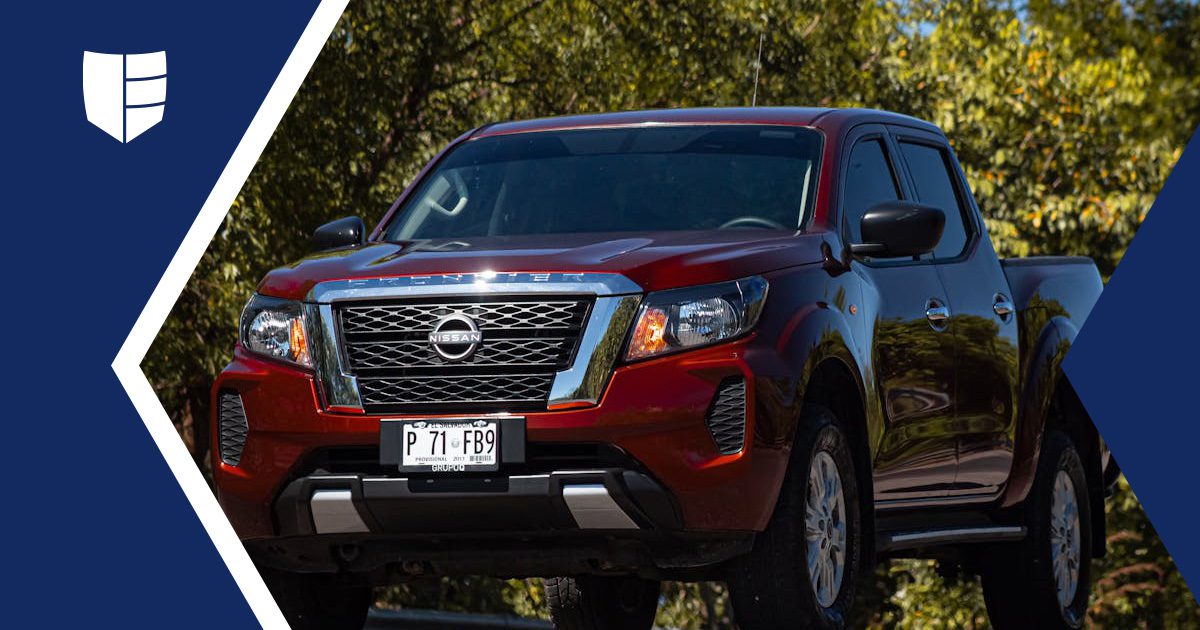
Credit: www.jrbolandlaw.com
Registration Requirements
Registering a vehicle in Washington State is a must for all drivers. The state has clear rules about vehicle registration. These rules help keep cars legal on the road. Understanding these rules avoids fines and legal trouble.
New Vehicle Registration
New vehicles must be registered within 30 days of purchase. The buyer needs to show proof of ownership, like a bill of sale. You must also provide a completed application form. The state requires proof of identity and residency. License plates will be issued after registration. This process applies to both new and used vehicles.
Renewal Process
Vehicle registration must be renewed every year in Washington. Renewal reminders are sent by mail or email. You can renew online, by mail, or in person. Renew early to avoid late fees. Keep your address updated to receive renewal notices. Renewal requires proof of insurance and payment of fees.
Fees And Penalties
Registration fees vary based on vehicle type and weight. Additional fees may apply for specialty plates or late renewal. Failure to register or renew on time leads to penalties. Penalties include fines and possible vehicle impoundment. Always pay fees promptly to avoid extra costs.

Credit: washingtonstatestandard.com
Display Rules
Washington State has clear rules about how license plates must be shown on vehicles. These rules help keep roads safe and make it easy for officers to identify cars. Understanding the display rules is important for every driver in the state.
Front And Rear Plates
Most vehicles in Washington need two license plates. One plate goes on the front of the car. The other goes on the back. Both plates must be clearly visible and securely fastened. Some vehicles, like motorcycles, only require one plate on the rear.
Temporary Permits
Temporary permits allow driving without permanent plates. These permits must be placed where the rear plate usually goes. The permit must be visible at all times until the permanent plates arrive. Drivers should not cover or hide the permit in any way.
Visibility Standards
License plates must be easy to see from a distance. Dirt, snow, or other materials cannot block the plate. Reflective plates should shine when light hits them. Keeping plates clean helps officers read them quickly. Plates that are damaged or faded should be replaced.
Special Plates And Restrictions
Washington State offers a variety of special license plates to meet different needs. These plates support causes, show personal style, or provide important access. The state also sets rules to keep all plates clear and readable. These rules help law enforcement and maintain safety on the road.
Personalized Plates
Personalized plates let drivers choose their own text. You can use letters, numbers, or a mix of both. The state reviews each request to avoid offensive or confusing messages. There is a fee for creating a custom plate. Personalized plates add a unique touch to any vehicle.
Disabled Plates
Disabled plates provide parking benefits for people with disabilities. These plates require a doctor’s certification. They allow access to designated parking spots closer to buildings. The plates must be displayed clearly on the vehicle. Washington State ensures these plates help improve mobility.
Prohibited Modifications
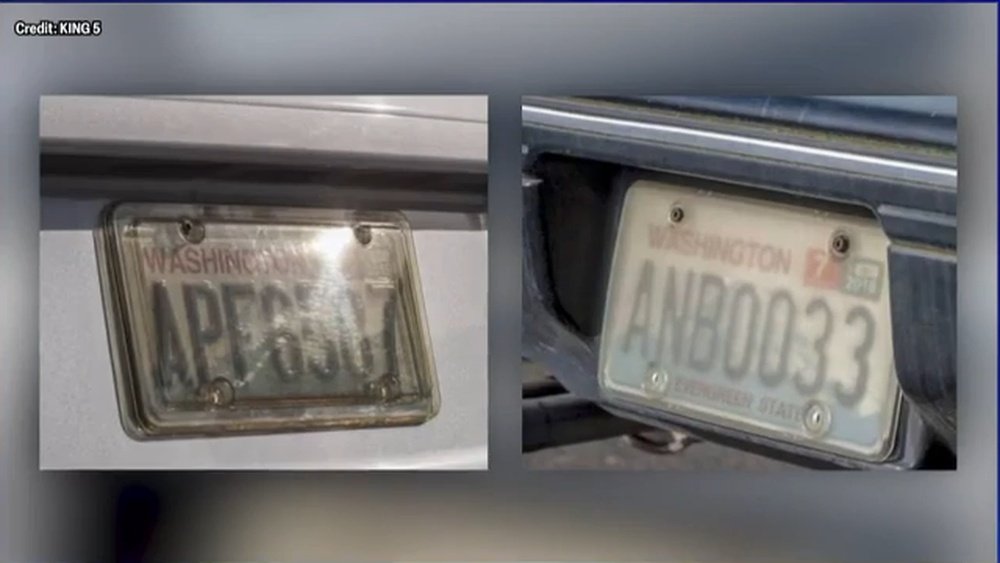
Some modifications to license plates are not allowed. Altering the plate’s size or shape is illegal. Covering the plate with anything that blocks visibility is banned. Using reflective sprays or materials to hide information is also against the law. These rules keep plates easy to read at all times.
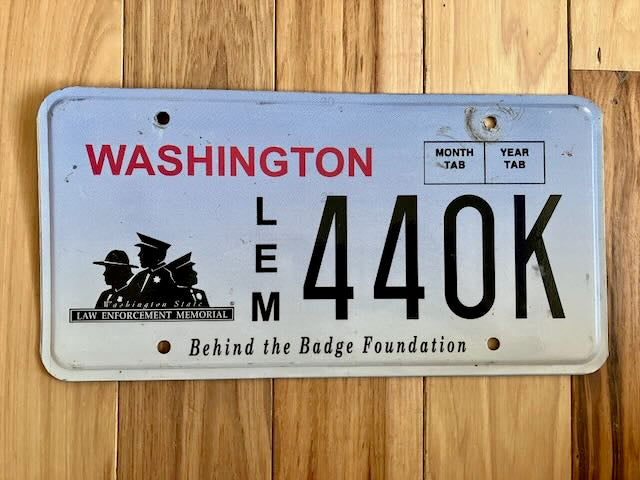
Credit: rusticplates.com
Frequently Asked Questions
What Are The Basic License Plate Rules In Washington State?
Washington requires all vehicles to display license plates on the front and rear. Plates must be clean and clearly visible at all times. Temporary tags are allowed for new vehicles.
How Often Must Washington Vehicle Plates Be Renewed?
License plates in Washington must be renewed every year. Renewal can be done online, by mail, or in person. A renewal notice is sent before the expiration date.
Can I Use A Personalized License Plate In Washington?
Yes, Washington allows personalized plates with custom letters or numbers. The plate must follow state guidelines and cannot include offensive words. Additional fees apply for personalized plates.
What Are Penalties For Not Displaying Plates Correctly In Washington?
Failing to display plates properly can result in fines and penalties. Law enforcement may issue a ticket if plates are missing or obscured. Proper display helps avoid legal trouble.
Conclusion
Knowing Washington State’s license plate laws helps you avoid fines and trouble. Always register your vehicle on time and display your plate clearly. Remember to renew your tags before they expire. Keep your plate clean and readable at all times.
Following these simple rules makes driving easier and safer for everyone. Stay informed and drive responsibly.

Ismail Hossain is the founder of Law Advised. He is an Divorce, Separation, marriage lawyer. Follow him.