Window Tint Laws in Washington State: What You Need to Know
Are you thinking about tinting your car windows in Washington State? Before you make a decision, it’s important to know the rules that affect you.
Window tint laws can be tricky, and getting it wrong might lead to fines or even having to remove your tint. This guide will help you understand exactly what’s allowed, so you can stay safe and legal on the road.
Keep reading to make sure your window tint is just right for Washington’s laws.
Washington Tint Regulations
Washington State has clear rules about car window tint. These rules protect drivers and passengers. They also help police officers see inside vehicles when needed.
Knowing these rules helps avoid fines and keeps your car legal. Different types of vehicles have different limits. Certain windows have special rules too.
Legal Tint Darkness Limits
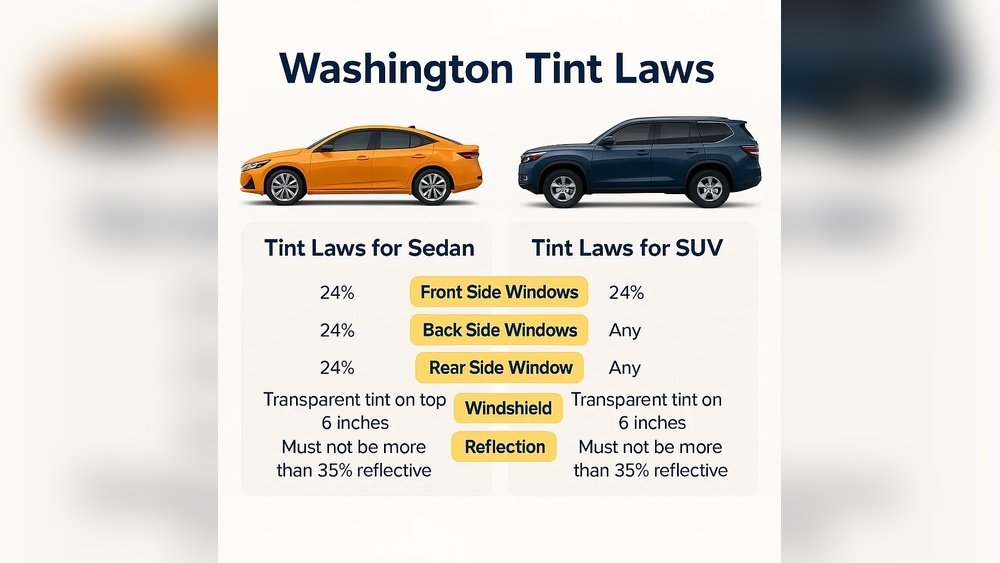
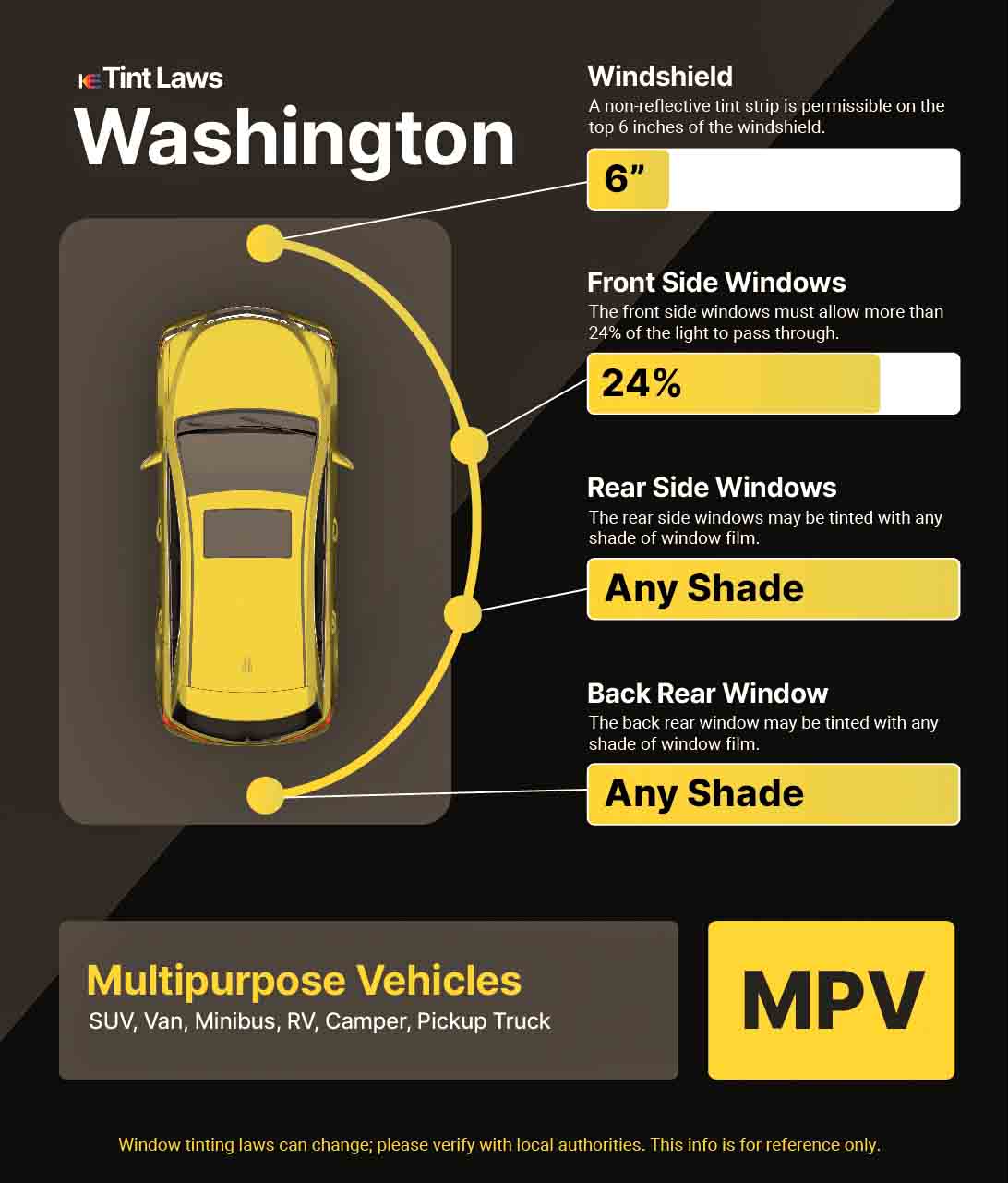
Washington limits how dark your window tint can be. For most cars, front side windows must allow more light. They must let in at least 24% of light. Rear side windows and back windows can be darker. They can block more light, but not all.
Too dark tint can reduce visibility. This is unsafe for you and others. It also breaks the law, which can lead to fines.
Restrictions For Different Vehicle Types
Passenger cars have stricter tint rules. Trucks and SUVs have slightly different limits. Some commercial vehicles follow special rules. These rules depend on how the vehicle is used. Always check your vehicle’s category before applying tint.
Tint Requirements For Windshield And Windows
The windshield has the strictest rules. Only the top few inches of the windshield can have tint. This area is called the “AS-1 line.” Side and rear windows have different rules. Front side windows must be clearer for safety. Rear windows can have darker tint. This helps with privacy and heat control.
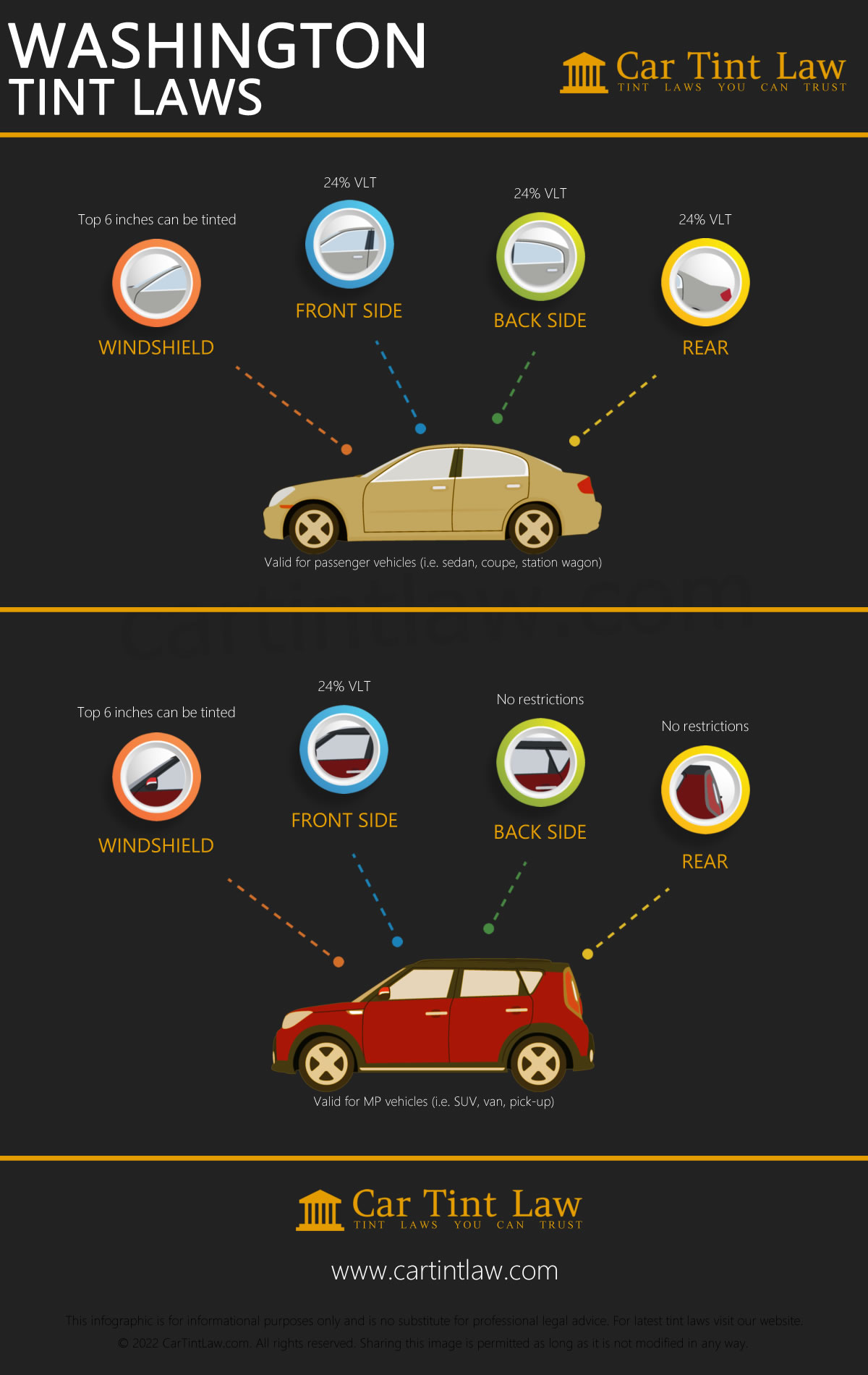
Credit: www.cartintlaw.com
Enforcement And Penalties
Washington State takes window tint laws seriously to keep roads safe. Enforcement and penalties help ensure drivers follow these rules. Understanding how authorities enforce the laws and the consequences of breaking them is important.
How Tint Laws Are Enforced
Police officers check window tint during traffic stops. They may use a light meter to measure tint darkness. If the tint is too dark, officers can issue a ticket. Law enforcement also inspects vehicles during safety checks and roadside stops.
Fines And Consequences For Violations
Breaking window tint laws leads to fines. The initial fine can be around $124. Repeat offenses may bring higher fines. Some cases require removing the illegal tint. Ignoring the rules could result in further penalties or court appearances.
Getting Your Vehicle Inspected
Many places require vehicle inspections to check tint compliance. Inspections often happen during annual safety checks. Failure to pass can mean fixing or removing the tint. Passing inspections keeps your vehicle legal and avoids fines.
Choosing The Right Tint
Selecting the right window tint is important for safety and legal reasons. Washington State has strict rules about how dark and reflective your tint can be.
Choosing the correct tint helps avoid fines and keeps your vehicle safe and comfortable. It also ensures you enjoy the benefits of window tint without breaking the law.
Benefits Of Legal Window Tint
Legal window tint blocks harmful UV rays that can damage your skin. It helps keep your car cool by reducing heat inside.
Proper tint improves privacy without making it hard to see outside. It also protects your car’s interior from fading or cracking.
Selecting Tint Films That Comply
Pick tint films that match Washington’s window tint laws. The film’s darkness and reflectivity must fall within legal limits.
Check the film’s specifications carefully before buying. Avoid very dark tints on the front side windows and windshield.
Working With Professional Installers
Choose a professional installer with experience in Washington’s tint laws. They know which films are legal and how to apply them correctly.
Professional installation ensures smooth, bubble-free tint that lasts longer. It also helps you avoid problems during vehicle inspections.
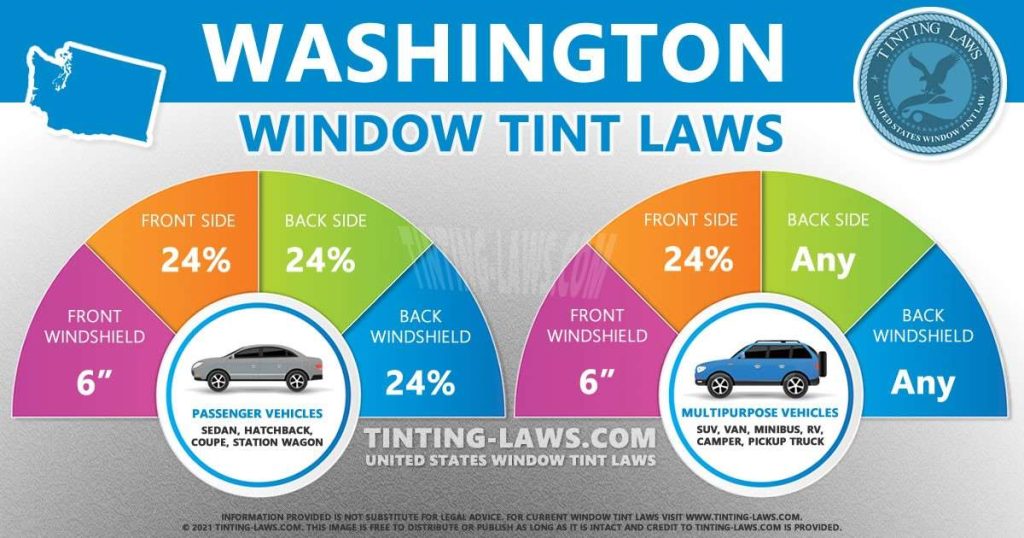
Credit: www.tinting-laws.com
Credit: kepler-dealer.com
Frequently Asked Questions
What Are Washington State’s Window Tint Darkness Limits?
Washington allows front side windows to have at least 24% visible light transmission. Rear side and back windows can have any darkness level. Windshield tinting is only allowed along the top strip.
Are Medical Exemptions Available For Window Tint Laws?
Yes, Washington offers medical exemptions for people with light sensitivity. They must get a certificate from a doctor and carry it in the vehicle. This allows darker tint than the standard limits.
How Can Police Officers Check Window Tint Compliance?
Officers use a light meter to measure the tint’s visible light transmission percentage. If the tint is too dark, they can issue a ticket. Always ensure your tint meets Washington’s legal standards.
What Penalties Apply For Illegal Window Tint In Washington?
Violating tint laws can result in fines and orders to remove the tint. Repeat offenses may lead to higher fines. It’s best to follow the rules to avoid trouble.
Conclusion
Knowing Washington’s window tint laws helps you stay safe and legal. Tint rules protect drivers and passengers by reducing glare. They also ensure police can see inside your vehicle when needed. Choose tint shades that follow the state’s limits. Regularly check for updates to avoid fines or issues.
Following the laws keeps your car comfortable and secure. Stay informed and enjoy your drive without worries.

Ismail Hossain is the founder of Law Advised. He is an Divorce, Separation, marriage lawyer. Follow him.