Overtime Pay Laws in Washington State: What Every Worker Must Know
Are you working extra hours and wondering if you’re getting paid fairly? Understanding overtime pay laws in Washington State is crucial to making sure you receive the wages you deserve.
You might be surprised to learn how these laws protect your rights and what rules employers must follow. Keep reading to discover what counts as overtime, how much you should be earning, and what steps you can take if you’re not being paid correctly.
This guide will help you take control of your paycheck and make sure every extra hour you work is properly rewarded.
Washington State Overtime Basics
Washington State has clear rules about overtime pay. These rules protect workers who work extra hours beyond their normal schedule. Understanding these basics helps employees know their rights and employers to follow the law.
Overtime pay means extra money paid for hours worked beyond a set limit. These rules apply to many workers but not all. The workweek and how hours are counted also matter a lot.
Standard Overtime Rates
In Washington, overtime pay is 1.5 times the regular hourly wage. This rate applies to hours worked over 40 in a single workweek. Employers must pay this higher rate for all eligible overtime hours.
This rate also applies to work on the seventh consecutive day in a workweek. Some exceptions exist, but most workers qualify for this rate.
Eligibility Criteria
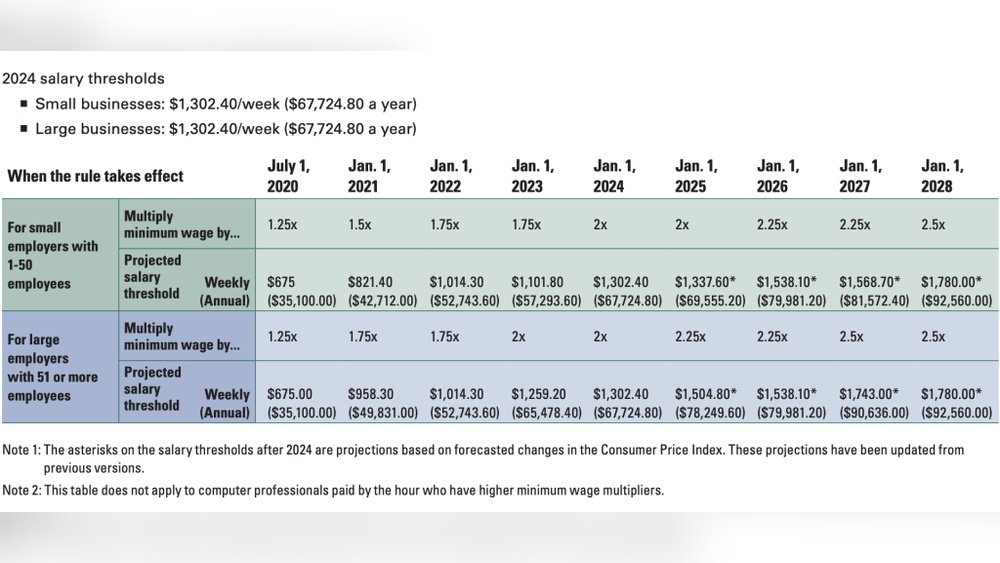
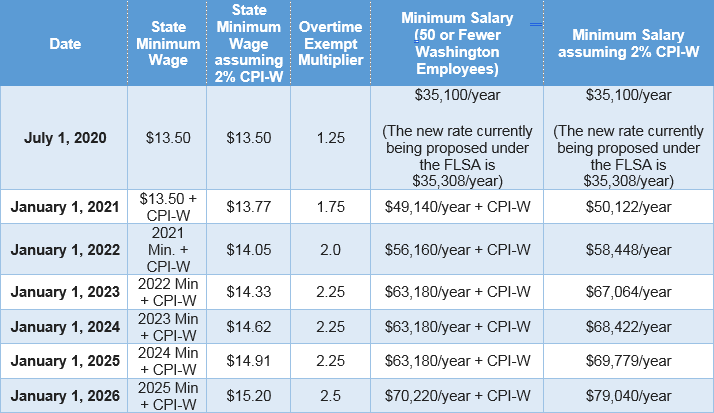
Not all workers qualify for overtime pay. Most hourly workers do, but some salaried employees do not. Job duties and salary level can affect eligibility.
Workers paid on commission or by piece rate may also qualify. The law looks at how the worker is paid and their role. Knowing eligibility helps workers claim the pay they deserve.
Workweek Definitions
A workweek in Washington is a fixed seven-day period. Employers decide the start day of the workweek. The workweek does not have to match the calendar week.
All hours worked in this seven-day period count toward overtime. Understanding the workweek helps in calculating correct overtime pay. Employers must keep consistent workweek schedules for their employees.
Credit: www.timeequipment.com
Exceptions And Special Cases
Washington State has specific rules about overtime pay. Some jobs and situations do not follow the usual overtime laws. These exceptions help employers and workers handle unique work conditions. Understanding these special cases is important for both workers and businesses.
Exempt Job Categories
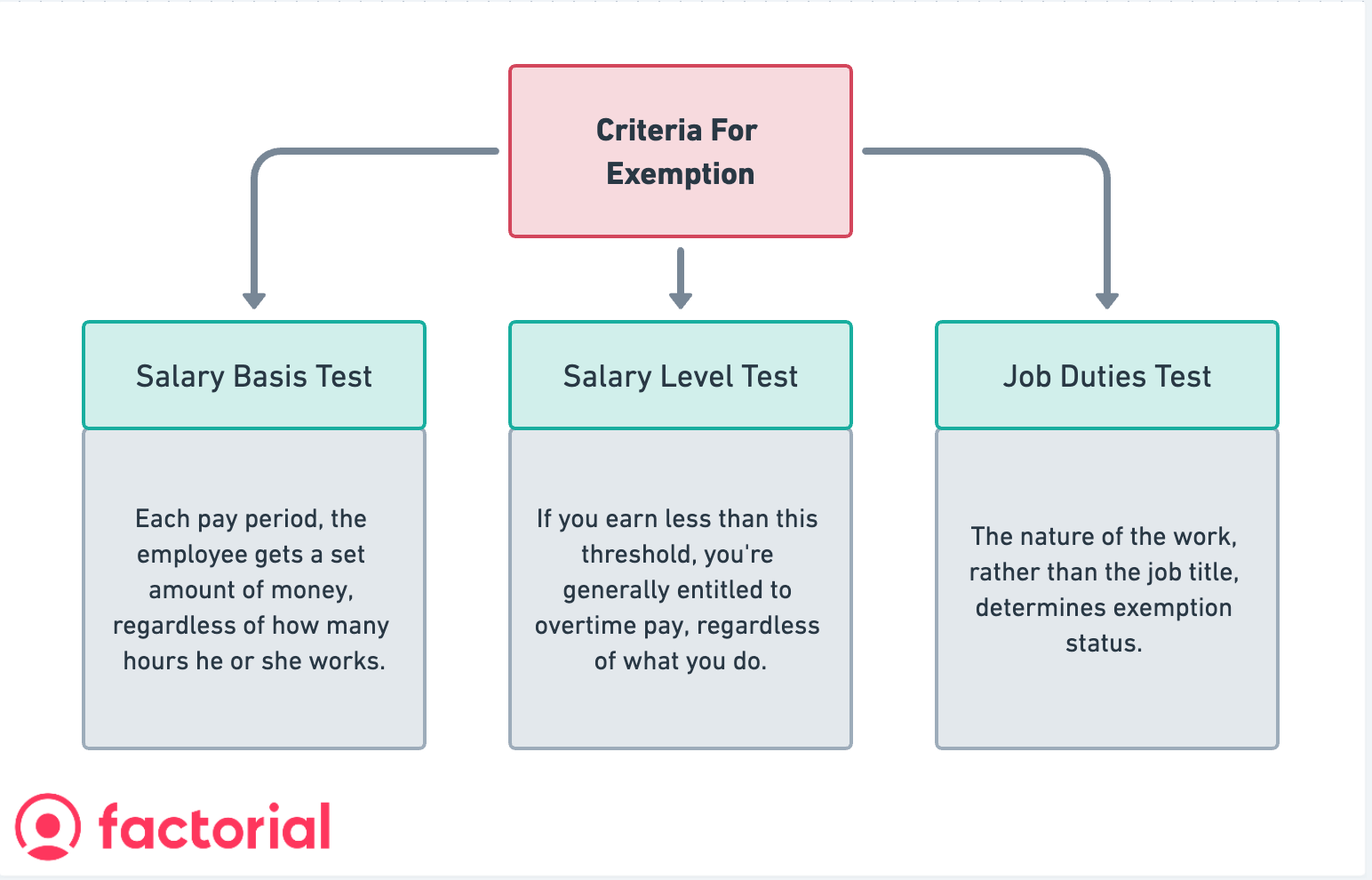
Not all workers get overtime pay. Some jobs are “exempt” from overtime rules. These include certain executives, professionals, and administrative workers. Their pay and duties meet specific criteria set by law. These workers usually earn a salary instead of hourly wages. This means they do not receive extra pay for hours worked beyond 40 per week.
Alternative Workweek Agreements
Employers and workers can agree on different work schedules. These are called alternative workweek agreements. They allow longer shifts but fewer workdays. For example, four 10-hour days instead of five 8-hour days. When such agreements are in place, overtime rules change. Workers might not get overtime after 8 hours daily but after 40 hours in the week.
Overtime For Agricultural Workers
Agricultural workers have special overtime rules in Washington. They usually work long hours during planting or harvest seasons. The state law sets different overtime thresholds for these workers. Overtime pay might start after more than 55 hours in a week. These rules reflect the seasonal and physical nature of farm work. Employers must follow these rules to avoid penalties.
Filing Claims And Enforcement
Filing claims and enforcing overtime pay laws in Washington State ensures workers receive fair pay. The state has clear rules to help employees report violations. Enforcement keeps employers accountable and protects workers’ rights.
How To Report Violations
Workers suspecting unpaid overtime can file a claim with the Washington Department of Labor & Industries. The process is simple and free. Provide details about your employer and the hours worked. You can also contact the Wage and Hour Division for assistance.
Legal Protections For Workers
Washington law protects workers who report overtime violations. Employers cannot punish or fire workers for filing claims. These protections help workers speak up without fear. The law supports fair treatment and honest pay.
Potential Penalties For Employers
Employers who violate overtime rules face penalties. They may have to pay back wages owed to workers. Fines and legal fees can add up. This discourages employers from breaking the law.
Credit: factorialhr.com

Credit: washingtonstatestandard.com
Frequently Asked Questions
What Are The Basic Overtime Pay Rules In Washington State?
Washington State requires employers to pay 1. 5 times the regular rate for hours worked over 40 in a week. This applies to most workers, including part-time and full-time employees. Some exceptions may apply for certain job types.
Who Is Eligible For Overtime Pay In Washington?
Most hourly and salaried workers making less than a specific salary threshold qualify for overtime pay. Workers in executive, administrative, or professional roles may be exempt. Always check job classification to confirm eligibility.
How Is Overtime Pay Calculated In Washington State?
Overtime pay is 1. 5 times your regular hourly wage for all hours over 40 in a workweek. For example, if you earn $20 per hour, overtime pay is $30 per hour. This calculation ensures fair compensation for extra work.
Can Employers Require Overtime Work In Washington State?
Employers can require overtime work unless restricted by a contract or union agreement. Workers must be paid overtime rates for all extra hours worked beyond 40 per week. Refusal to work overtime could affect employment status.
Conclusion
Washington State’s overtime laws protect workers fairly. Employees earn extra pay for hours beyond 40 per week. Employers must follow these rules to avoid legal trouble. Knowing your rights helps you spot mistakes in pay. Keep track of your work hours carefully each week.
Overtime laws ensure fair treatment for all workers. Stay informed to make sure you get what you deserve. Understanding these rules keeps work fair and honest. Your time and effort have real value. Don’t settle for less than you should earn.

Ismail Hossain is the founder of Law Advised. He is an Divorce, Separation, marriage lawyer. Follow him.