Concealed Carry Laws in Washington State: What You Must Know Today
If you carry a concealed weapon or are thinking about it, knowing the laws in Washington State is crucial. You want to stay safe and avoid trouble, but the rules can be confusing.
This article breaks down what you need to know about concealed carry laws, so you can protect yourself with confidence. Keep reading to learn how to stay within the law and make smart choices wherever you go in Washington.
Credit: www.handgunlaw.us
Eligibility And Permit Requirements
Understanding eligibility and permit requirements is key to legally carrying a concealed weapon in Washington State. This section breaks down who can apply, the application process, and the background checks involved. Follow these rules to ensure compliance and safety.
Who Can Apply
Applicants must be at least 21 years old. Residents and non-residents can apply. You must be a U.S. citizen or legal resident. People with felony convictions cannot apply. Certain mental health restrictions also apply. Applicants must not be under a restraining order. The state ensures applicants meet all legal standards.
Application Process
Start by filling out the application form online or in person. Submit fingerprints at an approved location. Provide proof of residency or employment in Washington. Pay the required application fee. The process includes submitting a passport-style photo. The permit is valid for five years. Renewal requires a new application and fee.
Background Checks
Washington performs thorough background checks. The state checks criminal history and mental health records. Federal databases are also reviewed. The process ensures no disqualifying records exist. Background checks help protect public safety. Applicants with a clean record have higher approval chances.
Legal Restrictions And Prohibited Areas
Washington State has clear rules about where and how you can carry a concealed firearm. These laws protect public safety and guide responsible gun ownership. Understanding these restrictions is key for anyone carrying a concealed weapon in Washington.
Knowing the places where you cannot carry a gun helps avoid legal trouble. The state also sets rules about using firearms in self-defense. Plus, there are strict guidelines for transporting guns safely.
Places Off-limits For Carrying
You cannot carry a concealed weapon in certain public places. Schools, courthouses, and government buildings are off-limits. Bars and public gatherings where alcohol is served also prohibit guns. Private businesses may ban firearms on their property. Look for signs that show if guns are not allowed. Carrying a gun in these places can lead to serious penalties.
Use Of Firearms In Self-defense
Washington allows self-defense with a firearm only if there is an immediate threat. The force used must match the danger faced. You cannot use a gun to start a fight or threaten others. The law requires you to avoid danger if possible. Using a gun without proper reason can lead to criminal charges.
Transportation Rules
When transporting a firearm, it must be unloaded and in a secure case. Keep the gun separate from any ammunition. Firearms should not be easily accessible to the driver or passengers. Washington law requires these rules to reduce accidents and misuse. Follow these rules carefully to stay within the law.
Recent Changes And Updates
Washington State has seen several changes in its concealed carry laws recently. These updates affect how residents carry and use firearms. Staying aware of these changes is important for legal compliance and personal safety.
New Legislation Impacting Carry
Washington passed new laws that change who can carry concealed weapons. Some new rules limit carrying in certain public places. The state also updated requirements for permit holders. These laws aim to improve safety while respecting rights.
Enforcement Trends
Law enforcement agencies have increased checks on concealed carry permits. Officers focus on ensuring people follow the updated rules. There is more attention on carrying in restricted zones. Penalties for violations have become stricter recently.
Resources For Staying Informed
Residents can use official state websites to track legal changes. Local law enforcement offices also provide updates and guidance. Community safety programs offer training on current laws. Staying informed helps avoid legal issues and promotes responsible carry.
Credit: www.co.cowlitz.wa.us
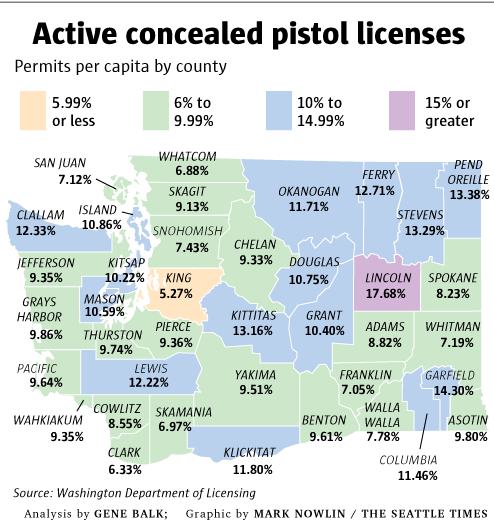
Credit: www.seattletimes.com
Frequently Asked Questions
What Are The Basic Concealed Carry Requirements In Washington?
Washington requires a valid Concealed Pistol License (CPL) to carry concealed. Applicants must be 21 or older and pass a background check. Training on firearm safety is also required.
Where Is Concealed Carry Prohibited In Washington State?
Concealed carry is banned in schools, courthouses, and government buildings. Private property owners can also prohibit firearms on their premises. Always check signs and local rules.
How Do I Apply For A Concealed Pistol License In Washington?
You apply at your local sheriff’s office or police department. The process includes fingerprinting, a background check, and paying a fee. Processing time can take up to 30 days.
Can Non-residents Carry Concealed In Washington?
Non-residents can carry concealed with a valid license from their home state. Washington recognizes many other states’ permits. Check if your state’s license is accepted before carrying.
Conclusion
Knowing Washington State’s concealed carry laws helps you stay safe and legal. Always follow the rules for carrying a firearm in public. Keep your permit with you when carrying concealed. Respect private property and no-carry zones to avoid trouble. Stay updated on any law changes as they happen.
Responsible carrying means protecting yourself and others. Understanding these laws gives you peace of mind every day. Stay informed, stay prepared, and carry safely.

Ismail Hossain is the founder of Law Advised. He is an Divorce, Separation, marriage lawyer. Follow him.