Workmans Comp Laws in Colorado: Essential Facts Every Worker Should Know
If you get hurt while working in Colorado, knowing your rights is crucial. Workman’s comp laws are there to protect you, but they can be confusing and hard to navigate.
What benefits are you entitled to? How do you file a claim? What happens if your claim is denied? This article will guide you through the key points of Colorado’s workman’s comp laws so you can protect yourself and get the support you deserve.
Keep reading to make sure you don’t miss anything important that could affect your future.

Credit: conexusinsurance.com
Basics Of Workers’ Comp In Colorado
Workers’ compensation is a system that helps employees injured at work. Colorado has its own rules for this system. These rules protect both workers and employers.
This section explains the basics of workers’ comp in Colorado. It covers who must have it, what benefits workers get, and how claims work.
Who Must Have Workers’ Comp Insurance?
Most Colorado employers must carry workers’ comp insurance. This includes companies with one or more employees. It covers full-time, part-time, and seasonal workers. Some exceptions apply, like sole proprietors without employees.
What Injuries Are Covered?
Workers’ comp covers injuries that happen on the job. It includes accidents, illnesses from work conditions, and repeated stress injuries. Injuries during work travel may also qualify. It does not cover injuries from horseplay or self-inflicted harm.
Benefits Provided Under Colorado Law
Workers get medical care for work injuries. They receive money if they miss work. Benefits cover part of lost wages. In some cases, benefits pay for permanent disability or death.
How To File A Workers’ Comp Claim
Workers must report injuries quickly. They should tell their employer right away. The employer then files a claim with their insurance. The claim process follows strict timelines to protect workers’ rights.
Who Qualifies For Benefits
Understanding who qualifies for workers’ compensation benefits in Colorado is important. These benefits help workers injured on the job. Not everyone may be eligible. The law sets clear rules.
Workers’ compensation covers injuries or illnesses caused by work. It provides medical care and wage replacement. Knowing the rules helps workers get the help they need.
Employees Covered By Workers’ Compensation
Most employees in Colorado qualify for workers’ compensation. This includes full-time and part-time workers. It applies to those in factories, offices, and stores. Even seasonal workers are often covered. The key is having an employer who carries workers’ comp insurance.
Excluded Workers
Some workers do not qualify for benefits. Independent contractors usually do not qualify. Domestic workers like housekeepers or babysitters often are excluded. Certain agricultural workers may also be excluded. Each case depends on job details and employer coverage.
Injuries That Qualify
Workers’ compensation covers injuries from accidents at work. It also covers work-related illnesses. This includes repetitive strain injuries and exposure to harmful substances. The injury must happen during work hours or while doing job tasks. Personal injuries outside work usually do not qualify.
Reporting And Claim Requirements
Workers must report injuries quickly to qualify. Reporting helps start the claim process. Delays can cause claim denial. Workers must follow employer and state rules. Proper paperwork and medical proof are needed. This ensures benefits arrive on time.
Types Of Compensation Available
Workers’ compensation laws in Colorado provide different types of benefits. These benefits help workers who get hurt or sick because of their job. The law aims to cover medical costs and lost wages. It also offers support for long-term disabilities. Understanding these types of compensation helps injured workers know their rights.
Medical Benefits
Medical benefits cover all necessary treatment. This includes doctor visits, hospital stays, and surgeries. Prescription drugs and physical therapy are also covered. The goal is to help workers recover fully. There is no limit on medical costs if treatment is related to the injury.
Temporary Disability Benefits
Temporary disability benefits pay workers who cannot work for a short time. They replace part of the lost wages during recovery. These benefits continue until the worker can return to their job. The amount is based on a percentage of the worker’s average weekly wage.
Permanent Disability Benefits
Permanent disability benefits apply when injuries cause lasting effects. This means the worker cannot perform some or all of their job duties. The benefits depend on the severity of the disability. The more severe, the higher the compensation amount.
Death Benefits
Death benefits provide financial support to workers’ families if the worker dies from a job injury. These benefits help cover funeral costs and loss of income. They ensure the family can manage expenses after a tragic loss.
Vocational Rehabilitation
Vocational rehabilitation helps injured workers return to work. It includes job training and education. This support is for workers who cannot go back to their old job. The program helps find new job opportunities suitable to their abilities.

Credit: conexusinsurance.com
How To File A Claim
Filing a workers’ compensation claim in Colorado starts with quick action. The process protects your rights after a work injury. Knowing each step helps avoid delays.
Follow these steps carefully to file your claim properly. Accurate paperwork and timely reporting are key.
Report The Injury To Your Employer
Tell your employer about the injury immediately. Do this in writing if possible. Colorado law requires reporting within four days. Early notice helps start the claim process fast.
Seek Medical Treatment
Get medical help right after the injury. Use a doctor approved by your employer’s workers’ comp insurance. Keep all medical records and bills. These documents support your claim.
Complete The Claim Form
Fill out the official workers’ compensation claim form. You can get it from your employer or the Colorado Division of Workers’ Compensation. Fill it out carefully and accurately. Submit it as soon as possible.
Submit The Claim To The Insurance Company
Your employer must send your claim to their insurance company. The insurer reviews the claim and decides if it is valid. Keep copies of all forms and letters you send or receive.
Follow Up On Your Claim
Check the status of your claim regularly. Contact the insurance adjuster or your employer if needed. Stay organized and keep track of deadlines and paperwork.
Common Challenges And Disputes
Workmans comp laws in Colorado aim to protect workers injured on the job. Despite clear rules, many face challenges and disputes during claims. These issues often delay benefits and add stress to the injured worker. Understanding common problems helps prepare for potential setbacks.
Disputes often arise over claim approvals and benefit amounts. Workers and employers may disagree on the injury’s cause or severity. These conflicts can lead to hearings and legal battles, which take time and resources. Knowing typical challenges helps workers navigate the system better.
Disagreements Over Injury ClaimsDisputes often start with whether the injury is work-related. Insurers may deny claims if they doubt the connection. Workers must provide proof linking the injury to their job. Medical reports and witness statements play a key role.
Delays in Benefit PaymentsBenefit delays frustrate many injured workers. Delays occur due to paperwork errors or claim disputes. These slowdowns can harm a worker’s finances and recovery. Prompt communication with insurers can reduce wait times.
Disputes Over Medical TreatmentChoosing the right medical care often causes conflicts. Employers or insurers may want workers to see certain doctors. Workers may prefer their own doctors for treatment. Resolving these issues early avoids treatment interruptions.
Challenges with Return-to-Work ProgramsReturn-to-work plans can cause disagreements. Some workers feel pressured to return too soon. Employers may expect quick recovery to avoid extra costs. Clear communication and realistic plans benefit both sides.
Employer Responsibilities And Penalties
Employers in Colorado have clear duties under workers’ compensation laws. These rules protect workers and ensure they get help after injuries. Employers must follow these laws strictly. Failure to comply leads to fines and legal trouble.
Knowing these responsibilities helps businesses avoid penalties. It also keeps workers safe and supported during recovery.
Providing Workers’ Compensation Insurance
Employers must carry workers’ compensation insurance. This coverage pays for medical bills and lost wages after injuries. All businesses with employees need this insurance. It protects both the employer and the worker.
Reporting Workplace Injuries Promptly
Employers must report injuries quickly to their insurance company. Early reporting speeds up claims and payments. Delays can cause claim denials or penalties. Employers should keep clear records of all injuries.
Posting Required Notices
Employers must display workers’ compensation posters at work. These notices inform employees about their rights. Proper posting ensures workers know how to report injuries. This is a simple but crucial legal duty.
Penalties For Non-compliance
Not following workers’ comp laws leads to fines. Employers may face legal actions and court costs. Repeat violations increase penalties and risks. Some employers may lose the right to operate legally.

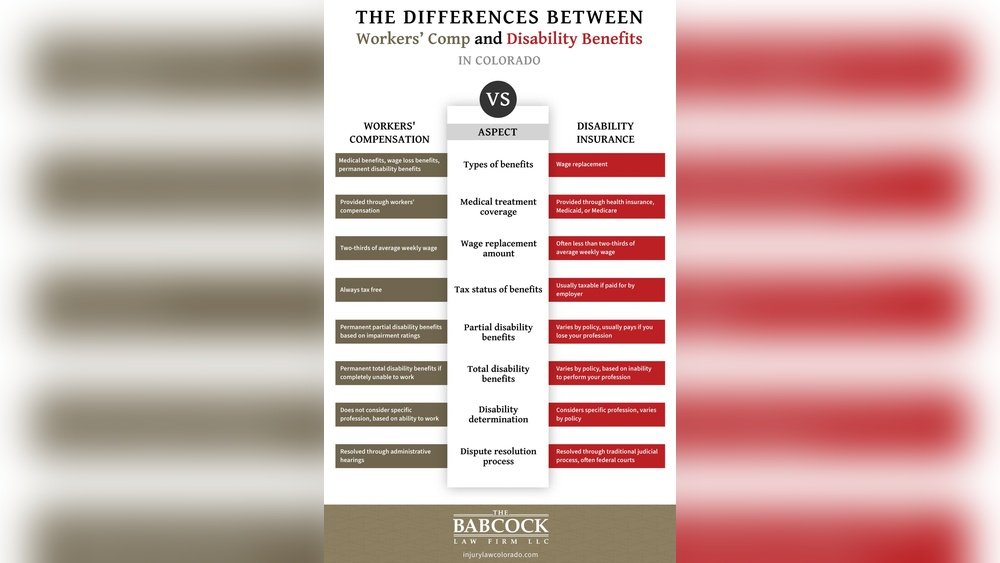
Credit: www.injurylawcolorado.com
Frequently Asked Questions
What Injuries Qualify For Workers’ Comp In Colorado?
Workers’ comp covers injuries or illnesses caused by job duties. This includes accidents, repetitive stress, and occupational diseases.
How Long Do I Have To File A Claim In Colorado?
You must file a claim within two years of the injury date. Missing this deadline can cause your claim to be denied.
Who Pays Workers’ Comp Benefits In Colorado?
Employers or their insurance companies pay workers’ comp benefits. They cover medical bills and lost wages for injured workers.
Can I Choose My Own Doctor For Treatment?
Colorado allows injured workers to pick their own doctor after the first visit. The employer or insurer may require a specific doctor initially.
What Benefits Does Workers’ Comp Provide In Colorado?
Workers’ comp offers medical care, wage replacement, and rehab services. It also provides death benefits for workers’ families if a fatal injury occurs.
Conclusion
Understanding Colorado’s workmans comp laws protects your rights at work. These laws help workers get fair treatment after injuries. Knowing key rules makes filing claims easier and faster. Employers and employees both benefit from clear guidelines. Stay informed and act quickly if injured on the job.
This knowledge can reduce stress and improve your recovery. Keep a copy of important documents and deadlines handy. Always seek advice if you feel unsure about the process. Protect yourself by knowing what the law offers.

Ismail Hossain is the founder of Law Advised. He is an Divorce, Separation, marriage lawyer. Follow him.