Mandatory Overtime Laws in Ohio: What Every Worker Must Know
Are you worried about being forced to work extra hours without a say? Understanding mandatory overtime laws in Ohio is crucial to protect your rights and know what your employer can—and cannot—require from you.
Whether you’re an employee trying to navigate your work schedule or an employer wanting to stay compliant, this guide will clear up the confusion. Keep reading to discover exactly what Ohio law says about mandatory overtime and how it affects your work life.

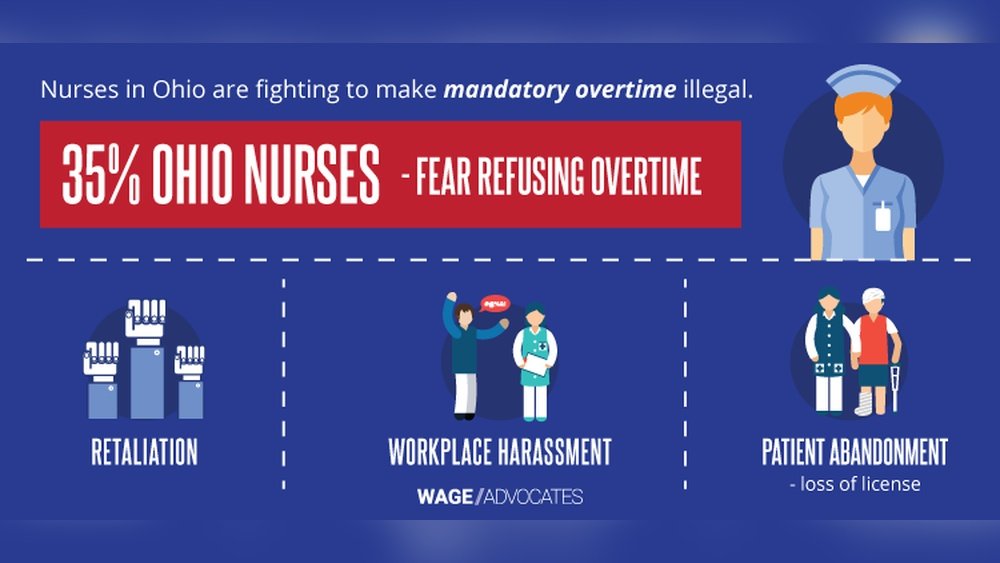
Credit: yournurseattorney.com
Ohio Overtime Law Basics
Understanding Ohio’s overtime laws is important for both employers and employees. The state has rules that protect workers who work extra hours. These rules help ensure fair pay for extra work done beyond regular hours.
Ohio overtime laws work alongside federal laws. Knowing the difference helps workers understand their rights and employers follow the law correctly.
State Vs Federal Overtime Rules
Ohio follows the federal Fair Labor Standards Act (FLSA) for overtime rules. The FLSA requires employers to pay overtime at 1.5 times the regular rate after 40 hours in a workweek.
Ohio does not have separate overtime laws that differ from federal rules. Employers in Ohio must follow federal standards for overtime pay.
Some states have special overtime rules. Ohio relies mostly on federal law for these matters.
Who Qualifies For Overtime Pay
Most hourly workers in Ohio qualify for overtime pay. These workers receive extra pay for hours worked over 40 in a week.
Certain employees may be exempt from overtime. These include salaried workers in executive, administrative, or professional roles.
Exemptions depend on job duties and salary level. Employers must meet specific criteria to classify someone as exempt.
Non-exempt employees must receive overtime pay. This rule protects many workers from unpaid extra hours.
Mandatory Overtime Policies
Mandatory overtime policies set the rules for extra work hours in Ohio. These policies guide employers and employees about working beyond regular shifts. Knowing these rules helps avoid conflicts and ensures fair treatment for everyone involved.
Employer Rights And Limits
Employers can require overtime if the business needs it. They must inform employees about overtime rules clearly. Employers cannot force overtime that breaks safety or labor laws. They must follow Ohio and federal wage laws for overtime pay. Employers must respect limits on how much overtime workers do. They cannot punish employees who refuse overtime under certain conditions.
Employee Obligations And Rights
Employees should understand their company’s overtime policy. They must inform employers if they cannot work extra hours. Workers have the right to refuse overtime in some cases, like health reasons. Employees must be paid at least one and a half times their regular wage for overtime. They can report unfair overtime practices to labor authorities. Knowing rights helps workers protect themselves from abuse.
Calculating Overtime Pay
Calculating overtime pay in Ohio follows clear rules. Employees earn extra pay for hours worked beyond the regular workweek. Knowing how to calculate this pay helps workers understand their rights. Employers must also follow these rules to avoid legal issues.
Standard Overtime Rates
In Ohio, overtime pay is usually 1.5 times the regular hourly wage. This rate applies to hours worked over 40 in a workweek. For example, if an employee earns $10 per hour, overtime pay is $15 per hour. This rule ensures fair compensation for extra work.
Exceptions And Special Cases
Some jobs have different overtime rules. Certain employees, like salaried managers, may not get overtime pay. Public safety workers sometimes have special overtime calculations. Also, certain industries follow federal laws that might differ from Ohio’s rules. Knowing these exceptions is important for correct pay.

Credit: www.ohiohouse.gov
Handling Overtime Disputes
Disputes over overtime pay can cause stress and confusion for many workers. Understanding how to handle these conflicts is important. Ohio workers have specific steps to follow to resolve overtime issues fairly and legally.
Knowing your rights and the correct process helps protect your pay. This section explains how to file complaints and where to find legal support. Taking action can ensure you receive the overtime pay you deserve.
Filing Complaints In Ohio
Workers in Ohio can file complaints if they believe overtime laws were broken. Complaints go to the Ohio Department of Commerce or the U.S. Department of Labor. These agencies investigate claims and enforce labor laws.
Gather evidence before filing. Keep records of hours worked and pay stubs. Clear details help prove your case. Submit your complaint promptly as delays can affect results.
Legal Resources And Support
Several resources offer help with overtime disputes in Ohio. Legal aid organizations provide free or low-cost advice. They guide workers through complex labor laws.
State and federal agencies also offer support. Contact them for information on your rights. Consulting a lawyer can be beneficial in tough cases. Knowing where to get help strengthens your position.

Credit: mcoffmanlegal.com
Frequently Asked Questions
What Are Ohio’s Mandatory Overtime Laws?
Ohio has no specific laws forcing mandatory overtime. Employers can require overtime unless a contract or union rule says otherwise. Federal law still applies for overtime pay.
Can Ohio Employers Force Employees To Work Overtime?
Yes, employers can require overtime unless limited by a contract or union agreement. Employees must be paid for overtime hours worked.
How Is Overtime Pay Calculated In Ohio?
Overtime pay is 1. 5 times the regular hourly rate for hours over 40 per week. This rule follows federal Fair Labor Standards Act (FLSA) guidelines.
Are There Exemptions To Ohio’s Overtime Rules?
Yes, some workers like executives, professionals, and certain sales staff may be exempt from overtime pay. These exemptions depend on job duties and salary.
What Can Employees Do About Illegal Mandatory Overtime?
Employees can report violations to the Ohio Department of Labor or the U. S. Department of Labor. Legal advice may help resolve disputes about overtime work.
Conclusion
Ohio’s mandatory overtime laws protect workers from unfair demands. Employers must follow rules about pay and hours. Workers have rights to fair treatment and proper compensation. Knowing these laws helps employees feel safer and more confident. Stay informed to ensure your workplace respects your time.
Legal protections exist to support a balanced work life. Remember, understanding your rights is the first step toward fairness.

Ismail Hossain is the founder of Law Advised. He is an Divorce, Separation, marriage lawyer. Follow him.