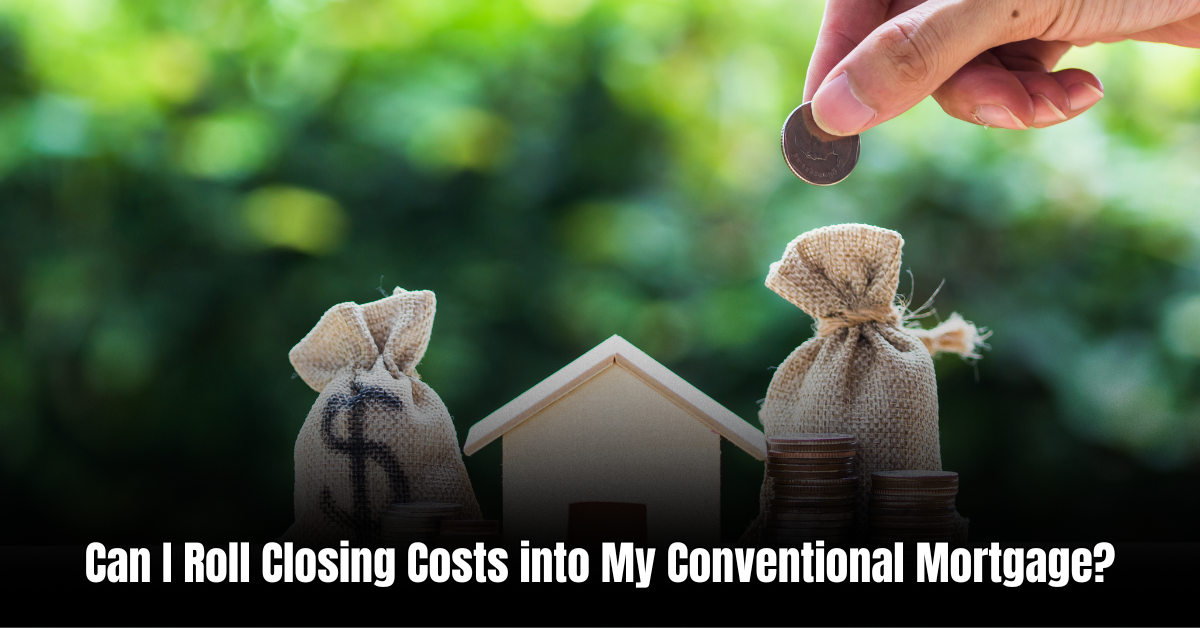
Can I Roll Closing Costs into My Conventional Mortgage? Discover the Surprising Answer
Yes, you can roll closing costs into your conventional mortgage. By doing so, you can finance these costs instead of paying them out of pocket upfront, making it more convenient for homebuyers.
Buying a home involves various expenses, including closing costs. These costs typically include lender fees, appraisal fees, title insurance, and upfront property taxes, among others. Paying these costs at the time of closing can be a significant burden on homebuyers, especially if they need to conserve cash for other expenses.
Rolling the closing costs into the conventional mortgage allows homebuyers to finance these expenses over the life of the loan, making it more manageable. This can be a useful option for buyers who want to minimize their upfront expenses and preserve some cash for other needs or investments. However, it’s important to carefully consider the long-term financial implications before deciding to roll the closing costs into the mortgage.
Understanding Closing Costs
What are closing costs? They are the fees and expenses that homebuyers must pay when closing on a mortgage loan. These costs typically range from 2% to 5% of the total loan amount. They are essential for finalizing the home purchase and cover various expenses.
Some common examples of closing costs include:
- Appraisal fees: The cost of assessing the value of the property.
- Inspection fees: The cost of a professional inspection to check the condition of the property.
- Loan origination fees: The fee charged by the lender for processing the mortgage loan.
- Underwriting fees: The cost of evaluating the borrower’s creditworthiness and the loan application.
- Attorney fees: If an attorney is involved in the closing process, their fees will be included in the total costs.
- Title insurance fees: Insurance that protects the lender and buyer against any issues with the property’s title.
It’s essential to understand these costs and factor them into your budget when purchasing a home. While closing costs cannot be rolled into a conventional mortgage, they can be negotiated with the seller for potential assistance or financed separately.
Conventional Mortgage Options
Yes, you can roll closing costs into your conventional mortgage. A conventional loan is a popular mortgage option for borrowers who meet certain eligibility criteria and requirements. It is not backed by the government like FHA or VA loans, but rather offered through private lenders.
Conventional loans have specific eligibility criteria, including credit score requirements, income and employment verification, and debt-to-income ratio limits. The down payment amount needed can vary depending on the lender and the borrower’s financial situation.
When it comes to closing costs, lenders typically require borrowers to pay them up front. However, if you don’t have enough funds to cover the closing costs, you may be able to roll them into your loan amount. This means that the closing costs are added to your loan balance, and you would pay them off over the term of your mortgage.
It’s important to note that rolling closing costs into your conventional mortgage will increase your loan amount and may also result in a higher monthly payment. Additionally, keep in mind that not all lenders may offer this option, so it’s best to discuss your specific situation with a mortgage professional to determine if it’s possible for you.
Rolling Closing Costs Into Your Mortgage
Yes, you can roll closing costs into a conventional mortgage; however, this may impact your loan terms and payments. By financing the closing costs, you spread the fees over the life of the loan, making them more manageable. However, this means you will pay interest on the closing costs. It’s essential to understand the implications before making a decision. This option can increase your monthly payments and the total amount paid over the life of the loan. It is worth considering the potential long-term costs and discussing with your lender before making a decision.
Considerations Before Rolling Closing Costs
Before rolling closing costs into your conventional mortgage, it’s important to consider the long-term financial implications. One alternative to rolling closing costs is to pay them upfront, which can help reduce the overall cost of your mortgage. By paying these costs upfront, you won’t be adding them to your mortgage balance, which means you’ll pay less interest over time. Another alternative is negotiating with the seller to cover some or all of the closing costs. This can help alleviate the immediate financial burden and may be a viable option in some situations. However, it’s crucial to carefully evaluate the terms of the agreement to ensure it’s economically beneficial in the long run. Consider consulting with a mortgage professional to fully understand the impact of rolling closing costs into your conventional mortgage and explore alternative options that align with your financial goals.
Making An Informed Decision
Rolling closing costs into a conventional mortgage can be a convenient option for many homebuyers. By doing so, you can spread out the payment of these costs over the life of your mortgage rather than paying them up front. However, it’s important to consider both the pros and cons before making a decision.
One of the main advantages of rolling closing costs into a mortgage is that it can help reduce your out-of-pocket expenses at the time of purchase. This can be particularly beneficial if you are already stretching your budget to afford a home. Additionally, by financing your closing costs, you may be eligible for potential tax benefits.
On the other hand, rolling closing costs into your mortgage means you will end up paying interest on these costs over the life of the loan. This could result in you paying more in the long run. It’s also worth noting that increasing the amount of your mortgage may result in higher monthly mortgage payments.
Before making a decision, it’s important to seek professional advice. An experienced mortgage lender can help evaluate your specific situation and guide you towards the best choice for you. Remember to carefully weigh the pros and cons and consider the long-term financial implications before deciding whether to roll closing costs into your conventional mortgage.
Frequently Asked Questions: Can I Roll Closing Costs Into My Conventional Mortgage
What Does It Mean To Roll In Closing Costs?
Rolling in closing costs means including them in the mortgage amount. This allows buyers to pay these fees over time instead of up front.
Can You Roll Refinance Closing Costs Into a Mortgage?
Yes, you can roll the closing costs of a refinance into your mortgage. This allows you to include these costs in your loan balance, rather than paying the upfront cost. It can be a convenient option, but keep in mind that it may increase your monthly mortgage payment and overall interest.
Is It Better To Pay Closing Costs Out Of Pocket?
It may be better to pay closing costs out of pocket.
Can You Add Closing Costs To an FHA Mortgage?
Yes, you can add closing costs to an FHA mortgage. It’s part of the loan amount.
Conclusion
Rolling closing costs into a conventional mortgage can be a helpful option for many homebuyers. It’s important to carefully consider the implications and weigh the pros and cons before making a decision. By understanding the process and seeking guidance from a trusted mortgage professional, you can make an informed choice that suits your financial situation.

Ismail Hossain is the founder of Law Advised. He is an Divorce, Separation, marriage lawyer. Follow him.