Lane Splitting Laws in California: What Every Rider Must Know
Are you curious about lane splitting and whether it’s legal where you ride? Understanding the lane splitting laws in California can keep you safe and out of trouble on the road.
You might have seen motorcyclists weaving between cars and wondered if it’s allowed or dangerous. This article will clear up the confusion, explain exactly what the law says, and help you know your rights and responsibilities. Keep reading to find out how lane splitting works, what rules you must follow, and why it matters for your safety every time you ride.
California Lane Splitting Basics
Lane splitting is a unique practice in California traffic. It allows motorcyclists to ride between two lanes of slow or stopped cars. This practice helps reduce traffic jams and lowers the chance of rear-end crashes for riders.
Understanding the basics of lane splitting is important for all drivers and riders. It ensures safety and smooth traffic flow on California roads.
Definition And History
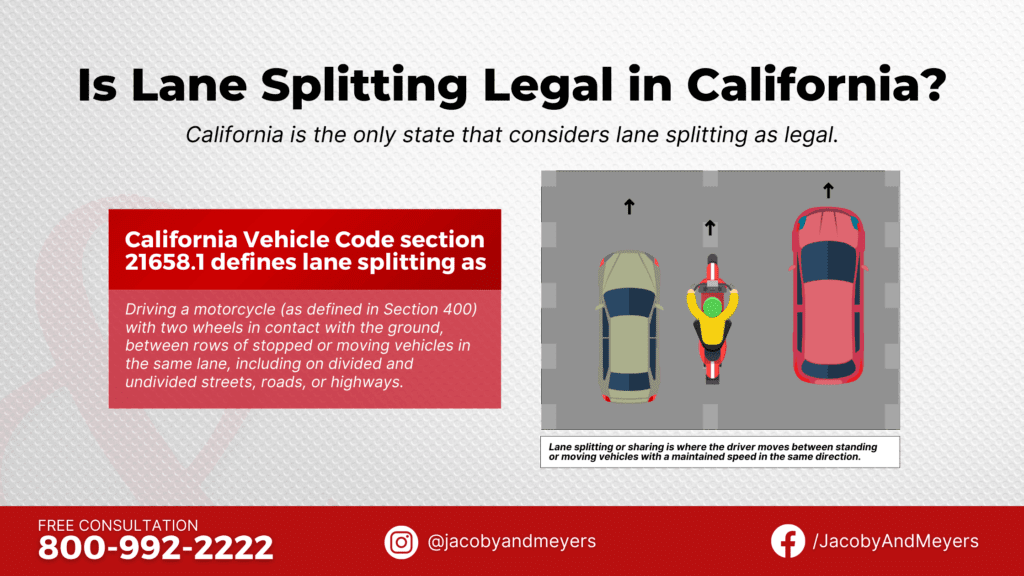
Lane splitting means riding a motorcycle between lanes of slow-moving or stopped vehicles. This lets riders move through traffic more easily.
The practice started in California many years ago. It was common among motorcyclists before it was officially recognized. Riders found it safer to avoid being stuck behind cars.
For a long time, lane splitting was not clearly legal or illegal. This caused confusion among riders and drivers alike.
Legal Status In California
California is the only state where lane splitting is legal by law. In 2016, the state made it official with clear rules.
Riders must split lanes safely and at reasonable speeds. The law aims to protect both motorcyclists and car drivers.
Other states watch California’s lane splitting laws closely. Many consider adopting similar rules to improve traffic safety.
Credit: www.jacobyandmeyers.com
Rules For Safe Lane Splitting
Lane splitting in California lets motorcyclists pass slow or stopped traffic. It saves time and reduces congestion. Still, safety rules must be followed carefully. Knowing these rules helps riders stay safe and avoid accidents.
Riders must understand speed limits and when lane splitting is allowed. Clear guidance helps prevent dangerous situations on the road.
Speed Limits And Conditions
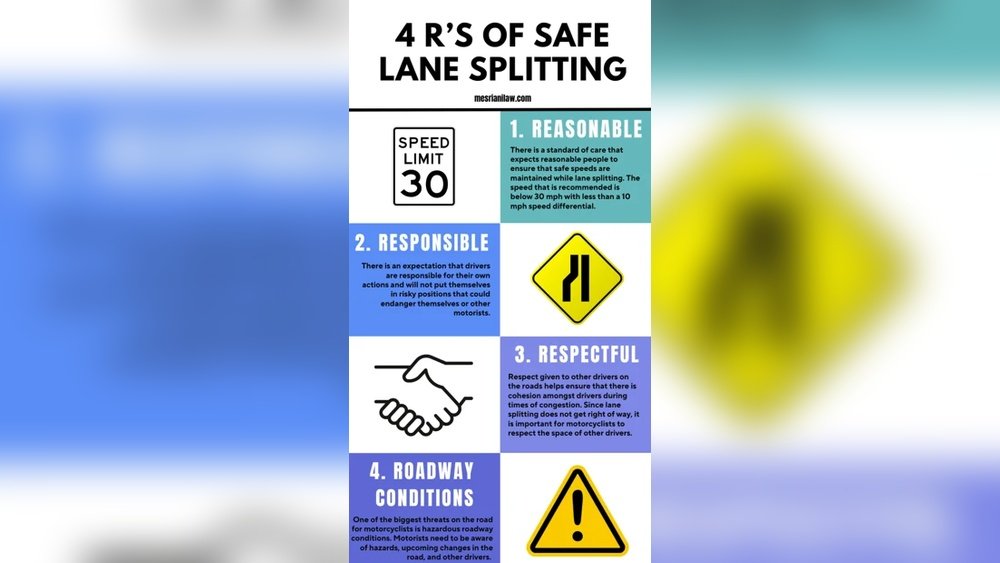
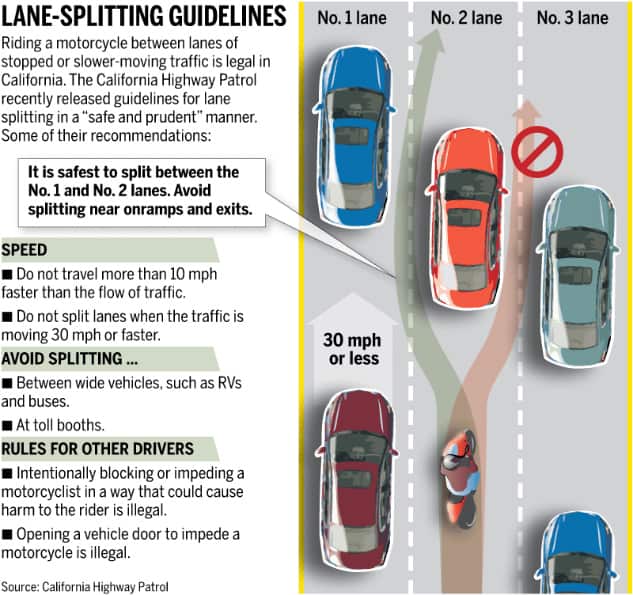
California law allows lane splitting only when traffic is moving below 30 mph. Riders should not exceed 10 mph faster than other vehicles. This keeps speed differences low to avoid surprises.
Weather and road conditions matter too. Avoid lane splitting in heavy rain, fog, or slippery roads. Visibility and control drop in bad weather, increasing risks.
When And Where To Lane Split
Lane splitting is legal only on highways and freeways. It is not allowed on city streets or rural roads. Riders must check for safe space between lanes before moving.
Do not split lanes near intersections or exits. Cars change lanes often in these spots. Look for steady, slow traffic to split safely.
Common Misconceptions
Lane splitting in California often causes confusion. Many people have wrong ideas about what is allowed. This section clears up common myths and explains the real laws. Understanding these points helps riders stay safe and avoid trouble.
Myths About Lane Splitting
Some think lane splitting is illegal in California. It is not. The practice has been legal since 2016 under specific rules. Another myth says motorcycles can split lanes at any speed. This is false. Riders must travel safely and avoid speeding. People also believe lane splitting is allowed everywhere on all roads. Actually, it only applies to certain highways and traffic conditions. These myths can lead to unsafe riding or legal problems.
Clarifying Legal Boundaries
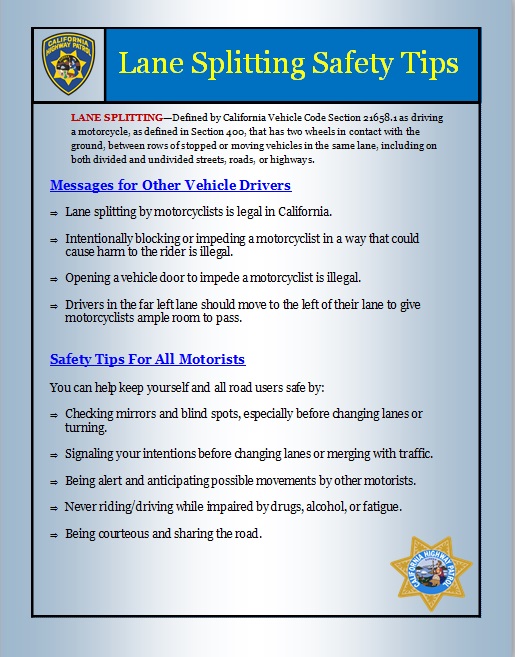
California law allows lane splitting only in slow or stopped traffic. Motorcycles must not exceed 10 mph faster than other vehicles. Riders should only split between the two left-most lanes. Lane splitting is not allowed on freeways with speed limits above 65 mph. The rider must always be cautious and ready to stop. Knowing these rules helps motorcyclists ride legally and safely.
Credit: www.kqed.org
Tips For Riders And Drivers
Lane splitting in California is legal but needs care from both riders and drivers. Everyone must know how to act safely on the road. This section gives simple tips to help both groups avoid crashes and stay safe.
Best Practices For Motorcyclists
Ride only between slow or stopped cars. Avoid high speeds while lane splitting. Check mirrors and blind spots before moving. Use turn signals to show your intent. Keep a steady pace and avoid sudden moves. Wear bright clothes and a helmet for safety. Stay alert and ready to stop quickly. Know the local laws and follow them strictly.
How Drivers Should Respond
Be aware that motorcycles might pass between lanes. Check mirrors often and look for bikes. Leave enough space for motorcycles to move safely. Do not change lanes suddenly near motorcycles. Signal early before turning or changing lanes. Stay calm and patient in traffic jams. Avoid distractions like phones or loud music. Respect motorcyclists as part of the traffic flow.
Credit: www.washingtonpost.com
Frequently Asked Questions
What Is Lane Splitting In California?
Lane splitting means riding a motorcycle between two lanes of slow or stopped traffic. It is legal in California under specific rules. This helps motorcycles move through traffic safely and quickly.
Is Lane Splitting Safe For Motorcyclists?
Lane splitting can be safe if done carefully and at low speeds. Riders must watch traffic closely and avoid sudden moves. Safety depends on rider skill and traffic conditions.
What Rules Must Motorcyclists Follow While Lane Splitting?
Motorcyclists must not exceed 10 mph faster than other cars while lane splitting. They should only split lanes in slow or stopped traffic. Riding between lanes at high speed is illegal and unsafe.
Can Cars Block Motorcycles From Lane Splitting?
Cars should not deliberately block motorcycles from lane splitting. Drivers must stay alert and give space when safe. Blocking motorcycles can cause accidents and is discouraged by law.
Conclusion
California allows lane splitting under specific rules and conditions. Riders must stay safe and aware of traffic around them. Following the laws helps prevent accidents and fines. Always check local updates, as rules can change. Riding responsibly protects both motorcyclists and other drivers.
Stay alert, use caution, and respect all road users. Lane splitting can save time but requires careful attention. Safety comes first on California roads.

Ismail Hossain is the founder of Law Advised. He is an Divorce, Separation, marriage lawyer. Follow him.