
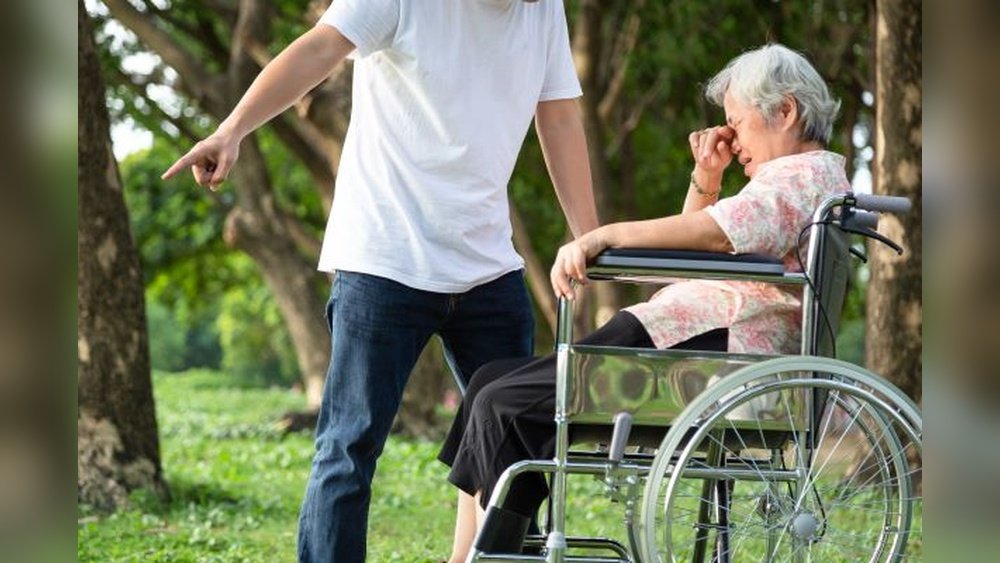
Elderly Abuse Investigations And Nursing Home Abuse: Uncovering Truths
If you have an elderly loved one in a nursing home, you want to trust that they are safe and well cared for. But what happens if you start to suspect something is wrong?
Elderly abuse can be hidden behind closed doors, making it hard to spot and even harder to prove. Understanding how elderly abuse investigations work can give you the power to protect your family member and ensure they receive the respect and care they deserve.
Keep reading to learn the signs to watch for, how investigations unfold, and what steps you can take if you believe abuse is happening. Your loved one’s safety depends on it.

Credit: www.omegalaw.com
Types Of Elderly Abuse
Elderly abuse takes many forms. Each type causes harm in different ways. Recognizing these types helps protect seniors and improve investigations.
Understanding the common types of elderly abuse is key. It helps identify signs and take action quickly. Abuse can happen anywhere, including nursing homes.
Physical Abuse
Physical abuse means hurting an older person’s body. It includes hitting, slapping, pushing, or using force. Bruises, cuts, or broken bones may show physical abuse. This type often leaves visible marks.
Emotional Abuse
Emotional abuse harms feelings and mental health. It may involve yelling, insulting, or ignoring the elderly person. This abuse can cause fear, sadness, and loneliness. Signs may be hard to see but very real.
Financial Exploitation
Financial exploitation means stealing or misusing money or property. It includes fraud, scams, or forcing the elder to give money. This abuse can ruin a senior’s savings and security. It often goes unnoticed for a long time.
Neglect And Abandonment
Neglect happens when caregivers fail to provide basic needs. Food, medicine, hygiene, and shelter may be missing. Abandonment means leaving the elderly person alone without care. Both cause serious harm and risk to health.
Credit: www.wieandlaw.com
Signs Of Nursing Home Abuse
Signs of nursing home abuse can be hard to spot. Many seniors may not speak up. Families and caregivers must watch closely for warning signs. Early detection helps protect loved ones from harm. Abuse can be physical, emotional, or neglectful. Recognizing these signs can save lives.
Physical Indicators
Unexplained bruises or cuts may show physical abuse. Broken bones or sprains without clear cause raise concern. Bedsores or skin infections often point to neglect. Poor hygiene or weight loss might signal mistreatment. Watch for signs of restraint marks on wrists or ankles.
Behavioral Changes
Seniors may become fearful or anxious around staff. Sudden withdrawal from social activities is a red flag. Aggression or anger outbursts can also indicate abuse. Changes in sleep patterns or appetite are common. Look for signs of depression or confusion too.
Environmental Red Flags
Unsafe or unsanitary living conditions matter. Dirty rooms, foul smells, or broken furniture show neglect. Lack of basic supplies like food, water, or clothing is alarming. Poorly maintained facilities increase risk of harm. Staff shortages or rude behavior may affect care quality.
Investigative Techniques
Investigating elderly abuse and nursing home abuse requires careful and precise methods. Detectives and specialists use several techniques to gather facts and protect victims. Each step helps build a clear picture of what happened. Understanding these methods gives insight into how justice is served and how abuse is prevented.
Interviewing Victims And Witnesses
Talking to victims and witnesses is a key step. Investigators ask simple, clear questions. They listen carefully to every detail. Victims may feel scared or confused. Gentle and patient interviewing helps them share their story. Witnesses can provide important information about the events.
Collecting Medical Evidence
Medical evidence reveals signs of abuse or neglect. Doctors and nurses examine injuries and health records. Photos of bruises or wounds are taken. Experts check for patterns that suggest harm. This evidence supports the victim’s account and shows the abuse’s impact.
Reviewing Facility Records
Facility records hold vital information about care. Investigators study staff reports and schedules. They check incident logs and medication records. These documents may show neglect or rule violations. Comparing records helps find inconsistencies and prove abuse.
Legal Frameworks And Protections
Legal protections are vital in the fight against elderly abuse and nursing home neglect. They create clear rules and guidelines to keep seniors safe. These laws help identify abuse and ensure justice for victims. Understanding these protections empowers families and caregivers to act confidently.
Many laws work together to protect elderly people. They cover different types of abuse, such as physical harm, neglect, and financial exploitation. Legal frameworks also set the duties of nursing homes and care providers. These rules help prevent abuse and improve care quality.
Federal And State Laws
Federal laws provide a basic level of protection for all seniors in care facilities. The Nursing Home Reform Act sets standards for quality care nationwide. States add their own rules to address local issues. These state laws can be stricter and offer extra safeguards. Together, federal and state laws form a strong defense against abuse.
Reporting Requirements
Staff at nursing homes must report any signs of abuse. Reporting rules vary by state but usually demand quick action. Caregivers and family members can also report suspected abuse. Timely reports trigger investigations to protect the elderly. These rules help uncover hidden abuse and stop it fast.
Rights Of The Elderly
Elderly individuals have clear rights under the law. They deserve respect, privacy, and safe living conditions. These rights include freedom from abuse and neglect. Seniors also have the right to voice complaints without fear. Laws support these rights to ensure dignity and safety.
Challenges In Abuse Investigations
Investigating elderly and nursing home abuse is a tough job. Many problems slow down the process and make it hard to find the truth. These challenges affect victims, families, and investigators. Understanding these hurdles helps improve care and safety for older adults.
Abuse cases often remain hidden due to several reasons. Staff and institutions sometimes resist investigations. Victims may feel scared or ashamed to speak out. Each problem creates a barrier to justice and protection.
Underreporting Issues
Many abuse cases never get reported. Older adults may fear losing their home or care. They might not trust officials or worry about retaliation. Families sometimes do not notice signs of abuse. This silence allows abuse to continue unnoticed.
Institutional Resistance
Nursing homes may block or delay investigations. Staff fear bad publicity or legal trouble. Some facilities hide evidence or deny problems. This resistance makes it harder to protect victims. Investigators must push harder to get the truth.
Emotional And Psychological Barriers
Victims often feel shame, fear, or confusion. They may blame themselves or doubt their own memories. Emotional pain can stop them from reporting abuse. Investigators need patience and care to gain trust. Support from counselors or advocates is vital.
Role Of Caregivers And Families
The role of caregivers and families is vital in protecting elderly loved ones. They provide daily care and emotional support. Their close contact allows them to spot changes quickly. Families and caregivers act as the first line of defense against abuse. Their awareness can help stop harm before it grows worse.
Trust and communication build a safer environment. Caregivers and families must work together. Both have a duty to watch for signs of trouble. They create a network of protection for the elderly.
Recognizing Warning Signs
Caregivers and families must learn to spot warning signs early. Physical injuries like bruises or cuts may signal abuse. Sudden changes in mood or behavior are also red flags. Neglect shows in poor hygiene or weight loss. Financial abuse might appear as missing money or unusual bills. Trust your instincts if something feels wrong.
Advocacy And Support
Families and caregivers should speak up for the elderly. They must report any suspected abuse to proper authorities. Support includes listening and believing the elderly’s concerns. Emotional support helps victims regain confidence. Advocates ensure the elderly receive fair treatment and care. They guide families through legal and medical steps.
Preventative Measures
Prevention starts with education about elderly abuse. Caregivers need training on proper care and respect. Regular visits and check-ins reduce isolation risks. Clear communication with nursing home staff helps maintain care quality. Families should review care plans and monitor changes. Creating a safe environment stops abuse before it begins.
Impact Of Abuse On Victims
Abuse in nursing homes and against the elderly causes deep harm. Victims suffer in many ways. The effects touch their body, mind, and future. Understanding these impacts helps us see why investigations matter.
Physical Health Consequences
Physical abuse leads to bruises, cuts, and broken bones. Some injuries take a long time to heal. Poor care can cause bedsores or infections. Many victims lose strength and mobility. Their overall health often gets worse quickly.
Mental Health Effects
Abuse creates fear and sadness in victims. Many feel lonely and hopeless. Anxiety and depression become common problems. Some elderly lose trust in caregivers. Mental wounds may last longer than physical ones.
Long-term Recovery
Recovery takes time and support. Victims need medical care and counseling. A safe environment is crucial for healing. Family and friends play a big role. Patience and understanding help victims regain their life.
Preventing Nursing Home Abuse
Preventing nursing home abuse is critical for protecting elderly residents. Abuse can cause serious harm, both physical and emotional. Taking steps to prevent abuse helps ensure safety and dignity for all residents.
Prevention requires a strong system involving staff, management, and the community. Each group plays a vital role. Working together creates a safer environment and reduces the risk of abuse.
Staff Training And Accountability
Proper training teaches staff how to care for elderly residents with respect. It includes recognizing signs of abuse and knowing how to report it. Staff must understand their responsibilities clearly. Regular training updates keep skills sharp and knowledge current.
Accountability means holding staff responsible for their actions. Supervisors must monitor behavior closely. Quick action on complaints prevents abuse from continuing. This creates a culture of safety and trust.
Facility Monitoring
Regular checks help find problems early. Inspections review cleanliness, safety, and care quality. Cameras and visitor logs increase transparency. Monitoring tools deter bad behavior by staff or visitors.
Management should act on all findings immediately. Fixing issues fast stops abuse before it grows. Frequent visits by outside agencies add extra protection.
Community Awareness Programs
Educating families and neighbors raises abuse awareness. Programs teach how to spot warning signs and report concerns. Informed communities support residents and encourage safe care.
Events and workshops create open discussions about elder care. They build stronger connections between nursing homes and the public. This support network acts as another layer of protection.
Credit: asginvestigations.com
Frequently Asked Questions
What Are Common Signs Of Elderly Abuse In Nursing Homes?
Unexplained bruises, sudden weight loss, and withdrawal are common signs. Watch for changes in mood or behavior too. These may indicate abuse or neglect.
How Do Investigators Check For Nursing Home Abuse?
Investigators review medical records and interview staff and residents. They also inspect the facility for safety and cleanliness. Evidence gathering is key to find the truth.
Who Can Report Suspected Elderly Abuse In Nursing Homes?
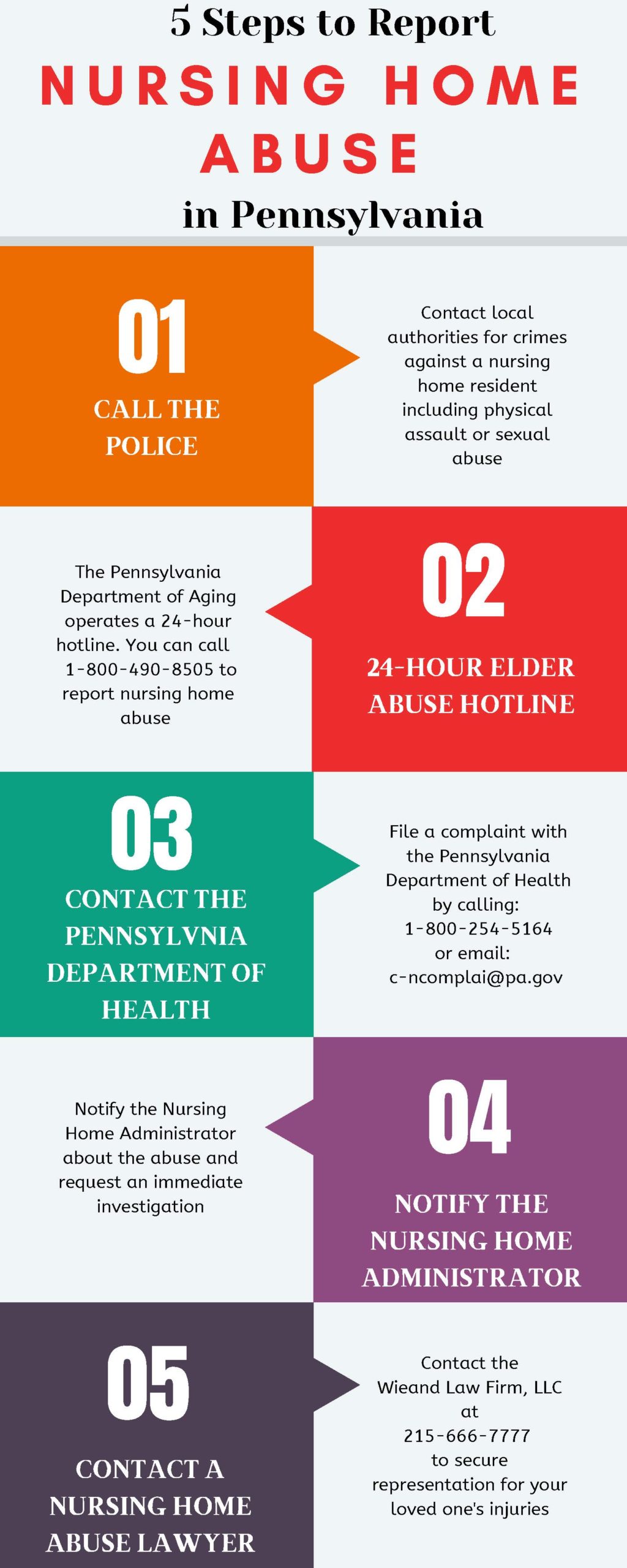
Anyone can report suspected abuse, including family, friends, or staff. Reports can be made to adult protective services or local authorities. Early reporting helps protect the elderly.
What Actions Follow After Nursing Home Abuse Is Confirmed?
The facility may face fines or legal action. Staff involved can lose their jobs or face charges. The victim will get help to ensure their safety.
Conclusion
Elderly abuse investigations protect vulnerable seniors. Nursing home abuse harms their health and trust. Families must stay alert to signs of abuse. Quick action can stop harm and bring justice. Reporting abuse helps improve care quality. Everyone deserves respect and safety in old age.
Awareness and care make a big difference. Keep learning and supporting elderly rights daily.

Ismail Hossain is the founder of Law Advised. He is an Divorce, Separation, marriage lawyer. Follow him.