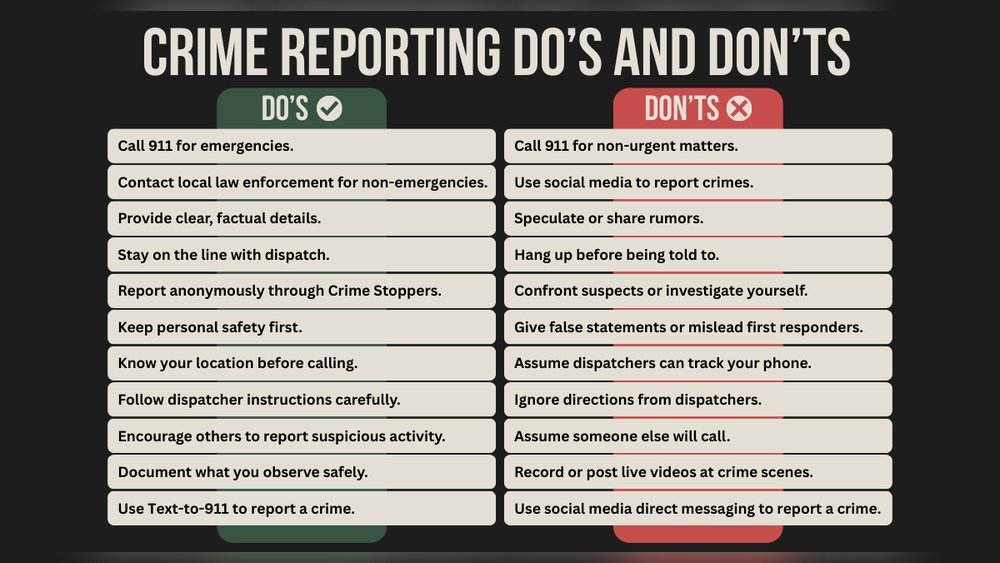
How To Report Crimes And Criminal Activity: Essential Steps You Must Know
Have you ever witnessed something suspicious and wondered what to do next? Knowing how to report crimes and criminal activity is important for your safety and the safety of others around you.
When you take the right steps, you can help stop danger before it spreads. This guide will show you simple, clear ways to report what you see—so you can act quickly and confidently. Keep reading to learn exactly what you need to do to make a difference.
Credit: www.durhamhousingauthority.org
Recognize Reportable Crimes
Knowing which crimes to report helps keep your community safe. Not every wrong act needs a police call. But certain actions require quick attention. Recognizing these crimes can protect people and property.
Reporting the right crimes stops harm early. It also helps police act fast. Learn what to watch for and report. This makes your neighborhood safer for all.
Types Of Crimes To Report
Report serious crimes like theft, assault, and vandalism. Crimes involving violence or threats need immediate attention. Drug use and drug sales should also be reported. Suspicious behavior around schools or parks matters too. Sometimes, small crimes lead to bigger problems. Reporting early can prevent more harm.
Signs Of Criminal Activity
Look for unusual actions like people hiding faces or carrying weapons. Strange noises like breaking glass or loud fights are warning signs. Sudden gatherings in quiet areas can mean trouble. Watch for vehicles parked for long without clear reason. People trying to avoid police or cameras often signal a problem. Trust your instincts if something feels wrong.
Gather Important Information
Gathering important information is the first step to report crimes. Clear and accurate details help the police understand what happened. It also speeds up their investigation. Keep calm and focus on facts.
Details To Note
Write down the date and time of the incident. Note the location precisely. Describe what happened in simple words. Try to remember the appearance of anyone involved. Include clothing, height, and any unusual marks. Listen carefully and record exact words if possible. Note any vehicles nearby. License plate numbers help a lot. Small details matter.
Collecting Evidence Safely
Do not touch or move anything at the crime scene. This keeps evidence safe and untouched. Use your phone to take photos or videos from a distance. Avoid risking your safety to gather evidence. Ask others nearby if they saw something. Write down their names and contact information. Keep all evidence in a safe place. Give everything to the police when reporting. Your careful actions can help catch the criminal.
Choose The Right Reporting Channel
Choosing the right channel to report crimes is very important. It helps you get the right help fast. Some crimes need quick action. Others can wait and use different contacts. Knowing which number to call saves time and keeps you safe.
Emergency Vs Non-emergency Contacts
Emergency contacts are for urgent help. Call 911 or your local emergency number for serious crimes. These include violence, fires, or accidents. Quick police or medical response is needed.
Non-emergency contacts are for less urgent issues. Report noise complaints, minor thefts, or suspicious activity here. Police still respond, but response time may be slower. Use this line to avoid blocking emergency services.
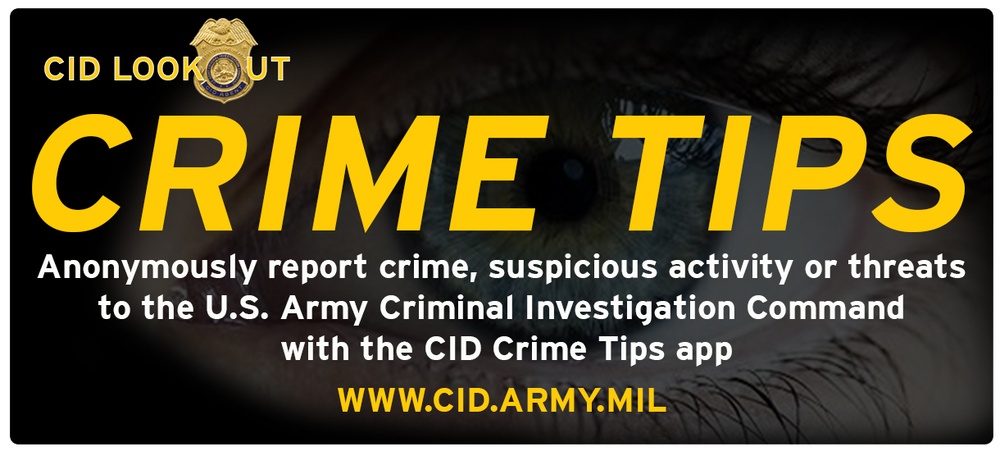
Anonymous Reporting Options
Some people want to stay anonymous. This helps if you fear danger or want privacy. Many police departments offer hotlines or online forms. You can share details without giving your name.
Anonymous tips still help catch criminals. Give as much detail as possible. This helps police act even without your identity. Check your local police website for these options.
Credit: www.dvidshub.net
Follow Up After Reporting
Following up after reporting a crime is important. It helps ensure your report is not forgotten. It also supports the ongoing investigation. Staying involved can make a difference in how the case moves forward.
Tracking Your Report
Keep a record of your report number or case ID. This helps you check the status easily. Contact the police department or agency handling the case. Ask for updates politely and clearly. Some places allow online tracking of reports. Use this service if it is available. Stay patient but persistent. Tracking shows you care about the case.
Supporting Investigations
Be ready to provide more information if asked. Sometimes investigators need extra details or clarification. Stay reachable by phone or email. Share any new evidence you find. Your help can speed up the process. Cooperate fully with law enforcement. Respect their instructions and timelines. Your support strengthens the investigation’s success.

Credit: unicri.org
Frequently Asked Questions
How Do I Report A Crime Safely And Quickly?
Call your local police or emergency number to report crimes fast. Provide clear details without putting yourself in danger. Stay calm and answer questions honestly.
What Information Should I Give When Reporting A Crime?
Share the exact location, time, and type of crime. Describe people involved and any evidence you saw. The more details, the better for police action.
Can I Report A Crime Anonymously?
Yes, many police departments accept anonymous crime reports. Use hotlines or online forms if you want privacy. This helps keep you safe while aiding investigations.
When Should I Call 911 Versus Non-emergency Numbers?
Call 911 for emergencies like violence, fire, or serious injury. Use non-emergency numbers for less urgent crimes or information. This keeps emergency lines open.
What Happens After I Report A Crime?
Police may investigate and collect evidence based on your report. You might be asked to give a statement or testify. They work to keep your community safe.
Can I Report Crimes Online Or Through Apps?
Many police departments offer online crime reporting or mobile apps. Use these for non-urgent crimes like theft or property damage. It’s a quick, easy way to inform authorities.
Conclusion
Reporting crimes helps keep your community safe and strong. Stay calm and share clear details with the right authorities. Your quick action can stop crime and protect others. Remember, every report matters, no matter how small. Trust your instincts and speak up when something feels wrong.
Together, we create safer neighborhoods for all. Don’t wait—report suspicious activity as soon as you notice it. Safety starts with you.

Ismail Hossain is the founder of Law Advised. He is an Divorce, Separation, marriage lawyer. Follow him.