Motorcycle Laws in Pennsylvania: Essential Rules Every Rider Must Know
Riding a motorcycle in Pennsylvania can be an exciting way to get around. But before you hit the road, you need to know the laws that keep you safe and legal.
Understanding these rules isn’t just about avoiding fines—it’s about protecting yourself and others. You’ll discover everything you must know about motorcycle laws in Pennsylvania. From helmet requirements to licensing and road rules, we’ve got you covered. Keep reading to make sure your next ride is smooth and worry-free.
Credit: www.brandonjbroderick.com
License And Registration Requirements
Riding a motorcycle in Pennsylvania requires following specific license and registration rules. These rules keep riders safe and ensure they meet legal standards. Understanding these requirements is important for every motorcyclist.
Knowing the types of motorcycle licenses helps you pick the right one. Getting a motorcycle endorsement adds to your driving privileges. Registration and title rules help you keep your bike legal on the road.
Types Of Motorcycle Licenses
Pennsylvania offers different motorcycle licenses based on your age and experience. The Class M license is the most common. It allows you to ride any motorcycle. There is also a learner’s permit for beginners. This permit has riding restrictions and helps you practice safely.
Obtaining A Motorcycle Endorsement
To ride a motorcycle legally, you must have a motorcycle endorsement on your driver’s license. This endorsement shows you passed the tests needed to ride. You can get it by passing a knowledge test and a skills test. Completing a motorcycle safety course can sometimes replace the skills test.
Registration And Title Rules
Motorcycles in Pennsylvania must be registered with the state. Registration shows that your bike is legal to ride on public roads. You will need a title for your motorcycle to prove ownership. Renewing your registration every year keeps your bike legal. Always carry proof of registration while riding.
Credit: www.grutzlaw.com
Helmet And Safety Gear Laws
Riding a motorcycle in Pennsylvania requires following specific safety rules. These rules help protect riders in case of accidents. Wearing the right gear is important for all motorcyclists. Pennsylvania has clear laws about helmets and safety equipment. Knowing these laws keeps riders safe and legal on the road.
Helmet Requirements
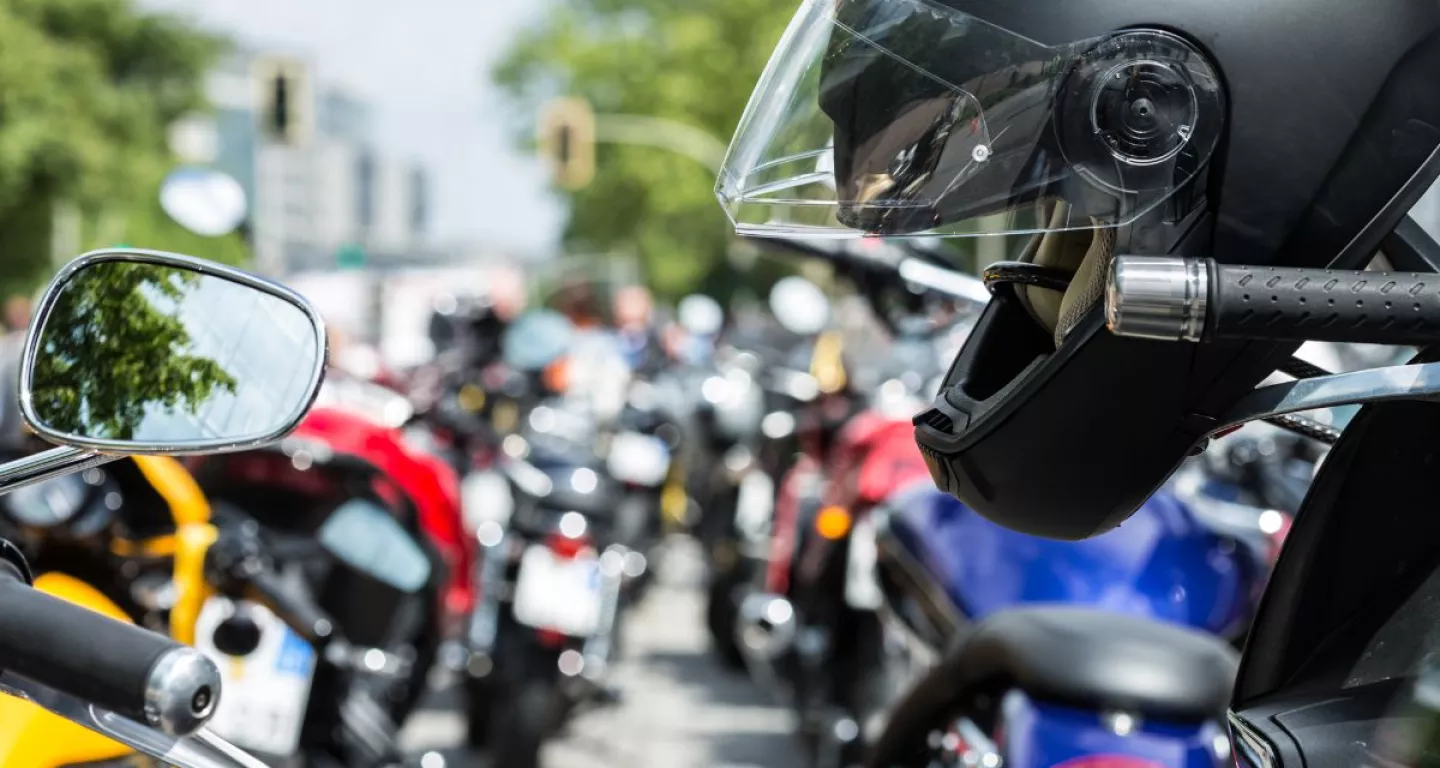
All motorcycle riders under 21 must wear a helmet. Riders 21 and older do not have to wear helmets if they meet certain conditions. These include having two years of riding experience or completing a motorcycle safety course. Helmets must meet federal safety standards. Wearing a helmet reduces the risk of head injury in crashes.
Protective Clothing Recommendations
Pennsylvania suggests wearing durable clothing while riding. Jackets and pants made of leather or thick fabric protect skin from road rash. Gloves improve grip and protect hands. Boots that cover ankles offer better support and protection. Though not required by law, these clothes improve rider safety.
Eye Protection Regulations
Riders must protect their eyes while riding. If a motorcycle has a windshield, riders can use it for eye protection. Without a windshield, riders must wear goggles or glasses. Clear vision helps avoid accidents. Eye protection keeps dirt and insects from distracting riders.
Road Rules For Motorcyclists
Motorcyclists in Pennsylvania must follow specific road rules to stay safe and legal. These rules help protect riders and other drivers. Understanding and following these laws reduces accidents and fines.
Knowing the basic road rules is important for every motorcyclist. It helps riders make smart decisions on the road.
Speed Limits And Lane Usage
Motorcyclists must obey posted speed limits at all times. Riding too fast increases the risk of crashes. Pennsylvania law treats motorcyclists the same as other vehicles for speed rules.
Riders should use one lane only and avoid weaving between cars. Lane splitting is illegal and dangerous in Pennsylvania. Staying in a single lane keeps traffic smooth and safe.
Passing And Overtaking Guidelines
Motorcyclists may pass other vehicles on the left side. Passing on the right is allowed only on roads with two or more lanes going the same way. Riders must check blind spots before overtaking.
Use turn signals before passing or changing lanes. This warns other drivers and prevents accidents. Passing must be done carefully and only when the road is clear.
Alcohol And Drug Restrictions
Riding under the influence of alcohol or drugs is illegal. Pennsylvania has strict DUI laws for motorcyclists. The legal blood alcohol limit is 0.08% for riders over 21.
Driving impaired greatly increases the chance of a crash. Law enforcement regularly tests riders suspected of intoxication. Stay sober to protect yourself and others on the road.

Credit: ciecka.com
Penalties And Enforcement
Riding a motorcycle in Pennsylvania comes with important rules. Breaking these rules can lead to penalties. The state enforces these laws strictly to keep riders safe. Knowing the consequences helps riders avoid trouble. It also promotes responsible riding across the roads.
Fines And Ticketing
Pennsylvania issues fines for many motorcycle violations. Speeding, running red lights, or not wearing a helmet can result in tickets. The fines vary based on the offense. Some minor violations carry smaller fines. Serious offenses may lead to higher costs. Paying fines on time is crucial to avoid extra fees.
License Suspension And Revocation
The state can suspend or revoke a motorcycle license. Multiple traffic violations increase the risk. Riding without a valid license also causes suspension. Some actions, like DUI, lead to immediate revocation. Losing a license means no riding until reinstated. Reinstatement requires meeting specific state conditions.
Accident Reporting Obligations
Riders must report accidents to the police under certain conditions. Injuries or property damage over a set amount require reporting. Failing to report accidents can cause penalties. Reporting helps authorities investigate and document the incident. It also assists in insurance claims and legal processes.
Frequently Asked Questions
What Are The Helmet Laws For Motorcyclists In Pennsylvania?
Pennsylvania requires all motorcycle riders and passengers to wear helmets. Helmets must meet federal safety standards. This law applies to all ages.
Do I Need A Special License To Ride A Motorcycle In Pennsylvania?
Yes, a motorcycle license or endorsement is required. You must pass a knowledge test and a skills test. A learner’s permit is also available.
What Are The Rules For Motorcycle Eye Protection In Pennsylvania?
Riders must wear eye protection unless their motorcycle has a windshield. Eye protection can be goggles or a face shield. This helps prevent accidents caused by debris.
Can I Carry A Passenger On My Motorcycle In Pennsylvania?
Passengers are allowed if the motorcycle is designed for two people. The passenger must also wear a helmet. Ensure your bike has a proper seat and footrests.
What Are The Speed Limits For Motorcycles In Pennsylvania?
Motorcycles must follow the same speed limits as other vehicles. Speed limits vary by area, usually 55 mph on highways. Always watch for posted signs and adjust speed safely.
Conclusion
Riding a motorcycle in Pennsylvania means following clear rules. Knowing these laws keeps you safe and legal on the road. Always wear a helmet and carry proper licenses. Respect speed limits and traffic signals. Stay alert and drive carefully every time.
Understanding these basics helps avoid fines and accidents. Enjoy the ride with confidence and peace of mind. Stay informed and keep your motorcycle skills sharp. Safety is key for every rider in Pennsylvania.

Ismail Hossain is the founder of Law Advised. He is an Divorce, Separation, marriage lawyer. Follow him.