Overtime Laws in Pennsylvania: What Every Worker Must Know
Are you working extra hours and wondering if you’re being paid fairly? Understanding overtime laws in Pennsylvania is crucial to making sure you get the pay you deserve.
Whether you’re an employee or an employer, knowing your rights and responsibilities can save you from costly mistakes. You’ll discover the key facts about overtime rules, how they apply to you, and what steps to take if you think your overtime pay is wrong.
Keep reading to protect your hard-earned time and money.
Pennsylvania Overtime Basics
Pennsylvania overtime laws protect workers by setting clear rules. These rules explain when overtime pay starts and how much it should be. Understanding these basics helps workers know their rights and employers follow the law.
The state follows federal overtime laws but has some specific details. Knowing standard work hours and overtime pay rates is key for everyone in the workforce.
Standard Work Hours
In Pennsylvania, the standard workweek is 40 hours. Work beyond 40 hours is usually overtime. Most workers start earning overtime pay after 40 hours in one week. The law counts hours worked from Sunday to Saturday.
Some jobs may have different rules, but 40 hours is the norm. Employers track time to make sure workers get paid correctly.
Overtime Pay Rates
Overtime pay in Pennsylvania must be at least 1.5 times the normal hourly rate. For example, if a worker earns $10 per hour, overtime pay is $15 per hour. This higher rate applies to hours worked over 40 in a week.
Employers cannot pay less than this rate for overtime hours. This rule helps workers earn fair pay for extra time worked.
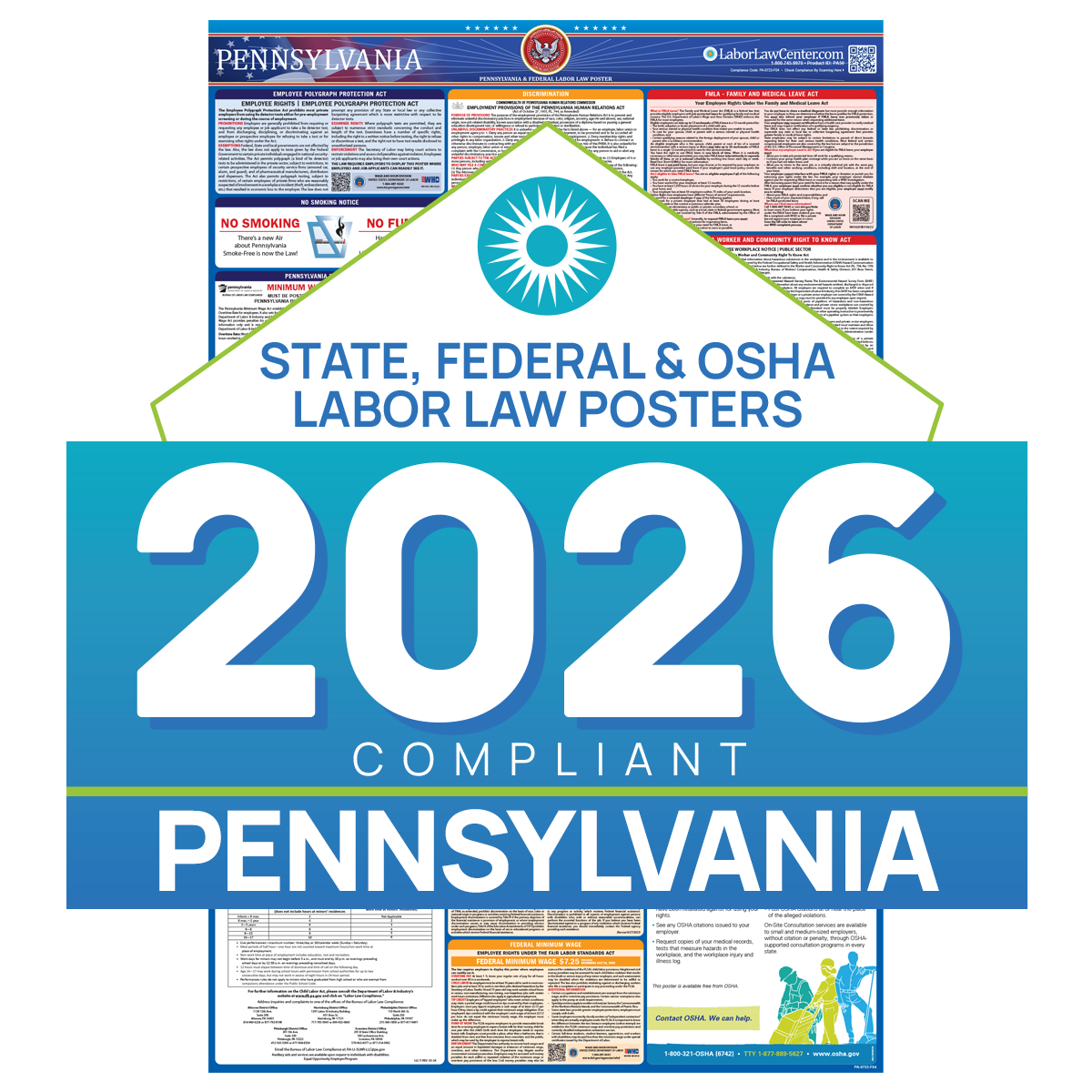
Credit: www.laborlawcenter.com
Who Qualifies For Overtime
Understanding who qualifies for overtime in Pennsylvania is important for both workers and employers. The state follows federal rules but also has specific laws. Not all employees receive overtime pay. It depends on the job and the employee’s status.
Exempt Vs Nonexempt Employees
Employees in Pennsylvania are either exempt or nonexempt from overtime rules. Nonexempt workers must receive overtime pay for hours worked beyond 40 in a week. Exempt employees do not get overtime pay. Exempt status usually depends on job duties and salary level. Most hourly workers are nonexempt. Salaried workers with certain roles may be exempt.
Job Roles And Eligibility
Certain job roles qualify for overtime more often. Clerical, manual, and service jobs usually get overtime. Managers, executives, and professionals may be exempt. Some jobs in sales or administration can be exempt too. Eligibility depends on how much control and responsibility the job has. Salary thresholds also play a role. Pennsylvania follows federal salary limits to decide eligibility.
Calculating Overtime Pay
Calculating overtime pay in Pennsylvania follows specific rules set by law. These rules ensure employees receive fair compensation for extra hours worked beyond the standard 40-hour workweek. Understanding how to calculate overtime pay helps workers and employers avoid mistakes and disputes.
Overtime pay is usually one and a half times the regular hourly rate. This rate applies to all hours worked over 40 in a single week. The key is determining the correct regular rate of pay to use in calculations.
Regular Rate Of Pay
The regular rate of pay includes more than just the base hourly wage. It also covers bonuses, commissions, and some other types of pay. Pennsylvania law requires adding these payments to find the true hourly rate.
Divide total earnings by total hours worked in the week. This calculation gives the regular hourly rate. Then, multiply this rate by 1.5 to find the overtime rate. This method ensures workers get paid fairly for every extra hour.
Different Pay Structures
Not all workers receive a simple hourly wage. Some get paid through salaries, piece rates, or commissions. Each pay structure requires a different method to calculate overtime.
For salaried employees, divide the weekly salary by the hours worked. This amount becomes the regular rate for overtime calculations. Piece-rate workers need total earnings divided by total hours. This ensures the overtime pay matches their actual earnings.
Employers must follow these rules carefully. Proper calculations prevent legal problems and support fair pay for all workers.

Credit: www.xecutethevision.com
Common Overtime Issues
Overtime laws protect workers who put in extra hours beyond their regular schedule. Many employees face issues with overtime pay that employers must address. Understanding these common problems helps workers know their rights and employers follow the rules.
Problems often arise around unpaid overtime and employer mistakes. Both sides must be aware of Pennsylvania’s specific overtime laws to avoid disputes.
Unpaid Overtime Claims
Unpaid overtime claims occur when workers do not receive pay for extra hours. Some employers fail to track hours accurately. Others might classify workers wrongly to avoid paying overtime. This leads to disputes and legal claims.
Employees must keep records of their work hours. This evidence supports their claim for unpaid overtime. Pennsylvania law requires paying overtime at 1.5 times the regular pay rate for hours over 40 per week. Failure to follow this rule can result in penalties for employers.
Employer Compliance Tips
Employers should track all employee hours carefully. Use reliable systems to record clock-in and clock-out times. Clear policies on overtime help prevent confusion and mistakes.
Training managers on overtime laws is essential. They must understand when to pay overtime and how to calculate it. Regular audits of payroll can catch errors early. Compliance protects businesses from lawsuits and fines.

Credit: www.weisbergcummings.com
Frequently Asked Questions
What Are The Standard Overtime Rules In Pennsylvania?
Pennsylvania follows the federal Fair Labor Standards Act for overtime pay. Workers get 1. 5 times their regular rate after 40 hours per week.
Who Qualifies For Overtime Pay In Pennsylvania?
Most hourly employees qualify for overtime pay. Some salaried workers and specific jobs may be exempt under state and federal law.
How Is Overtime Pay Calculated In Pennsylvania?
Overtime pay equals 1. 5 times the employee’s regular hourly wage. This rate applies to hours worked beyond 40 in a workweek.
Can Employers Require Overtime Work In Pennsylvania?
Yes, employers can require overtime unless a contract or union agreement says otherwise. Refusing could affect your job.
What Should I Do If Overtime Pay Is Denied?
You can file a complaint with the Pennsylvania Department of Labor. Legal help is also available to claim unpaid overtime.
Conclusion
Knowing Pennsylvania’s overtime laws helps protect your rights at work. Most employees earn extra pay after 40 hours weekly. Some jobs may have special rules. Always check your pay and hours carefully. Talk to your employer if you think there is a mistake.
Understanding these laws keeps your work fair and clear. Stay informed to avoid surprises on your paycheck. Overtime rules matter for your time and money. Keep learning and stay confident about your work rights.

Ismail Hossain is the founder of Law Advised. He is an Divorce, Separation, marriage lawyer. Follow him.