What are the Gun Laws in Pennsylvania: Essential Guide for 2026
Are you curious about the gun laws in Pennsylvania and how they might affect you? Whether you’re a gun owner, considering buying a firearm, or just want to understand your rights better, knowing the rules is crucial.
Pennsylvania’s gun laws can be confusing, with important details that impact your safety and legal responsibilities. You’ll get clear, straightforward answers about what you can and cannot do with guns in Pennsylvania. Keep reading to make sure you’re fully informed and protected.

Credit: www.usconcealedcarry.com
Pennsylvania Firearm Ownership Rules
Pennsylvania has clear rules about owning firearms. These rules help keep everyone safe. Understanding them is important for all residents.
Firearm ownership in Pennsylvania comes with responsibilities. The state sets limits on who can own guns and what types are allowed. Knowing these rules helps avoid legal trouble.
Eligibility And Background Checks
To own a gun in Pennsylvania, you must meet certain requirements. You cannot have a criminal record or be under certain legal restrictions. The state runs background checks before sales. These checks ensure you are allowed to own a firearm.
Private sellers must also follow the background check rules. This helps prevent guns from going to dangerous people.
Types Of Firearms Allowed
Pennsylvania allows many types of firearms. These include handguns, rifles, and shotguns. Some weapons, like fully automatic guns, are heavily restricted. Certain firearms need special permits or licenses. Know which guns are legal before buying or carrying.
Age Restrictions
Age limits apply to buying and owning guns in Pennsylvania. You must be at least 18 years old to buy rifles or shotguns. For handguns, you must be 21 or older. These limits protect young people from accessing firearms too early.
Credit: www.nbcphiladelphia.com
Carrying Firearms In Pennsylvania
Carrying firearms in Pennsylvania is regulated by state laws that balance public safety with individual rights. Knowing the rules helps you carry legally and responsibly. Pennsylvania allows both concealed and open carry of firearms, but specific laws apply to each method.
Concealed Carry Permits
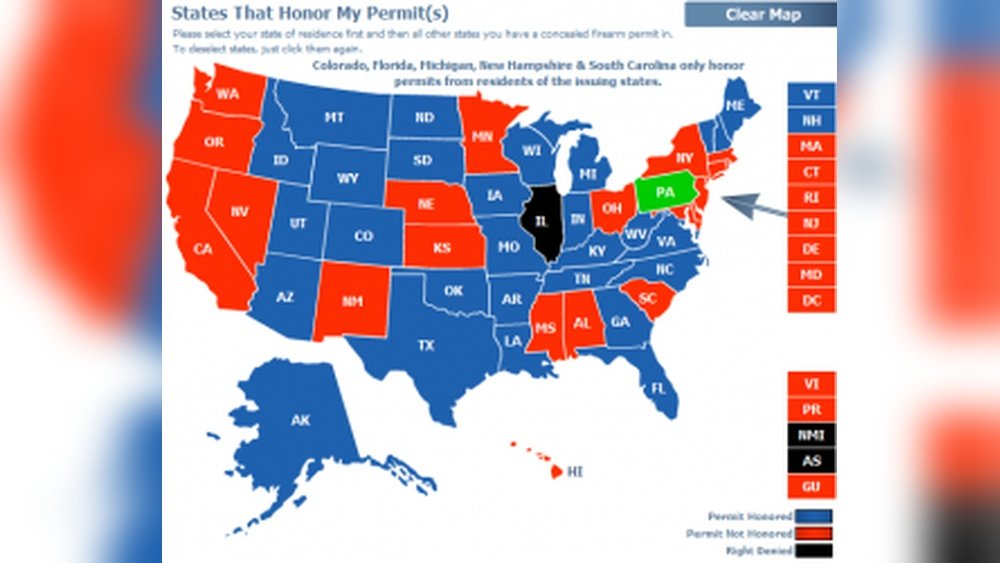
To carry a concealed firearm, you need a license from the state. The application requires background checks and fingerprinting. The permit lasts for five years and must be renewed before it expires. Concealed carry is allowed only if the permit is valid and on your person.
Applicants must be at least 21 years old. Some exceptions apply for military members aged 18 or older. The permit is valid throughout Pennsylvania and recognized in some other states.
Open Carry Regulations
Open carry means carrying a firearm visibly on your body. Pennsylvania does not require a permit for open carry. You must carry the firearm in a way that is not threatening. Certain rules limit open carry in crowded or sensitive areas.
Open carry is prohibited for individuals under 18, with some exceptions. You cannot carry a firearm openly if you are intoxicated or in restricted zones. Being respectful and aware is key when openly carrying a gun.
Places Where Guns Are Prohibited
Pennsylvania law bans firearms in certain places regardless of carry method. Schools, courthouses, and government buildings do not allow guns. Private businesses can also ban firearms on their property.
Carrying firearms in bars or places serving alcohol is illegal. Guns are not allowed in correctional facilities or public transportation. Always check signs and local rules to avoid legal trouble.
Gun Purchase And Transfer Laws
Pennsylvania has clear rules for buying and transferring guns. These laws help keep the process safe and legal. They cover private sales, waiting times, and dealer requirements. Understanding these rules is important for every buyer and seller.
Private Sales And Transfers
Private gun sales do not require a background check in Pennsylvania. Sellers and buyers must be 18 or older. It is illegal to sell guns to people who are not allowed to own them. Both parties should be sure the buyer is eligible before the sale.
Waiting Periods
Pennsylvania does not have a mandatory waiting period for gun purchases. Buyers can take their firearm home right after buying. The lack of waiting periods speeds up the process. Buyers must still pass a background check when buying from a dealer.
Licensed Dealer Requirements
Licensed gun dealers must follow strict rules. They must perform background checks on all buyers. Dealers must keep detailed records of all sales. These steps help prevent guns from going to prohibited people. Licensed dealers play a key role in gun safety.
Recent And Upcoming Law Changes
Pennsylvania’s gun laws have seen some recent updates. More changes are set for 2026. These updates affect how residents carry, buy, and register firearms. Staying informed helps avoid legal issues and keeps everyone safe.
New Legislation For 2026
Starting in 2026, Pennsylvania will require background checks on all gun sales. This includes private and gun show sales. The state also plans to tighten rules on firearm storage. These laws aim to reduce accidental shootings and theft. Lawmakers hope these changes balance rights and safety.
Impact On Gun Owners
Gun owners must now follow stricter rules. Background checks could slow down private sales. Owners must lock up guns safely to meet new standards. Failure to comply might lead to fines or criminal charges. Knowing these changes helps owners stay legal and responsible.
Compliance Tips
Check your firearms regularly for proper storage. Use gun safes or lockboxes to secure weapons. Always verify if a buyer has passed a background check. Keep records of all sales and transfers. Staying updated on new laws prevents trouble with authorities.

Credit: www.bonnerlaw.net
Frequently Asked Questions
What Guns Are Legal To Own In Pennsylvania?
Pennsylvania allows ownership of most firearms, including handguns, rifles, and shotguns. Some restrictions apply to automatic weapons and certain firearms. Always check current laws before purchasing.
Do I Need A Permit To Carry A Gun In Pennsylvania?
You need a License to Carry Firearms (LTCF) to carry a concealed gun. Open carry is generally allowed without a permit. Local rules may vary, so verify before carrying.
How Old Must You Be To Buy A Gun In Pennsylvania?
You must be at least 18 to buy rifles or shotguns. For handguns, the minimum age is 21. Age verification is mandatory during gun sales.
Can Felons Own Guns In Pennsylvania?
No, convicted felons are prohibited from owning or possessing guns in Pennsylvania. This restriction applies to both handguns and long guns. Violating this can lead to serious legal trouble.
Are Background Checks Required For All Gun Sales In Pennsylvania?
Background checks are required for sales through licensed dealers. Private sales do not always require a background check. Be aware of federal and state laws before selling or buying.
Conclusion
Pennsylvania’s gun laws balance rights and safety. Knowing these rules helps you stay legal. Always check for updates to stay informed. Respecting the laws protects you and others. Stay responsible and understand your rights fully. Safe gun use keeps communities secure.
Follow the rules, and you avoid trouble. Simple steps make a big difference every day.

Ismail Hossain is the founder of Law Advised. He is an Divorce, Separation, marriage lawyer. Follow him.