Handgun Laws in Pennsylvania: What Every Gun Owner Must Know
If you own a handgun or are thinking about getting one in Pennsylvania, knowing the state’s laws is crucial. Handgun laws can be confusing, but understanding them helps keep you safe and on the right side of the law.
Whether you want to carry for personal protection or just keep a firearm at home, this guide will give you clear, simple answers. By the time you finish reading, you’ll feel more confident about your rights and responsibilities. Ready to learn what you need to know about handgun laws in Pennsylvania?
Let’s dive in.
Pennsylvania Carry Permits
Pennsylvania allows residents to carry handguns with a valid permit. These permits help ensure safe and legal handgun use. Understanding different permits, the application process, and restrictions is important for anyone who wants to carry a handgun in Pennsylvania.
Types Of Permits
Pennsylvania issues two main types of carry permits. The License to Carry Firearms (LTCF) allows carrying handguns openly or concealed. The License to Acquire Firearms (LTA) is only for buying handguns, not carrying. Most people apply for the LTCF to carry handguns legally in public.
Application Process
Applicants must be at least 21 years old. They submit an application to the county sheriff’s office. The process includes a background check and fingerprinting. Applicants must not have felony convictions or certain mental health issues. The sheriff reviews the application and issues the permit within 45 days if all is clear.
Permit Restrictions
Carry permits have specific rules. They do not allow carrying in certain places like schools, courthouses, and federal buildings. Permits are valid for five years and must be renewed. Carrying a handgun requires following all state and local laws. Violating permit rules can lead to fines or losing the permit.
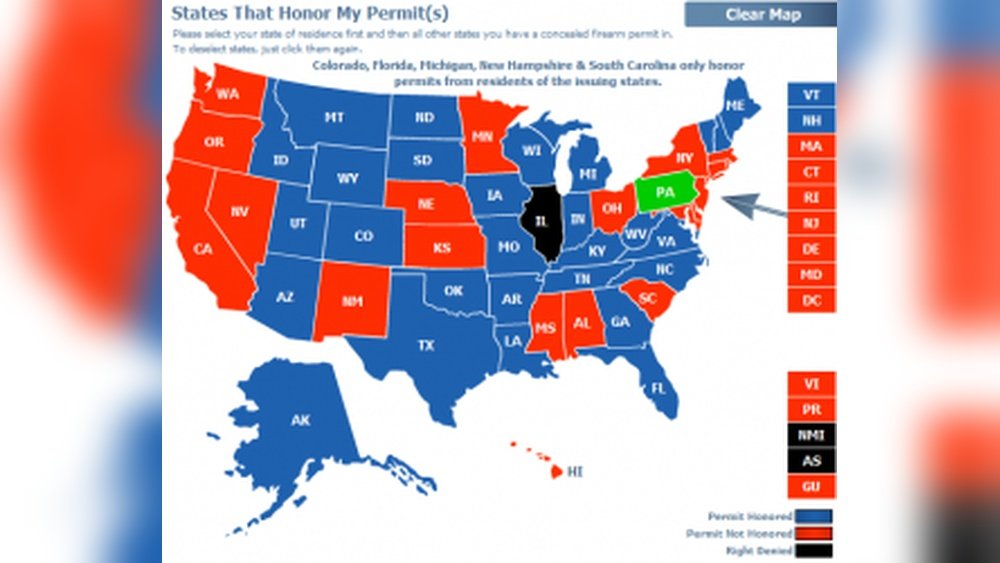
Credit: handgunlaw.us
Legal Requirements For Handgun Ownership
Understanding the legal requirements for handgun ownership in Pennsylvania is important for all residents. The state has clear rules to keep everyone safe. Knowing these rules helps avoid legal trouble. It also promotes responsible gun ownership.
These laws cover who can own a handgun, how to store it, and how to carry it. Let’s explore the key points about age limits, background checks, storage, and transportation.
Age And Background Checks
To own a handgun in Pennsylvania, a person must be at least 21 years old. This age limit ensures maturity and responsibility. Sellers must check the buyer’s background before selling a handgun. The background check looks for criminal records or mental health issues. These checks are done through the Pennsylvania Instant Check System (PICS). The process helps stop guns from reaching dangerous individuals.
Storage And Transportation Rules
Pennsylvania requires gun owners to store handguns safely. Handguns should be kept unloaded and locked up when not in use. This prevents accidents and theft. When transporting a handgun, it must be unloaded and stored in a secure container. The container should be separate from ammunition. Following these rules protects others and respects the law.
Places Where Guns Are Restricted
Pennsylvania has specific rules about where guns cannot be carried. These rules protect public safety and limit gun use in sensitive areas. Knowing these places helps avoid legal trouble.
Some locations have strict gun bans. Others depend on private property owners’ choices. Understanding these rules is key for responsible gun owners.
Prohibited Locations
Guns are not allowed in schools and school zones. This includes buildings and grounds. State law also bans guns in courthouses. Other restricted places include government buildings and jails.
Bars and places serving alcohol often prohibit guns. Public transportation vehicles may also ban firearms. These laws help keep these areas safe.
Private Property Rules
Private property owners decide if guns are allowed. They can post signs to ban firearms. If a sign is posted, carrying a gun may lead to legal issues.
Always respect the rules of private spaces. Asking permission before bringing a gun is wise. This shows respect and avoids misunderstandings.

Credit: www.usconcealedcarry.com
Recent Changes In Pennsylvania Gun Laws
Pennsylvania has updated its handgun laws recently. These changes affect many gun owners and buyers. The new rules aim to improve safety and clarify legal rights. Knowing the latest updates helps avoid legal problems. Stay informed about what has changed.
New Legislation Highlights
One key change is the adjustment to background check requirements. Now, buyers must undergo more thorough checks. This step helps prevent guns from reaching unauthorized users. Another update involves where handguns can be carried. Certain public places have new restrictions. Also, gun owners must follow new rules about storage. These laws focus on keeping guns out of reach from children and others.
Impact On Gun Owners
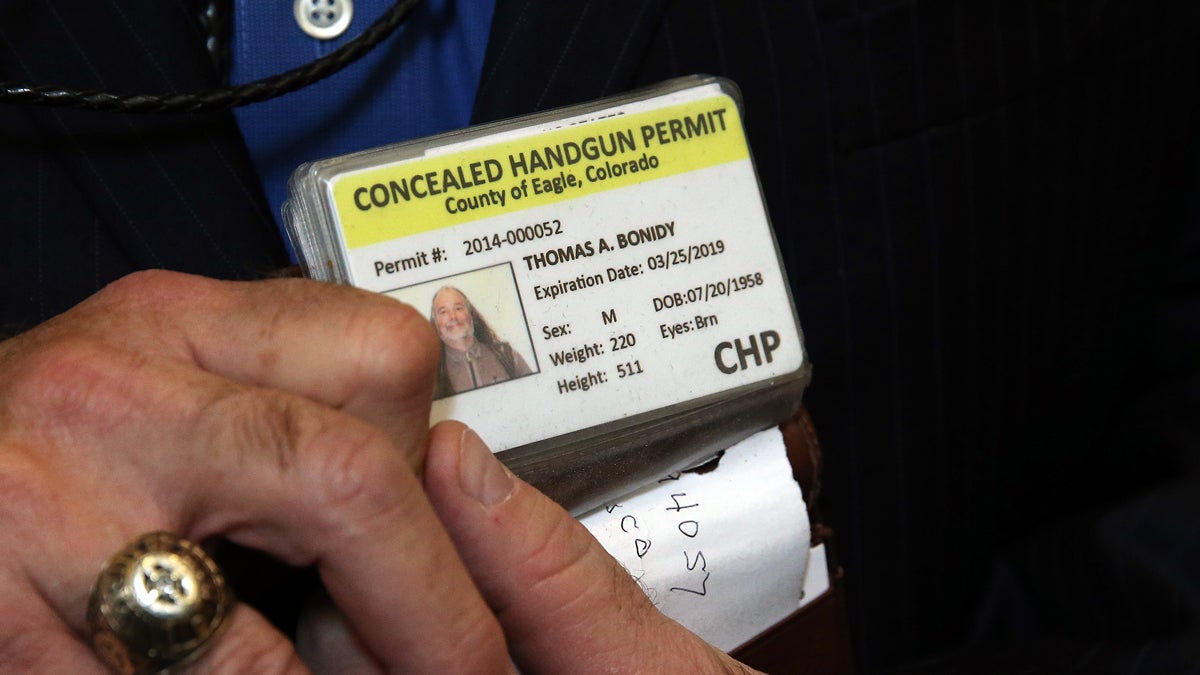
Gun owners face new responsibilities under these laws. They must complete updated safety courses before buying a handgun. Carry permits now require more detailed application processes. This includes submitting fingerprints and more personal information. Failure to comply can result in fines or loss of rights. Owners must also keep firearms stored safely at home. These steps reduce accidents and thefts involving guns.
Credit: whyy.org
Frequently Asked Questions
What Are The Basic Handgun Laws In Pennsylvania?
Pennsylvania allows handgun ownership with a license. You must apply for a License to Carry Firearms (LTCF) to carry a handgun openly or concealed. Background checks are required during the application process.
How Do I Apply For A Handgun License In Pennsylvania?
You must apply at the county sheriff’s office or Pennsylvania State Police. Provide proof of residency, complete a background check, and pay a fee. The process usually takes 45 days.
Can I Carry A Handgun Without A License In Pennsylvania?
No, carrying a handgun openly or concealed requires a valid LTCF. Exceptions apply only to certain law enforcement officers. Carrying without a license can lead to legal penalties.
Are There Any Places Where Handguns Are Prohibited In Pennsylvania?
Yes, handguns are banned in schools, federal buildings, and private properties with posted signs. Some local laws may also restrict handgun use in certain areas. Always check local rules before carrying.
What Are The Rules For Carrying A Concealed Handgun In Pennsylvania?
You must have a valid LTCF to carry concealed. The handgun must be carried in a way that is not visible to others. Always follow state laws and respect private property rules.
Conclusion
Pennsylvania’s handgun laws balance safety and rights carefully. Residents must follow clear rules for ownership and carrying. Knowing these laws helps avoid legal trouble. Always stay updated on any changes to the rules. Responsible gun use protects you and your community.
Understanding the basics makes handling firearms safer for everyone. Stay informed, stay safe.

Ismail Hossain is the founder of Law Advised. He is an Divorce, Separation, marriage lawyer. Follow him.