
What are the Gun Laws in California: Essential Facts You Must Know
If you own a gun or are thinking about getting one in California, it’s crucial to understand the state’s gun laws. California has some of the strictest firearm regulations in the country, and knowing the rules can protect you from serious legal trouble.
Are you wondering if you can carry a gun openly or concealed? Do you know what steps you must take before buying a firearm? This article breaks down the key points you need to know about California’s gun laws—clearly and simply.
Keep reading to make sure you’re fully informed and staying on the right side of the law.

Credit: www.amazon.com
Firearm Purchase Rules
California has strict rules for buying firearms to keep people safe. These laws control who can buy guns and how sales happen. Understanding these rules is important for every buyer.
Background Checks
All firearm buyers must pass a background check. This check looks for criminal records and mental health issues. The check applies to every gun purchase. Buyers must go through a licensed dealer for this process.
Waiting Periods
California requires a waiting period of ten days before buyers can take a gun home. This time allows authorities to complete background checks. The waiting period helps prevent impulsive violence. No gun can be delivered before this period ends.
Private Sales
Private sales must also go through a licensed dealer. Both buyer and seller meet at the dealer’s location. The dealer runs the background check for the buyer. This rule closes loopholes in private gun sales. It ensures all transfers are tracked and legal.
Credit: everytownresearch.org
Carrying And Transporting Guns
California has strict rules about carrying and transporting guns. These laws help keep people safe and prevent gun misuse. Knowing the rules can avoid serious legal trouble. Below are key points about carrying and transporting firearms in the state.
Concealed Carry Permits
Carrying a hidden gun in public needs a special permit. This permit is called a Concealed Carry Weapon (CCW) license. The local sheriff or police chief issues it. Applicants must pass background checks and complete safety training. California does not accept CCW permits from other states.
Open Carry Restrictions
Carrying a gun openly on the street is mostly illegal. This rule applies to both handguns and long guns. Exceptions exist in some rural areas, but city and town areas forbid open carry. Violating this law can lead to arrest and fines.
Transporting Firearms In Vehicles
Firearms must be transported in a specific way inside vehicles. Guns should be unloaded and stored in a locked container. The container must be separate from ammunition. Carrying a loaded gun in a car without a permit is illegal. Following these rules helps avoid legal issues during traffic stops.
Assault Weapons And Ghost Guns
California has strict rules on assault weapons and ghost guns. These laws aim to reduce gun violence and increase public safety. Understanding these rules helps gun owners stay legal and safe.
Assault Weapon Regulations
California bans many types of assault weapons. These include rifles, pistols, and shotguns with certain features. Owners must register assault weapons made before 2000. New assault weapons are illegal to buy or sell. Possessing an unregistered assault weapon is a crime. The law defines assault weapons by features like pistol grips and folding stocks.
Ghost Gun Restrictions
Ghost guns lack serial numbers and are untraceable. California treats unfinished frames as firearms. Making or selling ghost guns requires a serial number. Buyers must pass a background check. Police can confiscate ghost guns without proper registration. The state works to stop ghost guns from entering the market.
Serial Number Requirements
All firearms in California need serial numbers. This includes homemade and ghost guns. Serial numbers must be engraved or permanently affixed. Gun owners must register firearms with the state. Serial numbers help law enforcement trace guns. Failing to have a serial number can lead to fines and jail.
Credit: www.calgunlawyers.com
Prohibited Possession And Categories
California enforces strict rules on who can possess firearms. These rules focus on protecting public safety by limiting gun ownership. Certain people and situations fall under prohibited possession categories. Understanding these categories is key to following the law.
These laws aim to prevent firearms from reaching dangerous individuals. They include restrictions based on criminal history, mental health, and other factors. California’s approach is thorough and detailed.
Who Cannot Own Firearms
People convicted of felonies cannot own guns in California. This includes violent crimes and serious offenses. Individuals under restraining orders related to domestic violence are also banned. Those with certain mental health commitments cannot possess firearms. The state keeps a list of disqualified persons to enforce these rules.
Red Flag Laws
California uses red flag laws to prevent gun violence. Courts can temporarily remove guns from people deemed dangerous. Family members or law enforcement may request these orders. The process requires evidence of a threat to self or others. These laws help stop tragedies before they happen.
Penalties For Violations
Violating gun possession laws in California leads to serious penalties. Fines, imprisonment, or both may apply. Repeat offenses carry harsher sentences. Illegal possession includes owning guns without permission or while disqualified. The state prosecutes violations to maintain safety.
Local Rules And Additional Requirements
California gun laws include state-wide rules and local variations. These local rules often add extra steps for gun owners. Understanding these additional requirements helps avoid legal trouble.
County-level Permit Variations
Each county in California may handle gun permits differently. Some counties issue permits more easily, while others have strict rules. The sheriff or police chief decides the rules. You must apply for a permit in the county where you live. Some counties require proof of good cause for a permit. Others may need interviews or background checks beyond the state’s minimum.
Mandatory Safety Courses
Many counties require gun owners to complete a safety course. These courses teach safe handling and storage of firearms. The state may require a minimum number of hours for the course. Courses often include live-fire training and classroom lessons. Completing these courses is necessary before getting a permit. Some counties also require refresher courses after a few years.
Storage And Safe Handling
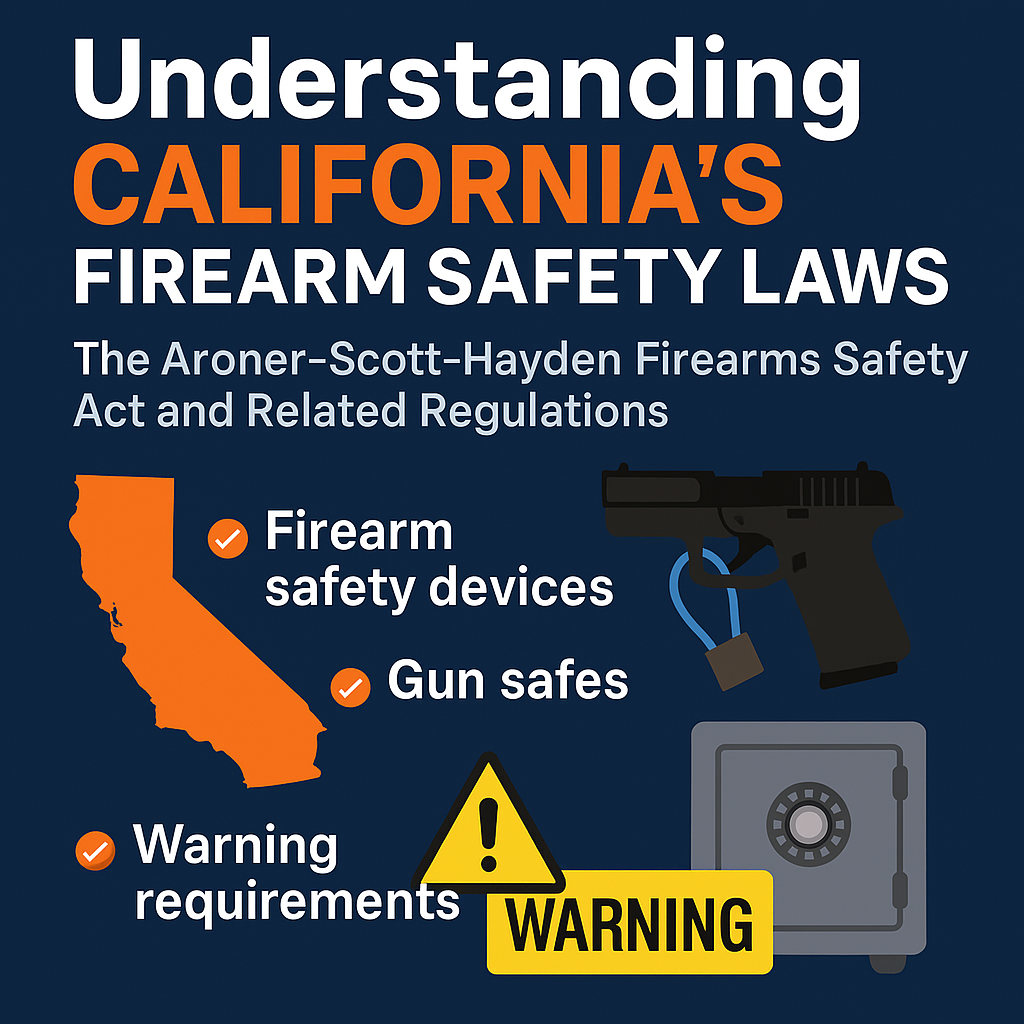
California law demands safe storage of firearms at home. Guns must be locked up or secured with a safety device. This prevents children or unauthorized people from accessing the guns. Many counties have stricter storage rules than the state. Safe handling also means using trigger locks and keeping ammunition separate. Violating storage laws can lead to fines or criminal charges.
Frequently Asked Questions
Can You Carry A Gun In California Now?
Carrying a concealed gun in California requires a valid CCW license from local authorities. Open carry is mostly prohibited.
Can You Have A Gun In Your House Without A License In California?
California law allows gun possession at home without a license. Licensed purchase and background checks apply. Storage laws must be followed.
How Strict Are The Gun Laws In California?
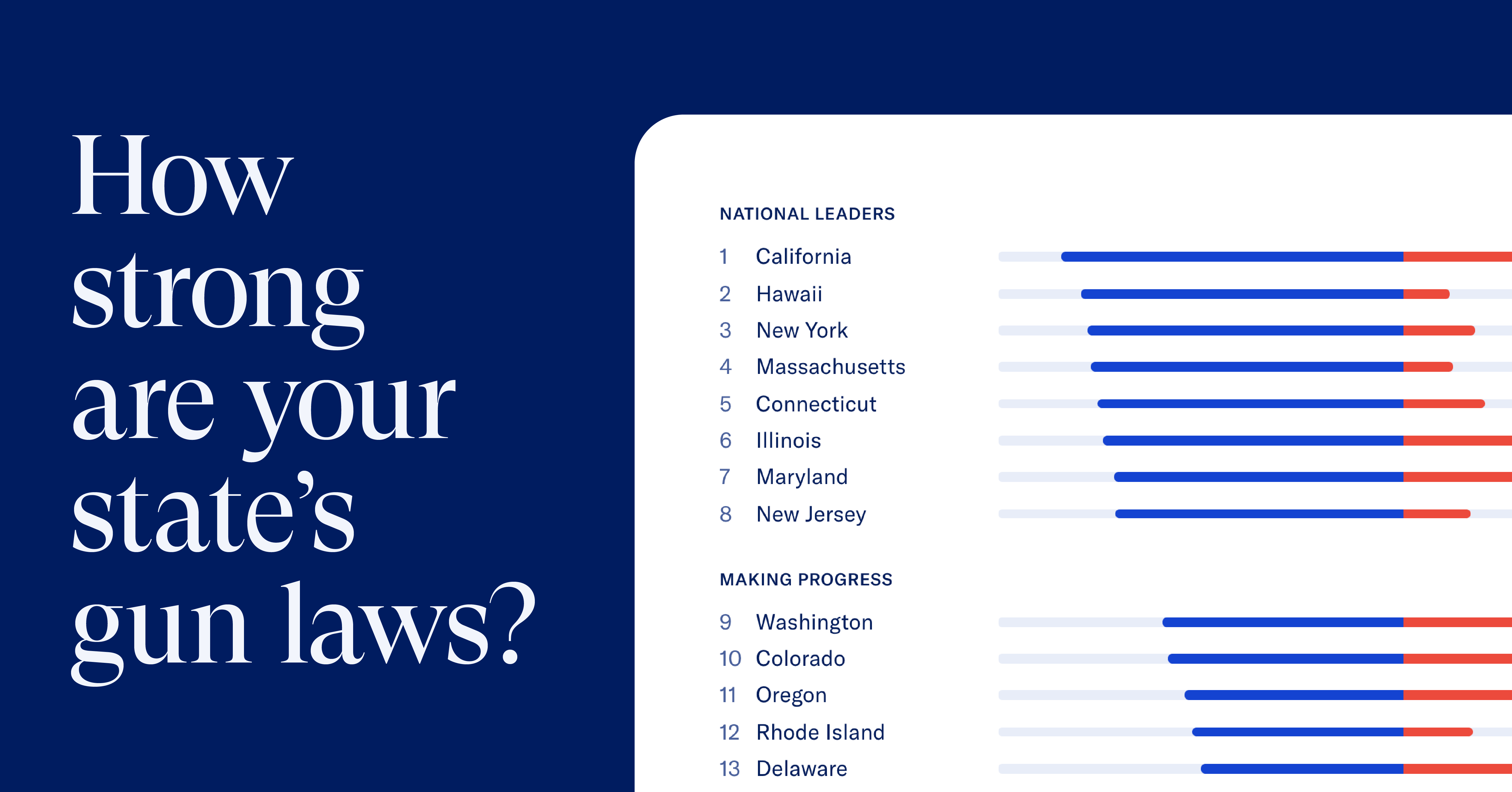
California enforces some of the strictest gun laws in the U. S. All sales require background checks. Concealed carry needs a local permit. Open carry is mostly banned in cities. Ghost guns and assault weapons face tight restrictions. Red flag laws allow temporary firearm removal for safety concerns.
Can You Legally Carry A Gun In Your Car In California?
You can carry an unloaded firearm in your car if it is locked in a container or the glove compartment. Carrying a loaded gun in a vehicle without a concealed carry permit is illegal. Always follow California’s strict firearm transportation laws to avoid legal issues.
What Are The Basic Gun Purchase Rules In California?
All gun sales and transfers need a licensed dealer and background check. Private sales must also follow these rules. This helps prevent guns from reaching prohibited people.
Conclusion
California’s gun laws are strict and detailed. They require background checks for all firearm sales. Carrying a concealed gun needs a special license. Open carry is mostly banned in cities. Ghost guns must have serial numbers and checks. Red flag laws allow temporary gun removal for safety.
Always check official sources for updates. Knowing these rules helps keep everyone safe. Stay informed and follow the law carefully.

Ismail Hossain is the founder of Law Advised. He is an Divorce, Separation, marriage lawyer. Follow him.