Snow Removal Laws in Massachusetts: What Homeowners Must Know
When winter hits Massachusetts, snow can quickly turn from a beautiful sight into a serious hassle. But do you know the rules about clearing snow from your property?
Understanding snow removal laws in Massachusetts isn’t just about following the law—it’s about keeping yourself, your neighbors, and your community safe. If you want to avoid fines, prevent accidents, and know exactly what’s expected of you this winter, keep reading.
This guide will make snow removal simple and clear, so you can tackle winter with confidence.
Credit: www.dfmurphy.com
Massachusetts Snow Removal Rules
Massachusetts has clear snow removal rules to keep roads and sidewalks safe during winter. These rules help prevent accidents and ensure easy access for everyone. Property owners must follow specific guidelines to remove snow quickly and properly.
Knowing these rules helps avoid fines and keeps your neighborhood safe. Each city or town may have slight differences, but state laws set the basic standards everyone must follow.
Massachusetts Sidewalk Snow Removal Law
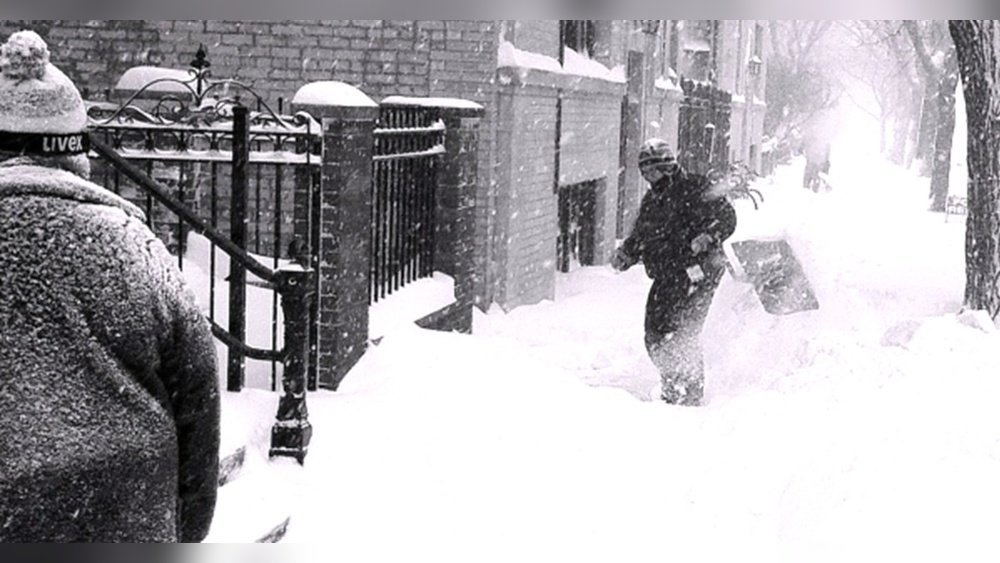
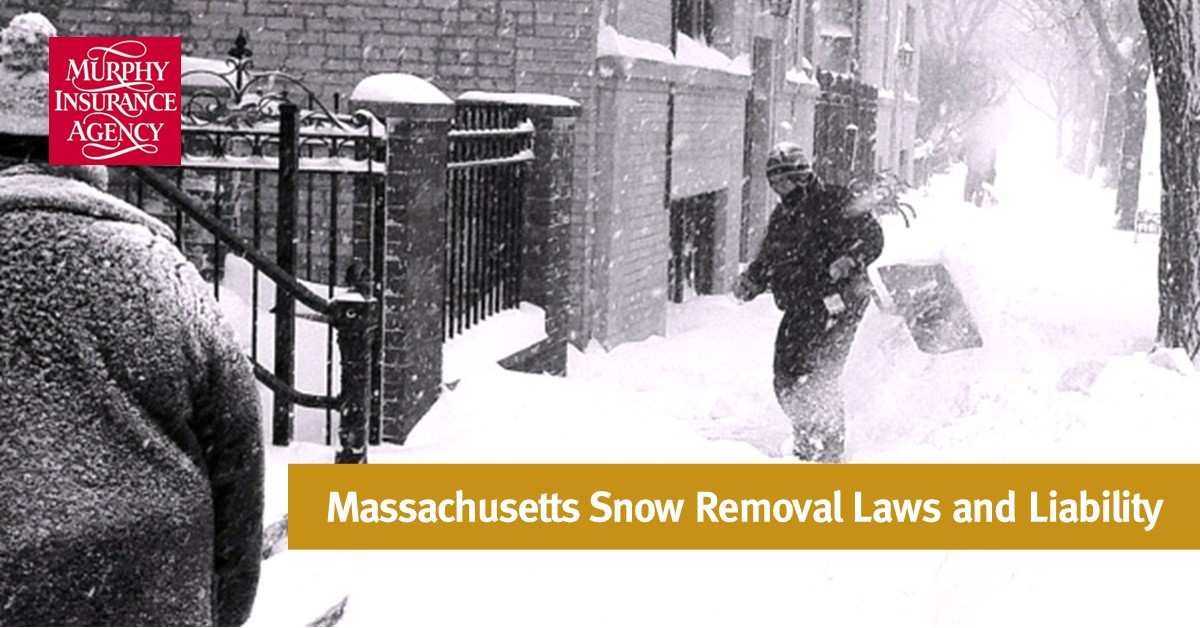
Property owners must clear snow from sidewalks next to their property. The snow should be removed within a set time after the snow stops falling. Usually, this time is 24 hours but check local rules for exact timing.
Clearing sidewalks helps pedestrians walk safely without slipping. It also makes it easier for children and elderly people to get around.
Snow Plowing And Piling Restrictions
Plowing snow onto public roads or sidewalks is illegal. Piling snow in the street can block traffic and cause accidents. Property owners must keep roadways clear of snow and ice.
Some towns have rules about where to pile snow on private property. Following these rules avoids fines and keeps streets safe for drivers and walkers.
Responsibility For Snow Removal In Rental Properties
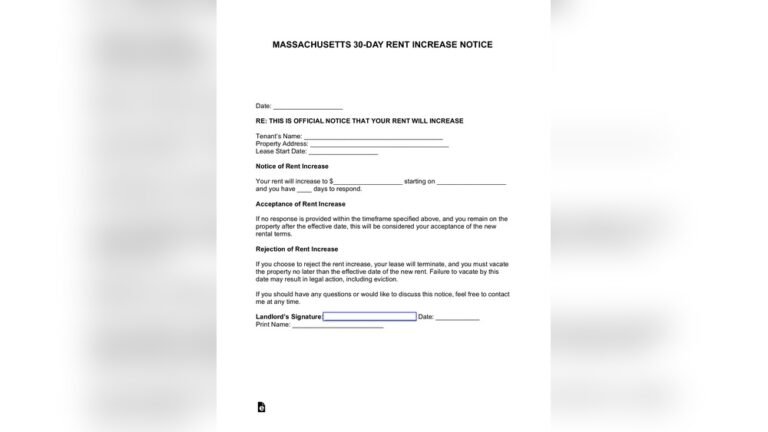
Landlords usually must clear snow from common areas like sidewalks and entrances. Tenants may be responsible for snow removal in some cases, depending on the lease.
Clear communication between landlords and tenants helps avoid confusion and ensures safety. Both parties should know their snow removal duties before winter starts.
Credit: eagletrustinsurance.com
Homeowner Responsibilities
Homeowners in Massachusetts have clear duties for snow removal. These duties ensure safety for everyone in the neighborhood. Knowing these responsibilities helps avoid fines and accidents. Snow and ice can cause slips and falls. The law expects homeowners to act quickly after a snowfall.
Clearing Sidewalks
Massachusetts law requires homeowners to clear sidewalks next to their property. Snow and ice must be removed within a set time after a storm. Usually, this is within 24 hours. Keeping sidewalks clear helps pedestrians walk safely. It also prevents liability if someone falls.
Preventing Ice Build-up
Removing snow is not enough. Homeowners must also address ice on sidewalks and driveways. Using salt or sand helps melt ice and adds grip. This reduces the risk of slipping. Avoid using harmful chemicals that can damage plants or concrete.
Snow Pile Placement
Where homeowners place their snow piles matters. Snow should not block streets or sidewalks. Piles must not block fire hydrants or mailboxes. Blocking these can create dangers for the community. Keep snow piles away from road edges to avoid accidents.
Responsibility For Rental Properties
Landlords must ensure their tenants follow snow removal rules. Some cities hold landlords responsible for clearing sidewalks. This duty helps protect visitors and neighbors. Regular checks can ensure safe walkways around rental homes.
Penalties For Noncompliance
Failing to follow snow removal laws in Massachusetts leads to penalties. These laws exist to keep sidewalks and roads safe for everyone. Property owners must clear snow and ice promptly. Ignoring these rules can cause fines and other troubles.
Fines For Not Clearing Snow
Massachusetts sets fines for property owners who do not remove snow. Cities and towns decide specific amounts. Fines often start around $50 but can increase. Repeat offenders may face higher fines. Timely snow removal avoids these penalties.
Liability For Injuries
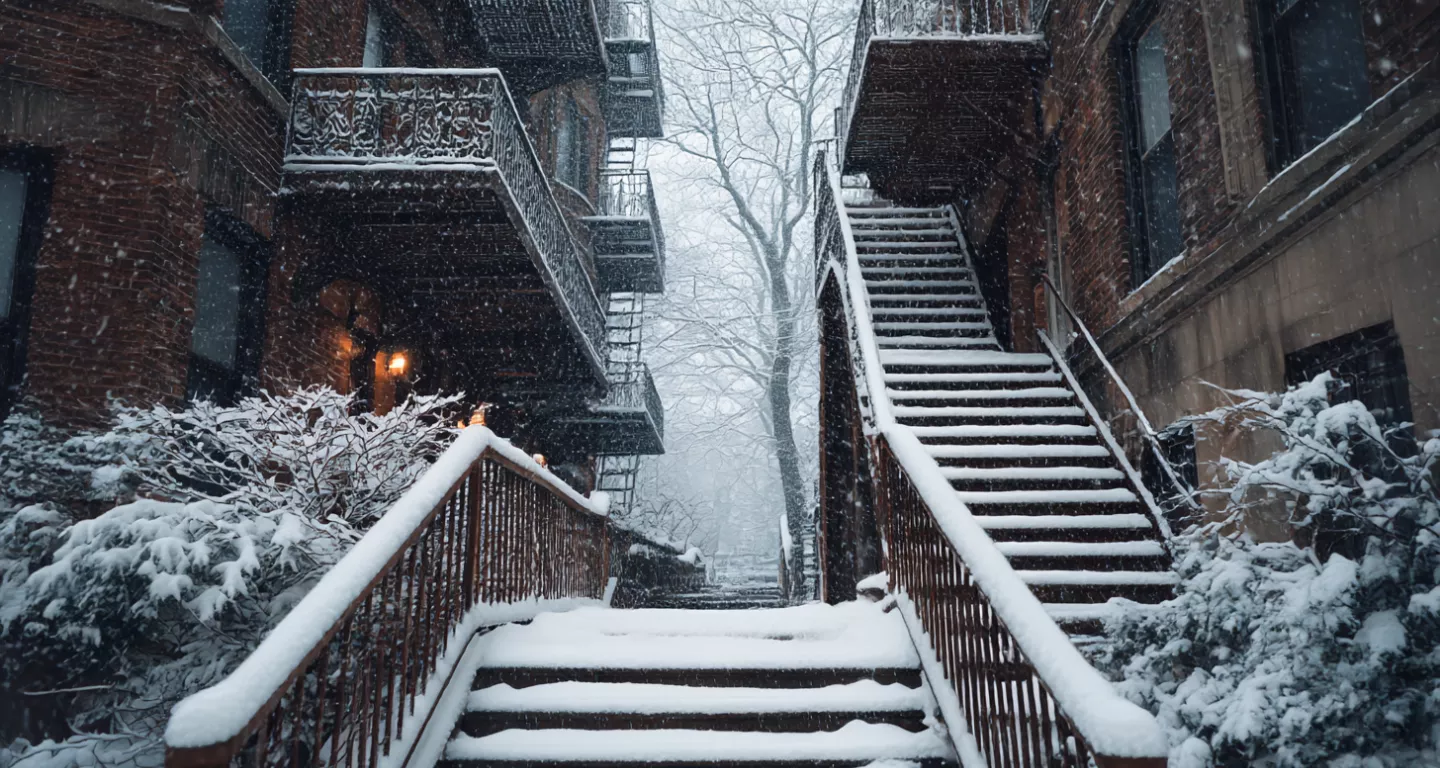
Property owners may be liable if someone slips on uncleared snow. Injured people can sue for damages. This can lead to costly legal fees and compensation. Clearing snow quickly reduces injury risks and liability.
Municipal Snow Removal Costs
If owners do not clear sidewalks, the city may do it. The city charges the property owner for snow removal services. These charges can be higher than fines. Paying for city removal adds extra costs to the owner.
Impact On Property Value
Poor snow removal can hurt property reputation. Neighbors and visitors notice neglected walkways. This may lower property value over time. Maintaining clear sidewalks helps protect property worth.
Credit: www.brandonjbroderick.com
Hiring Professional Services
Hiring professional snow removal services in Massachusetts helps you follow local laws and stay safe. Professionals know the rules about clearing snow from sidewalks and driveways. They remove snow quickly and reduce the risk of accidents on your property.
Choosing a professional service saves time and effort during heavy snowstorms. They have the right tools and experience to handle large amounts of snow. This ensures your property is clear and compliant with Massachusetts snow removal laws.
Benefits Of Hiring Professional Snow Removal Services
Professionals provide fast and efficient snow clearing. They prevent ice buildup, which can cause slips and falls. Their work helps avoid fines for not clearing snow on time. You get peace of mind knowing the job is done right.
Understanding Massachusetts Snow Removal Regulations
Massachusetts law requires snow to be removed from sidewalks within a set time. Professionals understand these deadlines and local rules. They ensure your property meets legal requirements to avoid penalties.
Choosing The Right Snow Removal Company
Look for companies with good reviews and proper insurance. Check if they offer services for your specific needs. Ask about their response time and equipment used. Reliable companies keep your property safe and legal.
Safety Tips For Snow Removal
Snow removal in Massachusetts is essential for safety and legal reasons. Removing snow properly helps prevent accidents and injuries. It also keeps walkways and driveways clear for everyone.
Follow these safety tips to make snow removal easier and safer. Protect yourself and others while clearing snow.
Dress In Warm, Layered Clothing
Wear several layers to stay warm. Use gloves, a hat, and waterproof boots. Dress in bright colors to be visible to drivers.
Use The Right Tools
Choose a sturdy shovel or snow blower. Avoid tools that are too heavy or hard to handle. Keep tools in good condition to prevent injuries.
Take Frequent Breaks
Snow removal can be tiring. Stop often to rest and drink water. Avoid overexertion to reduce the risk of heart problems.
Push Snow, Don’t Lift
Push snow to the side instead of lifting it. If you must lift, bend your knees and keep your back straight. Lift small amounts to avoid strain.
Clear Snow Early And Often
Remove snow soon after it falls. Clearing small amounts is easier than heavy snow. Keep paths and steps clear to prevent slips.
Be Careful Of Ice
Check for ice under the snow. Spread salt or sand to improve traction. Walk slowly and use handrails when available.
Frequently Asked Questions
What Are The Massachusetts Snow Removal Laws For Property Owners?
Property owners must clear snow and ice from sidewalks within 24 hours after a storm. Failure to do so can result in fines or penalties. This helps keep walkways safe for pedestrians.
Who Is Responsible For Clearing Snow On Public Sidewalks?
In Massachusetts, the property owner next to the sidewalk is responsible for clearing snow. This rule applies to both residential and commercial properties. It ensures sidewalks stay clear for public use.
Can Cities Or Towns Enforce Snow Removal Regulations In Massachusetts?
Yes, local governments can enforce snow removal laws and impose fines for non-compliance. Each city or town may have specific rules and deadlines. This helps maintain public safety during winter.
What Penalties Exist For Not Removing Snow On Sidewalks Promptly?
Penalties can include fines ranging from $25 to $100 or more, depending on the city. Repeat offenders may face higher fines or legal action. Prompt snow removal avoids these penalties and keeps areas safe.
Conclusion
Knowing Massachusetts snow removal laws helps keep you safe and legal. Clear sidewalks quickly to avoid fines or accidents. Property owners must follow local rules for snow and ice removal. Stay aware of deadlines and requirements each winter season. Simple steps prevent trouble and protect your neighbors.
Snow can be tough, but rules make it fair. Keep your property clear to help your community stay safe. Remember, timely snow removal benefits everyone during harsh weather.

Ismail Hossain is the founder of Law Advised. He is an Divorce, Separation, marriage lawyer. Follow him.