What are the Gun Laws in Massachusetts: Essential Guide for 2026
If you live in Massachusetts or are planning to visit, understanding the state’s gun laws is crucial for your safety and peace of mind. Gun regulations here can be quite different from other states, and not knowing the rules could lead to serious trouble.
Whether you own a firearm or are simply curious about the laws, this guide will help you navigate what’s legal and what’s not. Keep reading to learn how Massachusetts’ gun laws affect you and what you need to do to stay on the right side of the law.
Massachusetts Gun Licensing
Massachusetts has strict rules for gun licensing. These laws regulate who can own and carry firearms. The state requires permits for most gun owners. Understanding these permits helps you follow the law correctly.
Types Of Permits
Massachusetts offers two main types of gun permits. The Firearm Identification Card (FID) allows you to own non-large-capacity rifles and shotguns. The License to Carry (LTC) lets you own handguns and large-capacity firearms. Each permit has different rules and uses.
Application Process
To get a gun permit, you must apply through your local police department. Fill out the application form carefully. Submit fingerprints and pass a background check. The police will review your application and interview you. The process usually takes about 40 days.
Eligibility Requirements
Applicants must meet certain rules to get a permit. You must be at least 21 years old for an LTC. No serious criminal record is allowed. You must prove you are a Massachusetts resident. Applicants cannot have a history of drug or alcohol abuse. All applicants must complete a gun safety course.

Credit: www.usconcealedcarry.com
Firearm Ownership Rules
Massachusetts has specific rules for owning firearms. These laws help keep the community safe. Knowing these rules is important for all gun owners in the state.
Registration Requirements
All firearms must be registered with the state. This includes handguns and long guns. Owners need to submit an application and pay a fee. Registration helps law enforcement track guns if needed. It is illegal to own a gun without registering it first.
Prohibited Firearms
Certain guns are banned in Massachusetts. These include automatic weapons and large-capacity magazines. Some assault-style rifles are also illegal. The state sets strict limits to reduce gun violence. Owning these banned firearms can lead to heavy fines or jail time.
Storage Regulations
Gun owners must store firearms safely. Guns should be kept unloaded and locked. Ammunition must be stored separately. These rules aim to prevent accidents and theft. Proper storage is essential, especially in homes with children.
Carry Laws And Restrictions
Massachusetts has specific rules about carrying guns in public. These rules protect people and keep communities safe. Knowing the laws helps you stay out of trouble. It also helps you understand your rights and limits.
Open Carry Policies
Open carry means carrying a gun where others can see it. Massachusetts generally does not allow open carry of handguns. You can carry rifles or shotguns openly only in some places. Police may stop you if they see a gun openly carried. Open carry is mostly banned in cities and towns.
Concealed Carry Permits
Carrying a hidden gun needs a special permit in Massachusetts. The state calls it a License to Carry (LTC) or a Firearm Identification (FID) card. You must apply through your local police department. They check your background and reasons for carrying. The process can take several weeks. The permit lets you carry a concealed handgun legally.
Places Off-limits For Carrying
Some places do not allow guns at all. Schools, government buildings, and courthouses ban guns. Bars and restaurants that serve alcohol also forbid guns. Private property owners can say no guns on their land. Sports arenas and public events often have gun restrictions. Always check local rules before carrying your gun.
Background Checks And Transfers
Massachusetts has strict rules on background checks and gun transfers. These laws help keep firearms away from people who should not have them. The state requires checks for almost all gun sales and transfers. This process helps ensure public safety and reduce illegal gun use.
Private Sales
Private gun sales in Massachusetts need a background check. Sellers must use a licensed dealer to run the check. No gun can change hands without this step. This rule applies to all private gun owners.
Dealer Requirements
Licensed dealers must conduct background checks on buyers. They verify the buyer’s eligibility before the sale. Dealers must keep records of all sales. This helps track firearms and prevent illegal transactions.
Waiting Periods
Massachusetts enforces a waiting period before gun delivery. Buyers must wait at least 7 days after the background check. This delay allows authorities to complete the check. The waiting period applies to all gun purchases.
Recent Changes For 2026
Massachusetts has introduced new gun laws for 2026. These changes aim to improve public safety and update existing regulations. They affect many aspects of gun ownership and control. Understanding these updates is crucial for all residents and gun owners in the state.
New Legislation
The state passed several laws that take effect in 2026. One key law requires stricter background checks for all gun buyers. Another law limits the number of guns a person can buy within a month. The state also introduced new rules for safe storage of firearms. These laws focus on reducing gun violence and accidents.
Impact On Gun Owners
Gun owners must follow new rules to stay legal. They need to complete updated training courses before buying certain guns. Owners must register their firearms under new guidelines. Those who fail to comply face fines or loss of gun rights. The laws encourage responsible ownership and safety.
Enforcement Updates
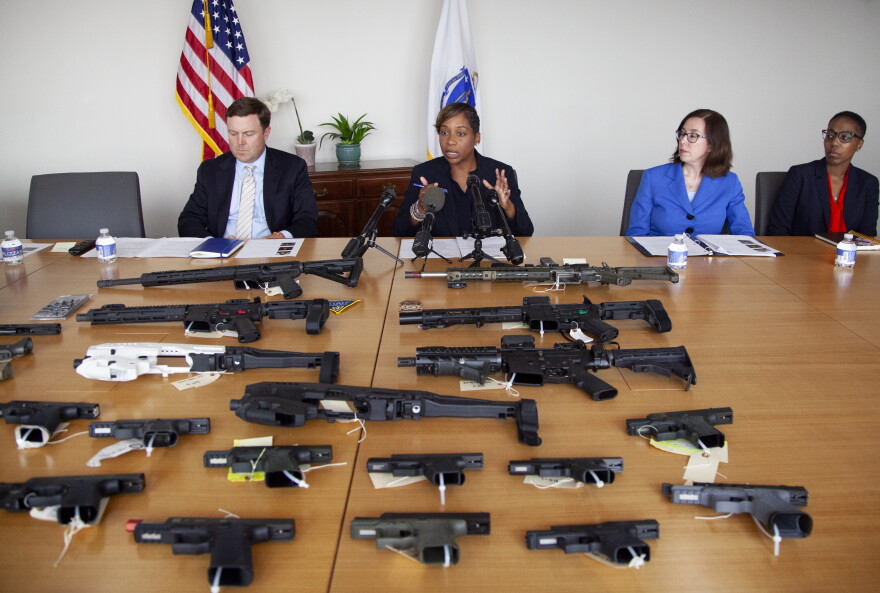
Law enforcement will receive more tools to enforce gun laws. Police can conduct more thorough checks on gun sellers and buyers. New reporting requirements help track illegal gun sales. Authorities also have increased power to remove guns from dangerous individuals. These updates aim to strengthen enforcement and reduce gun-related crimes.
Credit: www.nepm.org

Credit: mwpetersonlaw.com
Frequently Asked Questions
What Are The Basic Gun Ownership Requirements In Massachusetts?
To own a gun in Massachusetts, you must be at least 21 years old and pass a background check. You also need a Firearm Identification Card (FID) or a License to Carry (LTC).
Can I Carry A Concealed Weapon Legally In Massachusetts?
Yes, but only with a License to Carry (LTC). The license requires a thorough background check and approval from local authorities.
Are There Restrictions On Buying Firearms In Massachusetts?
Yes, buyers must go through a background check and wait for approval. Certain guns, like assault weapons, are banned.
What Are The Rules For Storing Firearms Safely In Massachusetts?
Firearms must be stored securely to prevent access by children or unauthorized users. Using a locked container or gun safe is recommended by law.
Conclusion
Massachusetts gun laws focus on safety and responsibility. Owning a firearm requires permits and background checks. Certain weapons and magazines have restrictions. Knowing these rules helps avoid legal trouble. Stay updated, as laws can change over time. Respect the rules to protect yourself and others.
Understanding local gun laws makes a safer community. Always follow the guidelines when handling firearms. Safety matters most for all residents and visitors.

Ismail Hossain is the founder of Law Advised. He is an Divorce, Separation, marriage lawyer. Follow him.