Rent Increase Laws in Massachusetts: What Tenants Must Know Now
Are you worried about your rent going up soon? Understanding rent increase laws in Massachusetts can save you from unexpected hikes and stress.
Whether you’re a tenant or a landlord, knowing your rights and responsibilities is key to staying in control. This article will break down the rules in simple terms, so you know exactly what to expect and how to protect yourself.
Keep reading to get the facts that could make a big difference for your home and your budget.
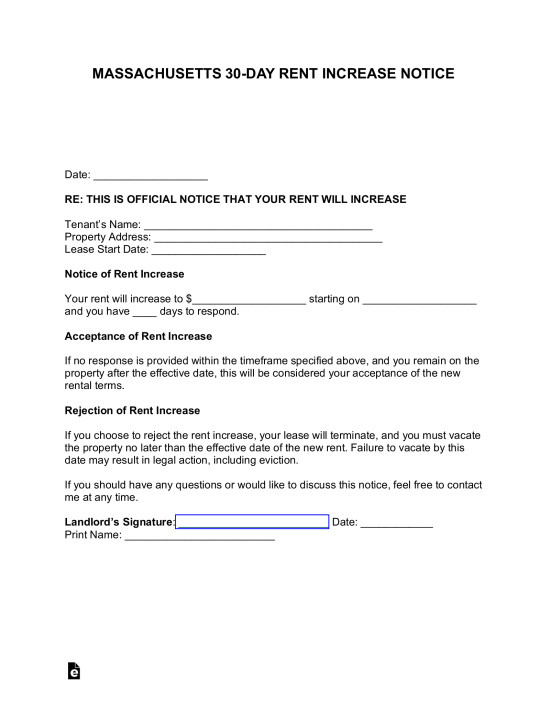
Credit: eforms.com
Current Rent Increase Limits
Massachusetts has specific rules about how much landlords can raise rent. These rules protect tenants from sudden, large increases. They also help keep housing costs more stable.
The current rent increase limits depend on several factors. These include the type of property and local regulations. Understanding these limits is important for both tenants and landlords.
Massachusetts Rent Control Laws
Massachusetts does not have statewide rent control. This means no fixed limit applies everywhere. But local cities can make their own rules. Some cities have stricter limits than others.
Annual Rent Increase Caps
In some areas, rent increases cannot exceed a certain percentage yearly. This cap often ties to inflation or a set rate. It usually ranges from 5% to 10%. Landlords must follow these limits strictly.
Notice Requirements For Rent Increases
Landlords must give tenants proper notice before raising rent. The standard notice is 30 days for month-to-month leases. Longer leases may require 60 days’ notice. This gives tenants time to prepare or move.
Exceptions To Rent Increase Limits
Some rent increases are allowed beyond limits. Landlords can raise rent more after major repairs. They must show proof of added costs. Also, new tenants may face different rent terms.
Notice Requirements For Landlords
Landlords in Massachusetts must follow specific rules before raising rent. These rules protect tenants by giving them enough time to plan for changes. The notice requirements vary based on how much the rent will increase and the length of the lease.
Understanding these notice rules helps landlords avoid legal problems. It also helps tenants know their rights and prepare for rent changes.
Notice Period For Rent Increases
Landlords must give tenants written notice before increasing rent. For tenants who rent month-to-month, landlords must provide at least 30 days’ notice. This notice must come before the next rent due date.
For leases longer than one month, landlords must give at least 30 days’ notice before the rent increase takes effect. This rule applies unless the lease states a different notice period.
How Notice Must Be Delivered
The rent increase notice must be in writing. Landlords can deliver it by mail or hand it to the tenant personally. Email or text message is not enough unless the tenant agrees to this method in writing.
The notice should clearly state the new rent amount and the date it starts. This clarity helps prevent confusion or disputes.
Exceptions To Notice Requirements
Some situations may change the notice rules. For example, if the tenant agrees to a rent increase in a new lease, no extra notice is needed. Also, rent control laws in some cities may set different limits and notice times.
Landlords should check local laws to ensure they follow all rules. Proper notice keeps the landlord-tenant relationship smooth and legal.
Tenant Rights During Rent Hikes
Rent increases can be stressful for tenants in Massachusetts. Knowing your rights helps you handle rent hikes better. The law protects tenants from sudden or unfair rent raises. Understanding these rights gives you confidence during lease renewals.
Tenants should receive proper notice before any rent increase. The state requires landlords to inform tenants in writing. This notice period allows time to prepare or negotiate.
Notice Requirements For Rent Increases
Landlords must give tenants written notice at least 30 days before rent changes. This applies to monthly leases. For leases longer than one year, the notice period may vary. The notice must clearly state the new rent amount and the date it starts.
Limits On Frequency Of Rent Increases
Massachusetts law limits how often landlords can raise rent. Rent cannot increase more than once every 12 months. This rule protects tenants from frequent rent hikes. It ensures stability and predictability in housing costs.
Tenant Options After Receiving A Rent Increase
Tenants can accept the new rent or negotiate with the landlord. They can also choose to move out before the increase takes effect. The law does not require tenants to stay if the rent is too high. Giving proper notice to end the lease is important.
Protection Against Retaliatory Rent Hikes
Landlords cannot raise rent in retaliation for tenant complaints. Tenants who report issues like repairs or unsafe conditions are protected. Retaliatory rent increases are illegal under Massachusetts law. Tenants can seek legal help if this happens.
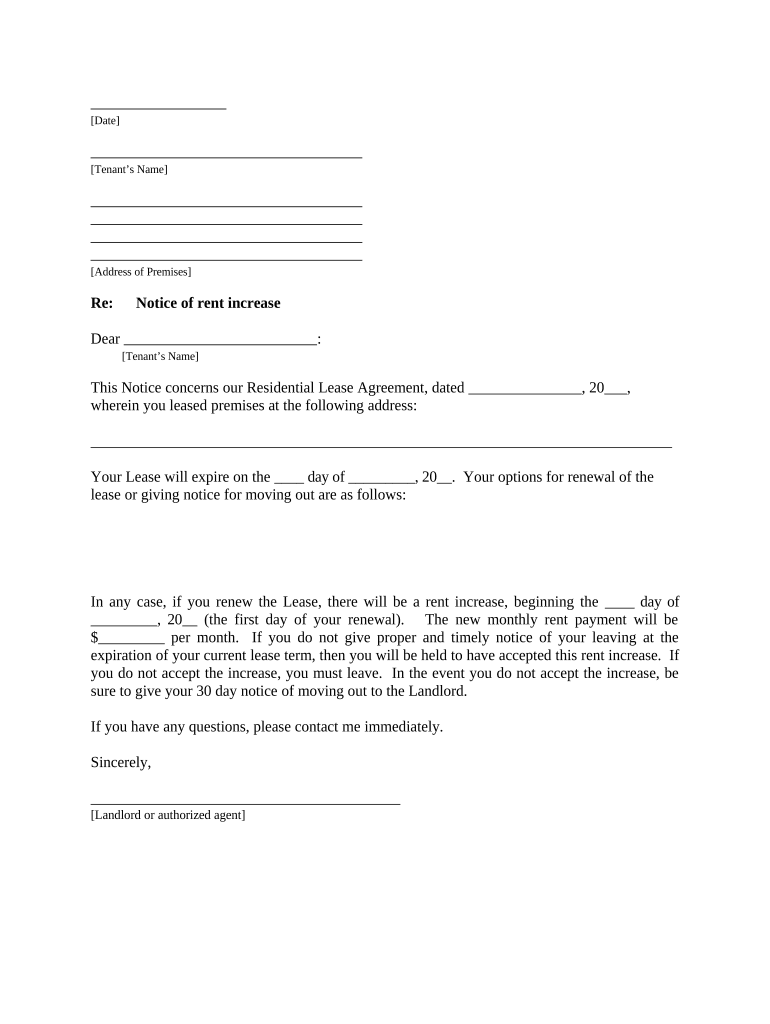
Credit: www.pdffiller.com
Exceptions To Rent Increase Rules
Exceptions to rent increase rules in Massachusetts protect some landlords and tenants. These rules do not apply in every situation. Understanding exceptions helps both parties know their rights. It prevents confusion and disputes about rent hikes.
Some laws allow landlords to raise rent beyond limits in special cases. Others stop rent increases for certain tenants or properties. These exceptions balance landlord needs and tenant protections.
Owner-Occupied Two-Unit PropertiesLandlords living in one unit of a two-family home have more freedom. They can raise rent without limits on the other unit. This is because state rent control laws often exclude these properties. It supports small landlords who share their home.
Subsidized Housing and Public AssistanceProperties with government subsidies follow different rules. Rent increases must follow specific program guidelines. Tenants receiving housing assistance may see limits on rent hikes. This keeps housing affordable for low-income families.
New Construction and Exempt PropertiesNew buildings often have no rent increase limits for a period. This encourages developers to build more housing. Also, some properties like single-family homes are exempt from rent control. Landlords can raise rent freely in these cases.
Capital Improvements and RepairsLandlords can raise rent if they make major upgrades. This includes new heating, plumbing, or other essential repairs. They must notify tenants properly and follow state rules. This exception helps maintain quality housing.
How To Contest An Unfair Increase
Facing a rent increase can be stressful. Some increases may not follow Massachusetts laws. Tenants have the right to challenge unfair rent hikes. Understanding how to contest an increase helps protect your rights.
Start by knowing the legal limits and rules. Keep all communication with your landlord in writing. Document every detail about the rent increase. This information is important if you need to dispute it.
How To Request A Rent Increase Explanation
Ask your landlord for a clear reason behind the rent hike. They must provide details about costs or improvements. This request can be made in writing. A landlord who refuses may be breaking the law.
How To File A Complaint With Local Authorities
Contact your local housing board or city office. Submit a formal complaint if the rent increase seems illegal. Provide all evidence and written communication. Authorities can review and may stop unfair increases.
How To Seek Legal Help
Consult a tenant lawyer for advice. Many offer free or low-cost consultations. Legal experts understand Massachusetts rent laws well. They can guide you through the dispute process.
How To Negotiate With Your Landlord
Try to discuss the rent increase calmly. Suggest a smaller or delayed increase. Propose a payment plan if needed. Written agreements help avoid future problems.

Credit: www.doorloop.com
Frequently Asked Questions
What Are The Legal Limits On Rent Increases In Massachusetts?
Massachusetts does not have a statewide rent control law. Landlords can raise rent freely but must give proper notice. For most leases, 30 days’ written notice is required.
How Much Notice Must Landlords Give Before Raising Rent?
Landlords must give tenants at least 30 days’ written notice before increasing rent. This rule applies to most rental agreements in Massachusetts. The notice period helps tenants plan ahead.
Can Landlords Raise Rent During A Lease Term In Massachusetts?
Rent increases during a fixed-term lease are usually not allowed. Landlords must wait until the lease ends to raise rent. Tenants should check their lease terms carefully.
Are There Rent Increase Protections For Elderly Or Disabled Tenants?
Massachusetts does not have special rent increase limits for elderly or disabled tenants. All tenants follow the same rules for rent hikes. Local programs may offer additional help.
Conclusion
Rent increase laws in Massachusetts protect tenants from sudden hikes. Landlords must follow clear rules before raising rent. Tenants should know their rights and stay informed. Understanding these laws helps avoid surprises and disputes. Both renters and landlords benefit from fair, legal rent changes.
Staying updated on local laws ensures smooth renting experiences. Keep communication open and seek advice if needed. This knowledge supports a balanced rental market for everyone.

Ismail Hossain is the founder of Law Advised. He is an Divorce, Separation, marriage lawyer. Follow him.