Window Tint Laws in North Carolina: What Drivers Must Know Today
Are you thinking about tinting your car windows in North Carolina? Before you get started, it’s important to know the laws that affect your vehicle.
Window tint laws can be tricky, and breaking them could lead to fines or even problems with your insurance. This article will help you understand what’s allowed, what’s not, and how to stay safe and legal on the road. Keep reading to make sure your windows are tinted the right way—so you can enjoy the benefits without any hassle.
Credit: www.tinting-laws.com
North Carolina Tinting Basics
North Carolina has specific rules for car window tinting. These rules help keep drivers and passengers safe. They also make sure police can see inside vehicles if needed.
Understanding these basics helps avoid fines and keeps your car legal on the road. Each type of window has different tint limits. Knowing these limits is important before tinting your windows.
Front Side Windows
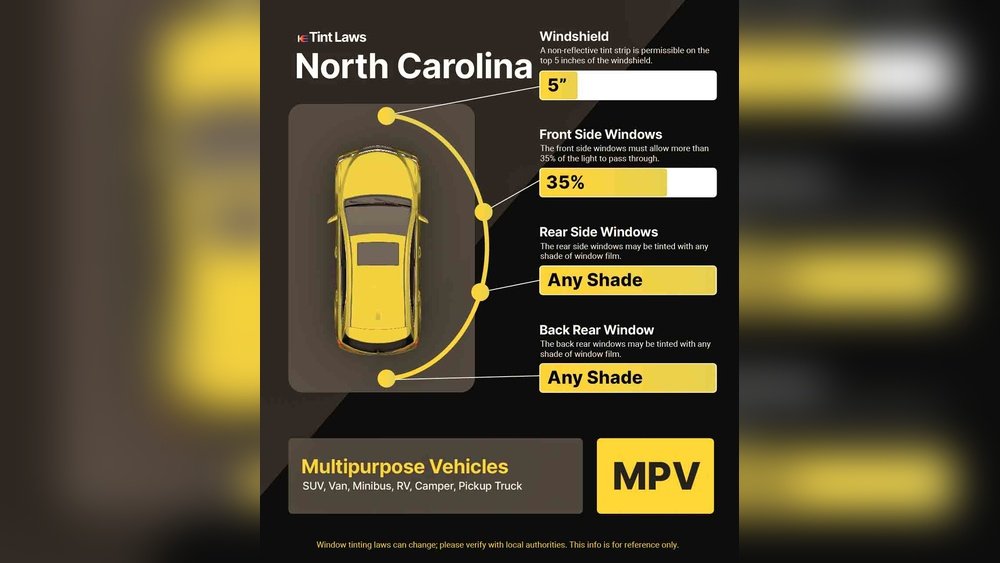
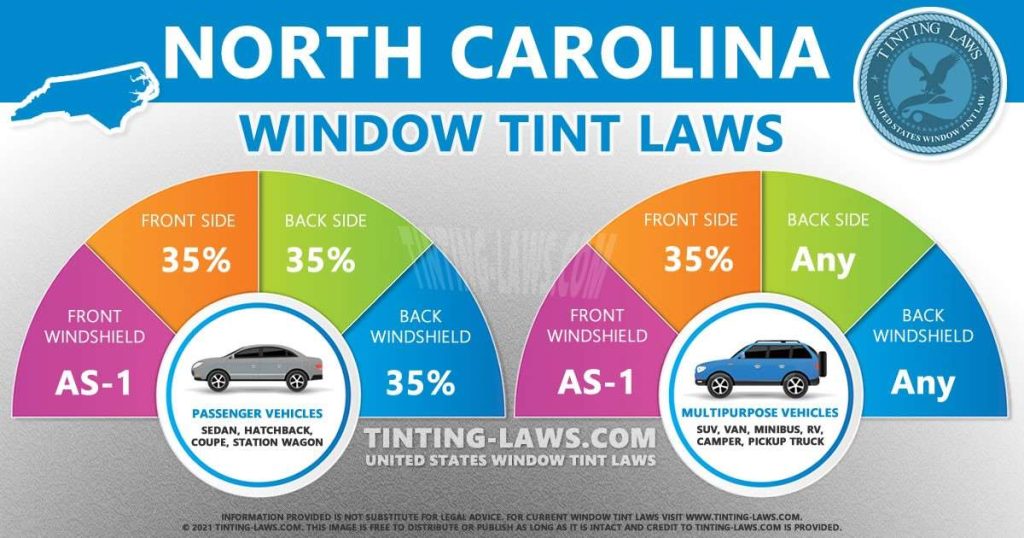
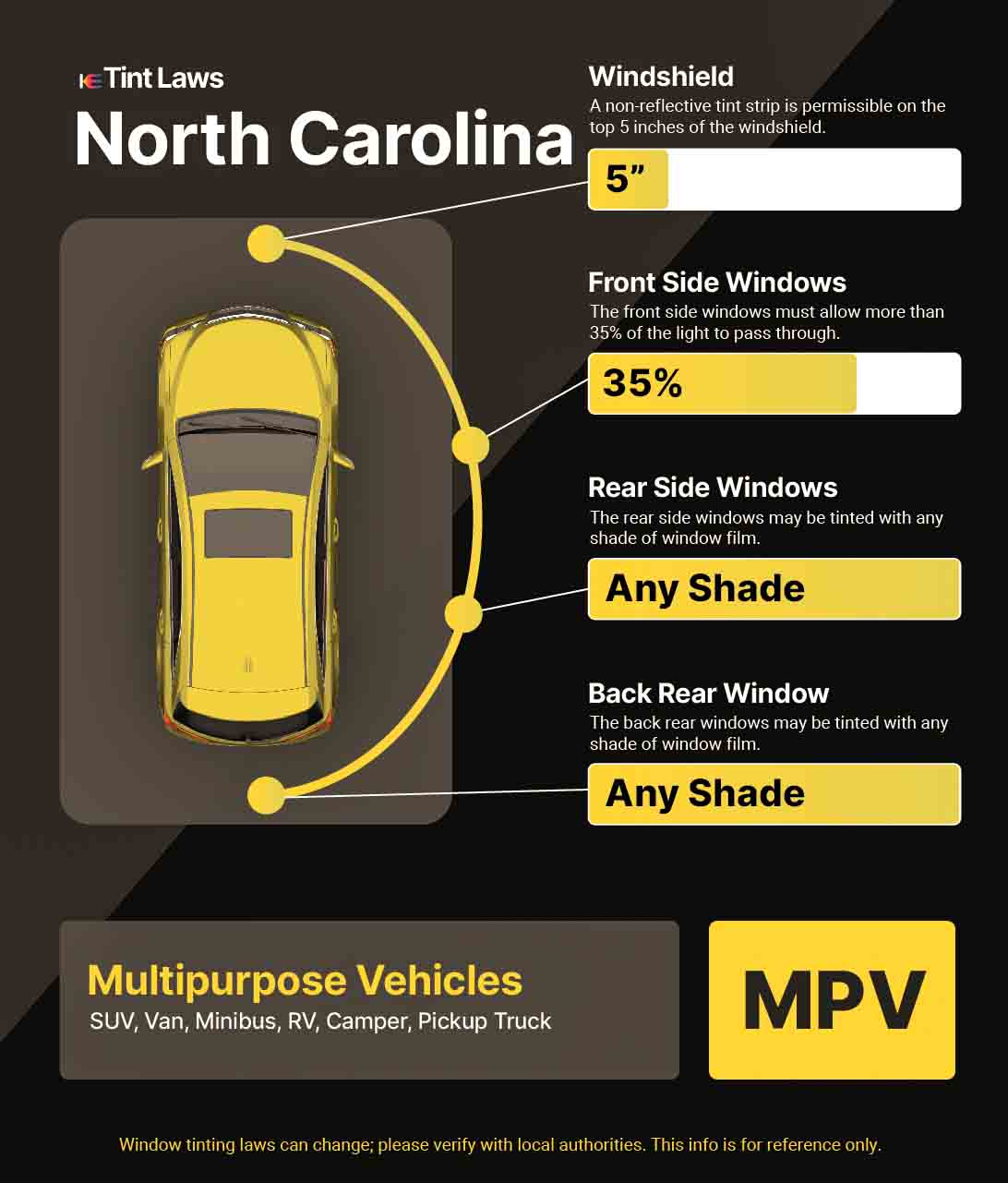
North Carolina law requires at least 35% visible light transmission (VLT) on front side windows. This means the tint must allow 35% or more of outside light in. Darker tints on front side windows are not allowed.
Back Side Windows
The tint on back side windows can be darker than front windows. North Carolina allows any darkness on back side windows. This offers more privacy for passengers in the back seat.
Rear Window
Similar to back side windows, the rear window tint has no VLT limit. Dark tints are allowed on rear windows. Cars with rear window tint must have side mirrors on both sides.
Reflective And Colored Tints
Reflective tints are not allowed on any windows. Colored tints, like red or amber, are also banned. Only shades of gray or black are permitted for tinting.
Credit: kepler-dealer.com
Legal Tint Levels By Window
North Carolina has specific rules for window tint levels on vehicles. These rules help keep drivers and passengers safe. Different windows have different tint limits. Knowing these limits helps you avoid fines and keep your car legal.
Front Windshield Tint
The front windshield can only have a strip of tint. This strip must be at the top. It should not cover more than 5 inches. The tint cannot block the driver’s view.
Front Side Windows Tint
The front side windows must let in at least 35% of light. This means the tint cannot be too dark. Police need to see inside for safety reasons.
Rear Side Windows Tint
The rear side windows can have darker tint. There is no minimum light transmission limit. You can choose a darker shade here.
Rear Window Tint
The rear window can also have any level of tint. If the vehicle has side mirrors, the rear window tint can be very dark. The mirrors help with visibility.
Medical Exemptions For Tinting
North Carolina has rules about how dark window tint can be on vehicles. These rules help keep drivers safe by making sure they can see well and others can see inside the car. Sometimes, people need darker tint for health reasons. The state allows medical exemptions for these cases.
Medical exemptions let people with certain health problems use darker window tint. This helps protect them from sunlight that can harm their skin or eyes. The law recognizes these needs and offers a way to apply for permission.
Who Qualifies For Medical Exemptions?
People with specific medical conditions may qualify. Conditions like lupus, skin cancer, or severe sun allergies often need protection from UV rays. Doctors must confirm the condition and explain why darker tint is needed.
How To Apply For A Medical Exemption
The process starts with a doctor’s note. This note should describe the medical need for darker tint. Next, vehicle owners submit the note to the North Carolina DMV. The DMV reviews the request and decides if the exemption applies.
Limits And Requirements For Medical Tints
The tint must still allow some light through. North Carolina sets a minimum visible light transmission (VLT) level, even for medical exemptions. The tint must not block too much light to keep safety standards in place.
Displaying Medical Exemption Documentation
Drivers must carry the medical exemption certificate in the vehicle. Law enforcement officers may ask to see it during a traffic stop. Having this document helps avoid fines or penalties for darker tint.
Consequences Of Illegal Tint
Illegal window tint can cause serious problems for drivers in North Carolina. It is important to follow the state’s tint laws. Breaking these rules can lead to fines and other penalties. Understanding the risks helps you avoid trouble on the road.
Fines And Tickets
North Carolina police can stop drivers with illegal tint. They may issue a ticket and fine the driver. Fines vary but can be costly. Repeat offenses can lead to higher fines.
Vehicle Inspection Issues
Cars with illegal tint often fail state inspections. This can prevent registration renewal. Drivers must remove or fix the tint before passing inspection. This causes delays and extra expenses.
Safety Concerns
Illegal tint reduces visibility, especially at night. It makes it harder for drivers to see pedestrians and other vehicles. This increases the risk of accidents. Law enforcement officers also find it harder to see inside the vehicle.
Possible Court Appearances
In some cases, drivers may need to appear in court. This adds stress and legal fees. Courts may order the removal of illegal tint. Ignoring court orders can lead to more severe penalties.
How To Test Your Tint Legally
Testing your window tint legally in North Carolina is important. It ensures your vehicle meets state rules. This helps avoid fines and keeps you safe on the road.
North Carolina has clear rules about how dark your tint can be. Knowing how to test your tint properly saves time and money. It also prevents trouble with law enforcement.
Using A Tint Meter
A tint meter is a small device that measures light passing through your window. You place it on the glass, and it shows the tint’s darkness level. Only a tint meter can give an exact reading.
Many auto shops have tint meters and offer testing services. You can buy a tint meter online if you want to test at home. Make sure the device is accurate and easy to use.
Checking Visible Light Transmission (vlt)
Visible Light Transmission (VLT) is the amount of light your window lets through. North Carolina law requires certain minimum VLT percentages for each window. For example, front side windows must allow at least 35% of light through.
Use the tint meter to check VLT. If the number is below the legal limit, your tint is too dark. Keep a record of your VLT results for reference.
Consulting A Professional
Visit a professional tint installer or inspection station. They can test your tint quickly and accurately. Professionals understand North Carolina tint laws well.
They can also suggest legal tint options if your current tint is not compliant. This helps you avoid penalties and stay safe.
Tips For Choosing Legal Tint
Choosing the right window tint is important to follow North Carolina laws. The rules protect drivers and keep roads safe. Understanding these rules helps avoid tickets and fines. It also ensures your car looks good and stays cool.
Here are some simple tips for picking legal window tint.
Check The Visible Light Transmission (vlt) Percentage
North Carolina law requires specific VLT levels for each window. VLT means how much light passes through the tint. Front side windows need at least 35% VLT. Rear windows have fewer restrictions, but it is good to check. Always buy tint with VLT numbers that meet the law.
Consider Reflectivity Limits
The law limits how shiny or reflective your tint can be. Reflective tints can blind other drivers. Choose a tint that is not too reflective. This keeps your car legal and safe for everyone on the road.
Know The Medical Exemptions
Some people can get special permission for darker tint. This is for medical reasons like light sensitivity. You must have a certificate from a doctor. Always carry this certificate if your tint is darker than usual.
Buy From Trusted Sellers
Buy window tint from stores that know North Carolina laws. They sell legal tint and give advice. Avoid cheap or unknown brands. They may not follow the rules and cause problems later.
Hire A Professional Installer
Experts install tint correctly and follow the law. Poor installation can cause bubbles or peeling. A professional job lasts longer and looks better. It also avoids fines for incorrect tinting.
Credit: www.cartintlaw.com
Frequently Asked Questions
What Are North Carolina’s Legal Window Tint Limits?
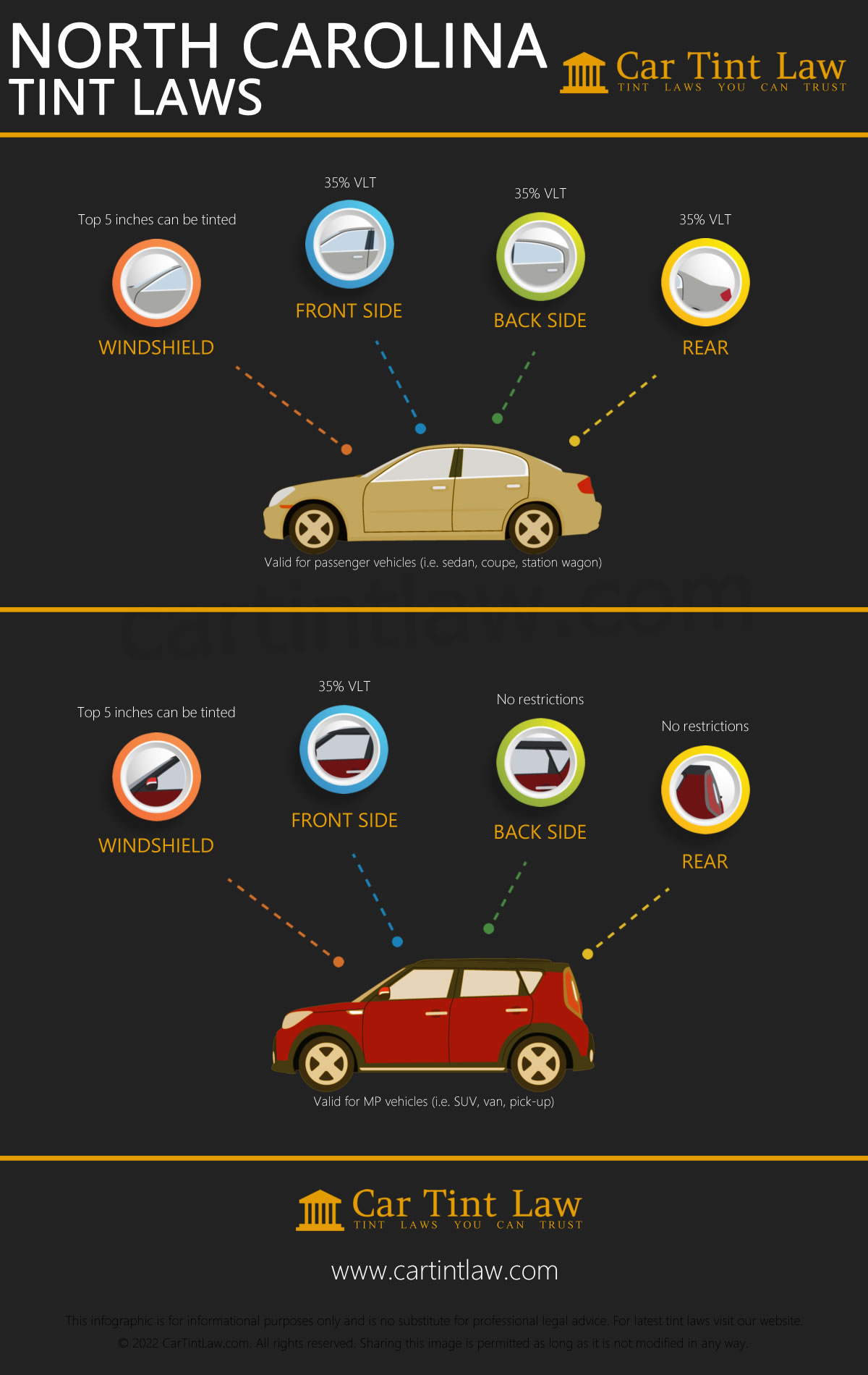
North Carolina allows 35% visible light transmission on front side windows. Rear side and back windows have no tint limit. Windshield tinting is only allowed on the top 5 inches.
Can I Get A Ticket For Illegal Window Tint In Nc?
Yes, police can issue tickets if your window tint is too dark or not compliant. Fines vary and may require you to remove the tint. Always check local laws before tinting.
Does North Carolina Require Medical Exemptions For Window Tint?
Yes, NC allows medical exemptions for darker tints. Drivers must have a doctor’s note and carry it in the vehicle. This helps those with light sensitivity or other conditions.
How Can I Check If My Tint Meets Nc Laws?
Use a tint meter to measure visible light transmission. Many auto shops or inspectors can test your tint for compliance. Keeping your tint legal avoids fines and safety issues.
Conclusion
Knowing North Carolina’s window tint laws helps you stay safe and legal. Tint rules vary by vehicle and window type. Stick to the allowed tint levels to avoid fines. Check your tint regularly to ensure it meets state laws. Clear understanding prevents trouble with law enforcement.
Drive confidently with the right window tint on your car. Keep these rules in mind for a smooth experience on the road. Stay informed, stay protected.

Ismail Hossain is the founder of Law Advised. He is an Divorce, Separation, marriage lawyer. Follow him.