New Concealed Carry Laws in North Carolina: What You Must Know
If you carry a concealed weapon in North Carolina, it’s important to know the latest changes in the law. These new concealed carry laws could directly affect your rights and responsibilities.
Understanding them now helps you stay safe and avoid legal trouble. Keep reading to get clear, simple answers about what’s new and how it impacts you. Don’t miss out on the key details that every responsible gun owner needs to know.
Key Changes In Concealed Carry Laws
The new concealed carry laws in North Carolina introduce several important changes. These updates affect how residents can carry firearms in public. Understanding the key changes helps you stay within the law. It also protects your rights and safety.
These changes cover permit requirements, where you can carry, and new rules for certain locations. Knowing these details can prevent legal trouble. It is important to review each change carefully.
Permit Application Process Updates
The state has modified the way people apply for concealed carry permits. Applicants now face shorter wait times. Background checks remain strict but faster. Some paperwork requirements have been simplified. This makes the process easier and quicker for most people.
Expanded Places Allowed For Concealed Carry
New rules allow carrying in more public areas. Certain government buildings now permit concealed carry. Some private properties also allow it if owners agree. Always check for posted signs before carrying. This change gives more freedom but still respects private property rights.
Restrictions In Sensitive Areas
Some places still ban concealed carry. Schools and federal buildings keep strict no-carry zones. New laws clarify these restrictions to avoid confusion. Carrying in these areas can lead to serious penalties. It is vital to know where you cannot carry.
Changes To Training Requirements
Training rules for concealed carry have been updated. New applicants must complete a state-approved course. The course covers safe handling and legal responsibilities. Existing permit holders may need refresher training soon. This ensures all carriers understand current laws and safety practices.
Eligibility Requirements Updates
The new concealed carry laws in North Carolina bring changes to who can apply for a permit. These updates clarify the rules and make them easier to follow. Understanding these changes is important for anyone interested in carrying a concealed weapon legally.
Below are the key points about the updated eligibility requirements. They focus on age, background checks, and other essential conditions.
Age Requirements
The minimum age to apply has been adjusted slightly. Applicants must be at least 21 years old. This change aligns with federal guidelines and state safety concerns. Younger applicants are no longer eligible to apply for a concealed carry permit.
Background Check Criteria
Background checks now include more detailed screenings. The state reviews criminal history more closely. Applicants with certain felony convictions are disqualified. Mental health records are also part of the review. The goal is to ensure permits go to responsible individuals only.
Residency And Citizenship
Applicants must prove North Carolina residency. Acceptable documents include a state ID or utility bills. Non-citizens can apply if they have legal residency. This update expands eligibility to some permanent residents. Proof of lawful presence in the U.S. is required.
Training And Safety Courses
Completing a firearms safety course is now mandatory. The course must be approved by the state. It covers safe handling and legal responsibilities. This requirement aims to improve public safety. Applicants must submit proof of course completion with their application.
Application Process Modifications
The new concealed carry laws in North Carolina have changed the application process. These modifications affect how applicants apply and what steps they must follow. Understanding these changes helps applicants avoid delays and mistakes.
Applicants now face clearer instructions and updated requirements. The state aims to make the process more straightforward and secure. These changes also impact the documents needed and the timeline for approval.
Enhanced Background Check Procedures
The state now requires a more thorough background check. This step ensures applicants meet all safety standards. It may take longer but improves overall security.
Updated Application Forms
Applicants must use new forms with added questions. These forms collect more detailed personal information. The goal is to reduce errors and speed up processing.
Fingerprinting Requirements
Fingerprinting is now mandatory for all applicants. It helps verify identity and detect criminal history. The process must be completed at approved locations.
Training And Certification Changes
Applicants must show proof of updated training courses. The courses focus on safety and legal use of firearms. Certification must be current before submitting the application.
Extended Processing Times
Processing times may be longer due to new checks. Applicants should plan ahead and apply early. The state provides updates during the review process.
Credit: www.wxii12.com
Restrictions And Prohibited Areas
The new concealed carry laws in North Carolina include specific restrictions and prohibited areas. Understanding these rules helps carry safely and legally. Knowing where you cannot carry is as important as knowing where you can.
These restrictions protect public safety and respect private property rights. Some locations have clear bans on carrying concealed weapons. Others require special permission or have unique rules.
Schools And Educational Facilities
Carrying concealed weapons is not allowed on school property. This includes K-12 schools and university campuses. The rule applies to all buildings and grounds. Exceptions exist for certain law enforcement officers.
Government Buildings
Most government buildings prohibit concealed carry. This includes courthouses, city halls, and state offices. Signs usually mark these areas clearly. Violating this rule can lead to fines or arrest.
Private Property Restrictions
Property owners can ban concealed weapons on their land. They must post visible signs for the ban to be enforceable. Without signs, carrying is generally allowed. Respecting these rules avoids legal trouble.
Bars And Alcohol-serving Establishments
Concealed carry is not allowed in bars where alcohol sales exceed 50% of income. This law aims to prevent risks related to alcohol and firearms. Small restaurants or stores may have different rules.
Places Of Worship
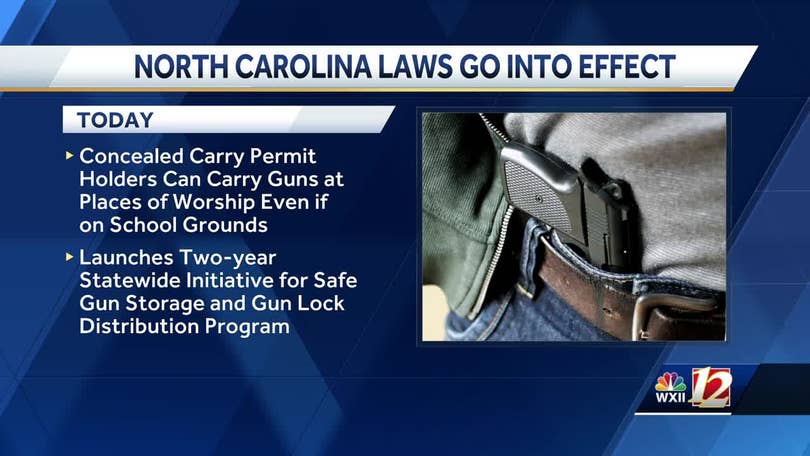
Some churches and religious places restrict concealed carry. This depends on the property owner’s decision. Posting signs is required to enforce the restriction. Always check before carrying inside these locations.
Penalties For Violations
North Carolina’s new concealed carry laws come with clear penalties for violations. These rules aim to keep everyone safe. Understanding the consequences helps you avoid trouble with the law.
Penalties differ depending on the violation. Some are minor, while others carry serious charges. It is important to know what each penalty means.
Penalties For Carrying Without A Permit
Carrying a concealed weapon without a permit is illegal. The penalty can be a misdemeanor. This may lead to fines or jail time. Repeat offenses result in harsher punishments. Always carry your permit when you have a concealed weapon.
Penalties For Carrying In Prohibited Places
Certain locations ban concealed carry. These include schools, government buildings, and private property with no-gun signs. Violating these rules can lead to criminal charges. Penalties may include fines and jail time. Respect these boundaries to avoid legal issues.
Penalties For Using A Concealed Weapon Illegally
Using a concealed weapon in a crime is a serious offense. It can turn a misdemeanor into a felony. Felony charges carry heavy fines and long prison sentences. The law treats misuse of firearms very strictly. Carry your weapon responsibly and legally.

Credit: www.usconcealedcarry.com
Tips For Responsible Concealed Carry
Carrying a concealed weapon carries serious responsibility. Knowing the new concealed carry laws in North Carolina helps you stay safe and legal.
Below are important tips for carrying your firearm responsibly. These tips protect you and those around you.
Understand Your Legal Rights And Limits
Learn the specific rules of North Carolina’s concealed carry laws. Know where you can and cannot carry your firearm. Understand the penalties for breaking these rules. Keep your permit with you at all times.
Practice Safe Handling And Storage
Always treat your gun as if it is loaded. Keep your finger off the trigger until ready to shoot. Store your firearm in a secure place when not carrying. Use a holster that covers the trigger guard fully.
Stay Aware Of Your Surroundings
Be alert wherever you carry your weapon. Notice exits, people around, and possible threats. Avoid risky places or situations that may escalate. Stay calm and think clearly in all moments.
Keep Your Training Up To Date
Regularly practice shooting and safety drills. Take refresher courses to improve your skills. Understand how to use your firearm under stress. Know how to respond in emergencies safely.
Respect Others’ Rights And Feelings
Do not display your weapon to scare others. Respect private property rules about firearms. Communicate calmly if asked about your permit. Promote responsible carrying by setting a good example.
Credit: www.carolinaattorneys.com
Frequently Asked Questions
What Are The Key Changes In North Carolina’s Concealed Carry Laws?
The new laws have updated permit rules and locations where carrying is allowed. Some restrictions have been eased, but safety remains a priority. Always check the latest legal text for details.
Who Can Legally Apply For A Concealed Carry Permit Now?
Applicants must be at least 21 years old and pass background checks. Certain criminal records still disqualify candidates. The process includes fingerprinting and a safety training course.
Where Is Concealed Carry Still Prohibited Under The New Laws?
Concealed carry is banned in schools, government buildings, and private properties with clear signs. Alcohol-serving venues also restrict carrying firearms. Respect these limits to avoid penalties.
How Do The New Laws Affect Carrying Firearms In Vehicles?
Permit holders may now carry concealed weapons in their vehicles without a separate permit. The firearm must be securely stored when the vehicle is parked. This change aims to simplify legal carrying during travel.
Conclusion
North Carolina’s new concealed carry laws bring important changes. Knowing the rules helps you stay safe and legal. Always carry your permit and follow local guidelines closely. These laws aim to balance rights and safety for everyone. Stay informed as laws may change over time.
Protect yourself by understanding these updates well. Stay responsible and respect the law every day. Your safety and others’ depend on it.

Ismail Hossain is the founder of Law Advised. He is an Divorce, Separation, marriage lawyer. Follow him.